U.
HomeRegionsLanguagesEmotionsCollections
Find Your Word

“The limits of my language mean the limits of my world.”

— Ludwig Wittgenstein, Philosopher

Untranslatable

A curated collection of the world's most beautiful expressions—words that remind us language is humanity's greatest invention.

  • Home
  • Collections
  • Regions
  • Countries
  • Emotions
  • Tags
  • Contexts
  • Finder
  • Europe
  • Asia
  • Americas
  • Africa
  • Middle East
  • About
  • Contact
  • Privacy Policy
  • Terms of Service

2026 © Untranslatable. All rights reserved.

    /
    /
    1. Home
    2. /
    3. Asia
    4. /
    5. Thukje
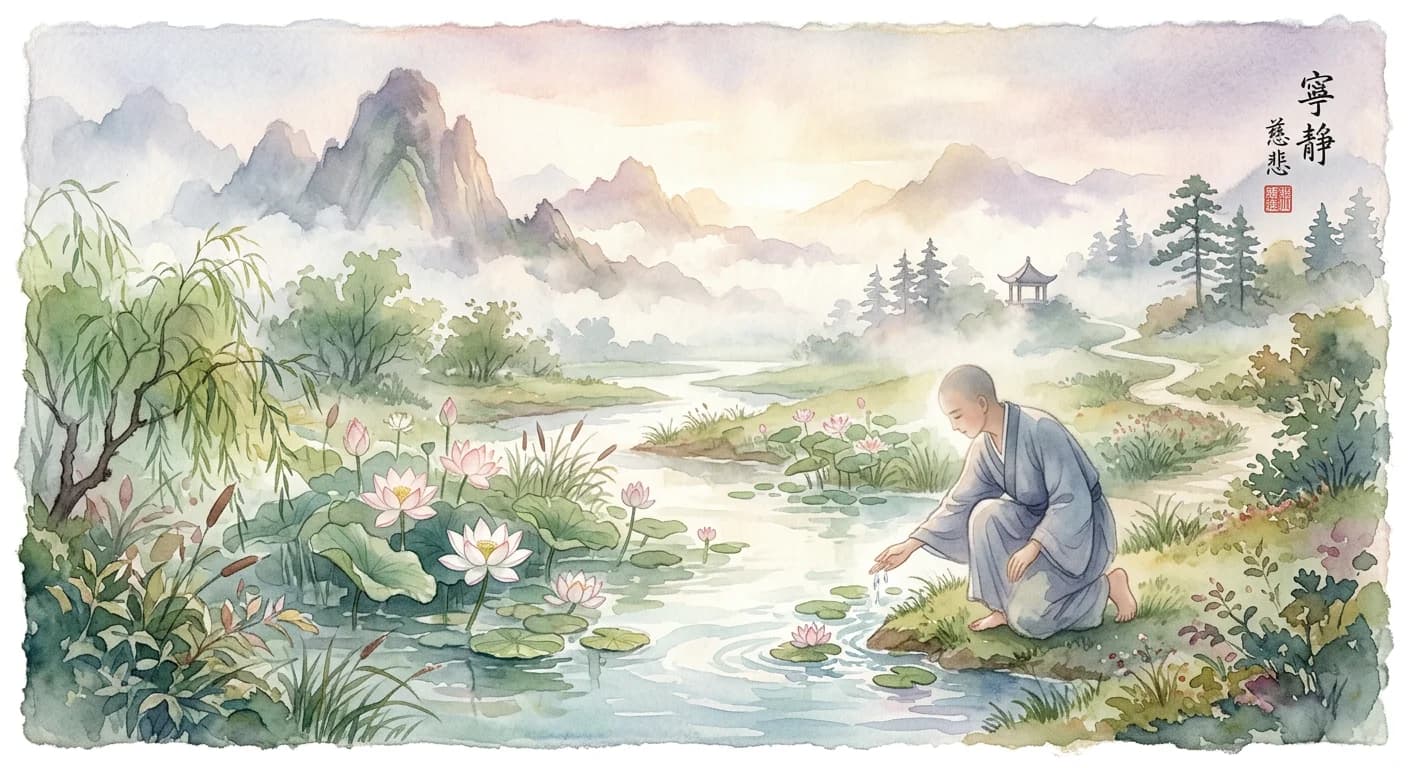
    Artistic representation of thukje
    Tibetan•
    🇨🇳China

    Thukje

    /THUK-chay/

    Meaning

    Thukje is a profound Tibetan term embodying an active, empathetic compassion that transcends mere kindness. It signifies a deep-seated urge to alleviate the suffering of all sentient beings, driven by a selfless grace and an understanding of universal interconnectedness. More than an emotion, it is a living practice, a fundamental way of engaging with the world that prioritizes the welfare of others above one's own. This core tenet of Tibetan Buddhism mandates a responsibility to extend loving-kindness to everyone, regardless of their actions or perceived merit.

    Literal Translation

    compassion, kindness

    The Story Behind the Word

    In Tibetan culture, 'thukje' is the very bedrock of their spiritual and social fabric, deeply rooted in Buddhist philosophy, particularly the Mahayana tradition. It reflects the belief that all beings have been interconnected through countless rebirths, making every individual akin to a mother or father figure in previous lives. This profound sense of shared existence fuels the imperative to act with limitless compassion. The Dalai Lama frequently speaks of 'thukje' as the essence of humanity, emphasizing its practical application in fostering peace and understanding. It’s not just an ideal; it's a daily ethical compass that shapes interactions, from community support to political leadership, revealing a worldview where individual well-being is inextricably linked to the well-being of all.

    Experience It

    Supporting a Stranger

    During a harsh winter, an elderly woman found herself without adequate shelter. A young monk, seeing her plight, didn't just offer food; he tirelessly rallied the community to build her a small, warm dwelling, embodying thukje through his persistent and selfless action.

    Forgiving an Offender

    A family suffered a great loss due to the actions of another. Instead of seeking retribution, they chose to pray for the well-being of the perpetrator, understanding that their suffering also stemmed from ignorance and delusion. This act of profound, unconditional forgiveness was seen as true thukje.

    The Deeper Meaning

    Thukje reveals a worldview where suffering is not an isolated phenomenon but an interconnected experience, demanding an active, selfless response. It underscores the Buddhist principle of 'dependent origination,' where nothing exists independently, and therefore, one's own liberation is bound up with the liberation of all beings. This philosophy cultivates a radical empathy and an ethical framework centered on universal responsibility and altruism.

    Did You Know?

    The Tibetan word for the Dalai Lama, 'Kundun,' means 'The Presence,' and he is often referred to as 'Chenrezig,' the Buddha of Compassion, directly linking his spiritual role to thukje.

    How It's Used

    Used to describe an act of compassion, a benevolent gesture, or the general quality of having a compassionate heart. It is often invoked in religious contexts but also in everyday interactions to acknowledge kindness.

    Emotions
    compassion,gratitude,love,peace
    Contexts
    family,friendship,greeting
    🇨🇳China

    by Kwame Nkrumah·Written Mar 10, 2026·Updated Apr 3, 2026

    Related Words

    Explore more
    Dolce far nienteItalian

    Dolce far niente captures the profound joy and effortless pleasure derived from simply existing without obligation or purpose. It's the art of savoring moments of pure, unadulterated idleness – lying in the sun, watching the clouds drift, or enjoying a leisurely coffee – not as a break from work, but as a valuable state in itself. This 'sweetness of doing nothing' is a conscious embrace of stillness and contentment, allowing the soul to breathe and the senses to fully engage with the present.

    Wabi-sabiJapanese

    Wabi-sabi is the profound appreciation for the ephemeral, the imperfect, and the incomplete aspects of existence. It is about discovering beauty in the subtle textures of age, the unique character of flaws, and the gentle decay that marks the passage of time. This philosophy encourages a quiet acceptance of impermanence and a mindful connection to the natural world, finding elegance in simplicity and authenticity.

    IkigaiJapanese

    Ikigai is more than just a reason to get out of bed; it's a deeply personal and evolving sense of purpose that brings genuine fulfillment and joy to one's life. It represents the sweet spot where your passions, talents, needs of the world, and what you can be paid for beautifully converge. Discovering your ikigai often leads to a life lived with intentionality, resilience, and a profound connection to one's contributions. It's the intrinsic motivation that fuels a meaningful existence, regardless of external circumstances.

    NunchiKorean

    Nunchi is the sophisticated, almost telepathic, ability to instantly grasp the unspoken dynamics of any social situation, anticipating others' thoughts and feelings, and then responding with impeccable grace and timing. It's an acute form of social intuition, allowing one to navigate complex interpersonal landscapes by reading subtle cues like body language, tone, and context. Possessing good nunchi means effortlessly understanding the underlying emotional currents and adjusting one's behavior to maintain harmony and effectiveness, often without a single word exchanged.