U.
HomeRegionsLanguagesEmotionsCollections
Find Your Word

“The limits of my language mean the limits of my world.”

— Ludwig Wittgenstein, Philosopher

Untranslatable

A curated collection of the world's most beautiful expressions—words that remind us language is humanity's greatest invention.

  • Home
  • Collections
  • Regions
  • Countries
  • Emotions
  • Tags
  • Contexts
  • Finder
  • Europe
  • Asia
  • Americas
  • Africa
  • Middle East
  • About
  • Contact
  • Privacy Policy
  • Terms of Service

2026 © Untranslatable. All rights reserved.

    /
    /
    1. Home
    2. /
    3. Asia
    4. /
    5. Rangzen
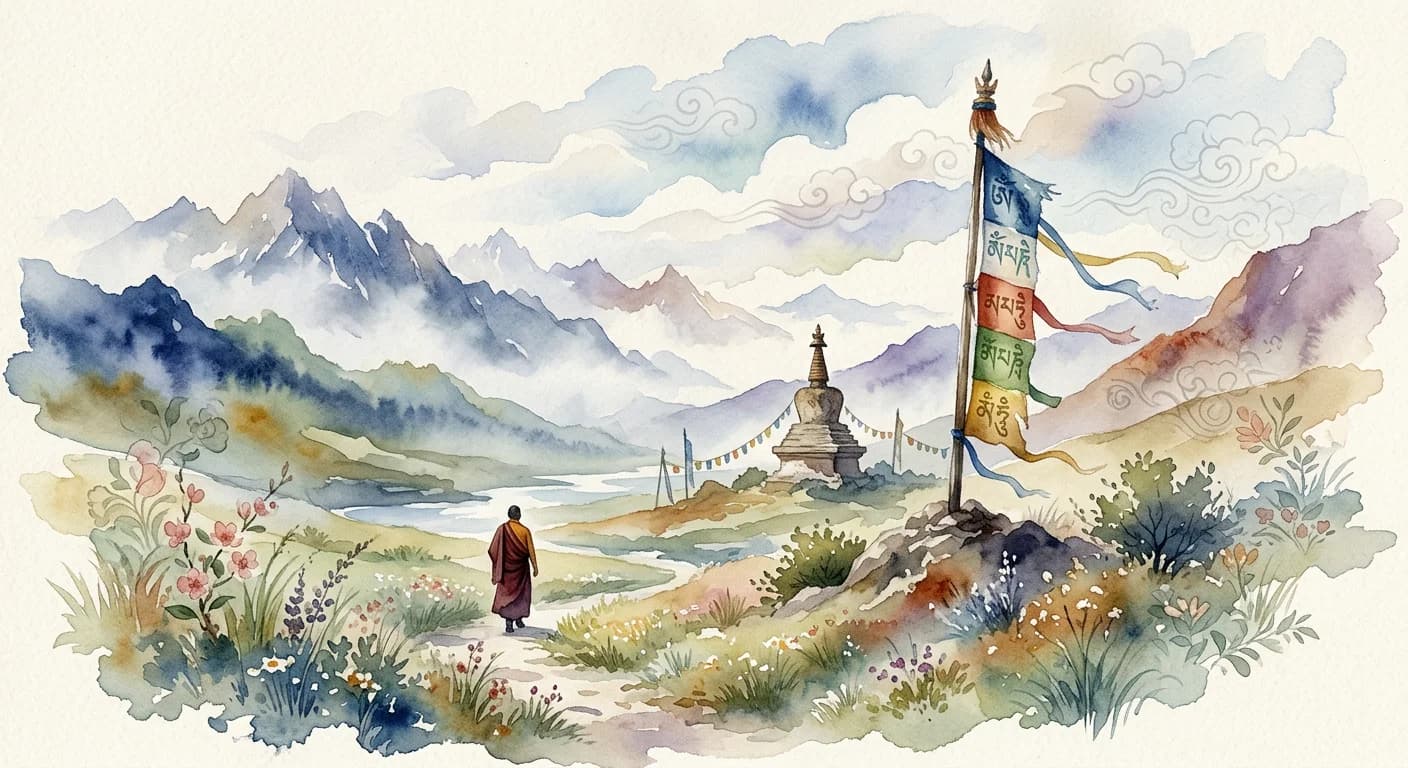
    Artistic representation of rangzen
    Tibetan•
    🇨🇳China

    Rangzen

    /RAHNG-dzuhn/

    Meaning

    Rangzen transcends a simple political demand; it is the spiritual and cultural yearning for Tibet to exist as a sovereign entity, where its unique Buddhist traditions, language, and way of life can flourish unhindered. It embodies the profound desire for self-determination, rooted in a deep sense of inherent national dignity and the right to freely shape one's own future. This aspiration is a powerful force, reflecting centuries of distinct identity and a resilient hope for authentic cultural preservation and political freedom.

    Literal Translation

    Self-rule, independence

    The Story Behind the Word

    The concept of "rangzen" is deeply interwoven with Tibet's history as an independent nation prior to the mid-20th century, and the subsequent occupation by China. For centuries, Tibet developed a unique socio-political system centered around Tibetan Buddhism, with the Dalai Lamas serving as both spiritual and temporal leaders. This historical autonomy fostered a strong sense of distinct national identity. The Chinese invasion and annexation in 1950-51, followed by decades of political repression, cultural destruction, and human rights abuses, galvanized the aspiration for rangzen. The word embodies the collective memory of a free Tibet and the enduring struggle to reclaim that freedom, not just politically, but as a means to protect and revitalize a threatened culture and spiritual heritage. It reveals a worldview where national identity, spirituality, and political freedom are inseparable.

    Experience It

    Diaspora's Plea

    At a rally in Dharamshala, a young Tibetan, born in exile, passionately addresses the crowd. 'We carry the spirit of rangzen in our hearts,' she proclaims, 'a promise to our ancestors and a beacon for our children, that one day our land will be free, and our culture will thrive without fear.'

    Whispers of Hope

    Inside Tibet, an elderly monk meticulously paints a thangka, his brush strokes imbued with quiet devotion. He gazes at the distant mountains, a silent prayer for rangzen on his lips, a yearning for the day when the Dharma can be openly practiced and taught, free from external interference.

    The Deeper Meaning

    Rangzen reflects a profound philosophical stance that a people's spiritual and cultural identity is intrinsically linked to their political sovereignty. It suggests that true flourishing – of traditions, beliefs, and human dignity – is only possible when a nation can determine its own destiny. This worldview prioritizes collective self-determination as a fundamental human right, essential for the preservation of unique cultural ecosystems.

    Did You Know?

    The phrase 'Rangzen' became a prominent slogan and rallying cry for the Tibetan independence movement, especially following the 1959 uprising and the subsequent exile of the Dalai Lama.

    How It's Used

    Used to express the desire for and the state of Tibetan self-determination and independence.

    Emotions
    belonging,hope,longing,peace
    Contexts
    cultural identity,politics,work
    🇨🇳China

    by Dr. Kenji Tanaka·Written Mar 10, 2026·Updated Apr 3, 2026

    Related Words

    Explore more
    Dolce far nienteItalian

    Dolce far niente captures the profound joy and effortless pleasure derived from simply existing without obligation or purpose. It's the art of savoring moments of pure, unadulterated idleness – lying in the sun, watching the clouds drift, or enjoying a leisurely coffee – not as a break from work, but as a valuable state in itself. This 'sweetness of doing nothing' is a conscious embrace of stillness and contentment, allowing the soul to breathe and the senses to fully engage with the present.

    SobremesaSpanish

    Sobremesa is the cherished, often extended period immediately following a meal, particularly lunch or dinner, where diners remain seated at the table to enjoy conversation, coffee, and digest not just the food, but the company itself. It’s a dedicated time for unhurried social bonding, storytelling, and shared laughter, transforming a simple meal into a profound communal experience. Far from just clearing the dishes, sobremesa is an integral part of Spanish social life, often lasting for hours.

    Wabi-sabiJapanese

    Wabi-sabi is the profound appreciation for the ephemeral, the imperfect, and the incomplete aspects of existence. It is about discovering beauty in the subtle textures of age, the unique character of flaws, and the gentle decay that marks the passage of time. This philosophy encourages a quiet acceptance of impermanence and a mindful connection to the natural world, finding elegance in simplicity and authenticity.

    IkigaiJapanese

    Ikigai is more than just a reason to get out of bed; it's a deeply personal and evolving sense of purpose that brings genuine fulfillment and joy to one's life. It represents the sweet spot where your passions, talents, needs of the world, and what you can be paid for beautifully converge. Discovering your ikigai often leads to a life lived with intentionality, resilience, and a profound connection to one's contributions. It's the intrinsic motivation that fuels a meaningful existence, regardless of external circumstances.