U.
HomeRegionsLanguagesEmotionsCollections
Find Your Word

“The limits of my language mean the limits of my world.”

— Ludwig Wittgenstein, Philosopher

Untranslatable

A curated collection of the world's most beautiful expressions—words that remind us language is humanity's greatest invention.

  • Home
  • Collections
  • Regions
  • Countries
  • Emotions
  • Tags
  • Contexts
  • Finder
  • Europe
  • Asia
  • Americas
  • Africa
  • Middle East
  • About
  • Contact
  • Privacy Policy
  • Terms of Service

2026 © Untranslatable. All rights reserved.

    /
    /
    1. Home
    2. /
    3. Asia
    4. /
    5. Nyam-chung
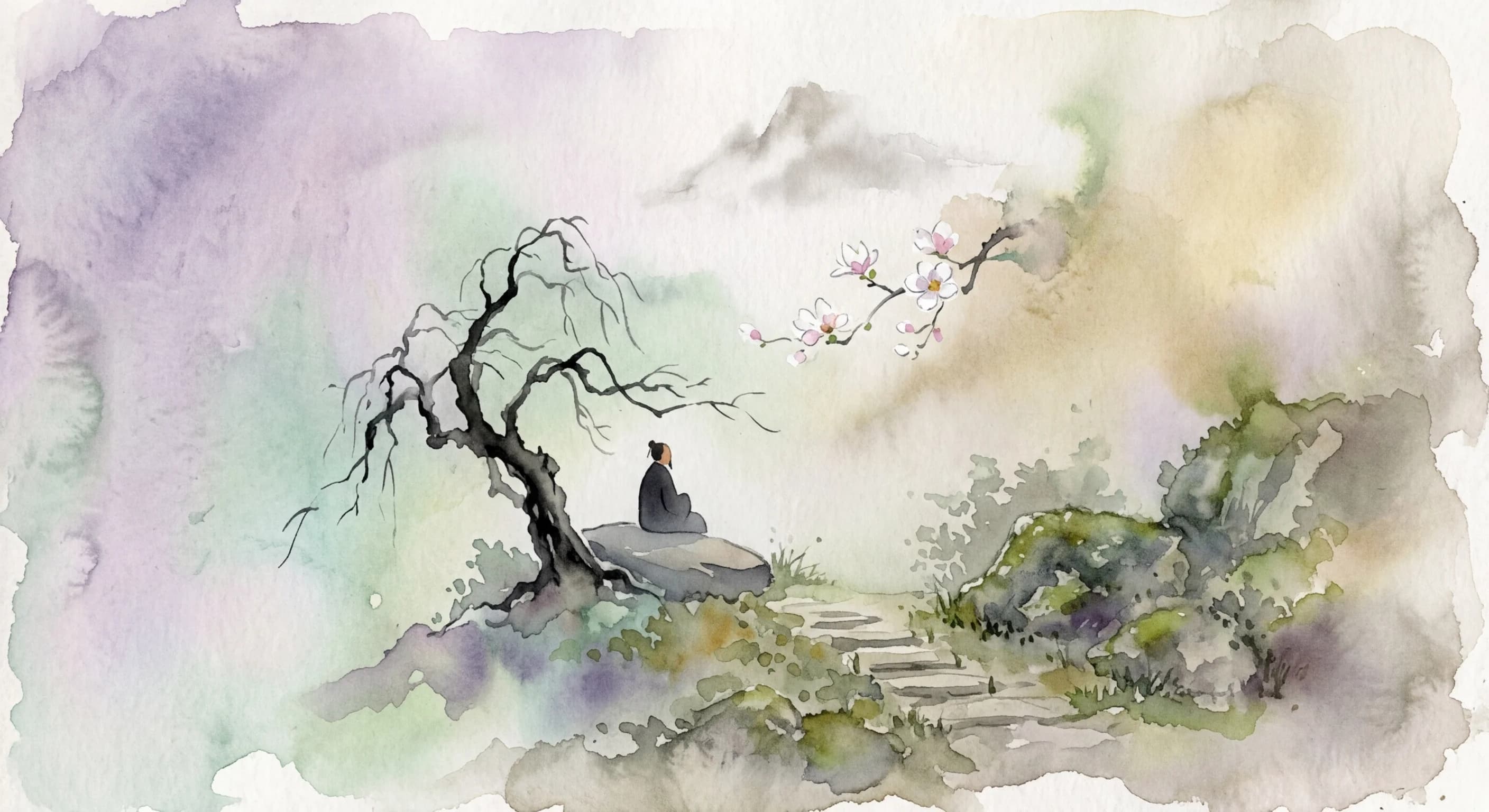
    Artistic representation of nyam-chung
    Tibetan•
    🇨🇳China

    Nyam-chung

    /nyam-chung/

    Meaning

    Nyam-chung describes a profound spiritual or existential loneliness, not merely sadness, but a heightened awareness of one's solitary consciousness amidst the boundless expanse of existence. It's a feeling born from confronting the impermanence of all phenomena and the inherent separateness of individual being. This state can be both disquieting and profoundly liberating, offering a unique pathway to understanding the human condition and the search for ultimate meaning beyond transient connections.

    Literal Translation

    The exact literal translation is complex, but 'nyam' can relate to feeling or experience, and 'chung' to small or little. Thus, it implies a 'small experience' or 'feeling of being small' in a profound, existential sense.

    The Story Behind the Word

    The existence of 'nyam-chung' in Tibetan culture is deeply rooted in Vajrayana Buddhism, which emphasizes introspection, meditation, and the direct experience of reality. The concept reflects a worldview where suffering (dukkha) is understood not just as physical pain, but as an inherent part of existence due to impermanence and non-self. Tibetan spiritual practices, particularly those involving solitary retreats and extensive contemplation, are designed to bring practitioners face-to-face with these profound truths. Nyam-chung, therefore, isn't something to be avoided, but a significant, often necessary, stage in understanding emptiness (shunyata) and achieving enlightenment. It reveals a culture that values profound self-inquiry and sees existential solitude not as a flaw, but as a crucible for spiritual growth and liberation.

    Experience It

    Monk's Mountain Retreat

    After weeks of solitary meditation in a remote cave, the young monk felt a profound nyam-chung. He was utterly alone, yet in that vast silence, he perceived the interconnectedness of all things while simultaneously feeling the distinct, singular pulse of his own consciousness, a feeling both daunting and deeply insightful.

    Elder's Contemplation

    Gazing at the endless starry sky, the elder felt a familiar nyam-chung. She reflected on the countless generations that had passed and her own finite existence, a poignant awareness of her smallness in the cosmos, yet also a sense of profound peace in that universal truth.

    The Deeper Meaning

    This word encapsulates the Buddhist teaching of anatta (non-self) and anicca (impermanence). It highlights that true understanding often requires confronting the illusion of a permanent, independent self and the transient nature of all phenomena, leading to an existential solitude that can be a catalyst for liberation from attachment and suffering.

    Did You Know?

    Nyam-chung is often considered a sign of progress in advanced meditation, indicating a deep engagement with the nature of reality rather than a personal failing.

    How It's Used

    Used to describe a specific type of spiritual or existential loneliness, often encountered during periods of deep introspection, meditation, or when contemplating the nature of reality and one's place within it.

    Emotions
    longing,melancholy,peace,wonder
    Contexts
    relaxation,solitude,travel
    🇨🇳China

    by Dr. Kenji Tanaka·Written Mar 10, 2026·Updated Apr 3, 2026

    Related Words

    Explore more
    SaudadePortuguese

    Saudade encapsulates a profound, melancholic longing for something or someone cherished that is absent, often with the bittersweet knowledge that it may never return. It's a deep emotional state tinged with nostalgia, evoking a sense of loss for past experiences, places, or people, yet also holding a tender appreciation for the beauty of what once was. This yearning is not merely sadness, but a complex tapestry of desire, memory, and a poignant acceptance of absence, holding the beloved in a warm, persistent embrace within the heart.

    Dolce far nienteItalian

    Dolce far niente captures the profound joy and effortless pleasure derived from simply existing without obligation or purpose. It's the art of savoring moments of pure, unadulterated idleness – lying in the sun, watching the clouds drift, or enjoying a leisurely coffee – not as a break from work, but as a valuable state in itself. This 'sweetness of doing nothing' is a conscious embrace of stillness and contentment, allowing the soul to breathe and the senses to fully engage with the present.

    Wabi-sabiJapanese

    Wabi-sabi is the profound appreciation for the ephemeral, the imperfect, and the incomplete aspects of existence. It is about discovering beauty in the subtle textures of age, the unique character of flaws, and the gentle decay that marks the passage of time. This philosophy encourages a quiet acceptance of impermanence and a mindful connection to the natural world, finding elegance in simplicity and authenticity.

    IkigaiJapanese

    Ikigai is more than just a reason to get out of bed; it's a deeply personal and evolving sense of purpose that brings genuine fulfillment and joy to one's life. It represents the sweet spot where your passions, talents, needs of the world, and what you can be paid for beautifully converge. Discovering your ikigai often leads to a life lived with intentionality, resilience, and a profound connection to one's contributions. It's the intrinsic motivation that fuels a meaningful existence, regardless of external circumstances.