U.
HomeRegionsLanguagesEmotionsCollections
Find Your Word

“The limits of my language mean the limits of my world.”

— Ludwig Wittgenstein, Philosopher

Untranslatable

A curated collection of the world's most beautiful expressions—words that remind us language is humanity's greatest invention.

  • Home
  • Collections
  • Regions
  • Countries
  • Emotions
  • Tags
  • Contexts
  • Finder
  • Europe
  • Asia
  • Americas
  • Africa
  • Middle East
  • About
  • Contact
  • Privacy Policy
  • Terms of Service

2026 © Untranslatable. All rights reserved.

    /
    /
    1. Home
    2. /
    3. Asia
    4. /
    5. Dug-pa
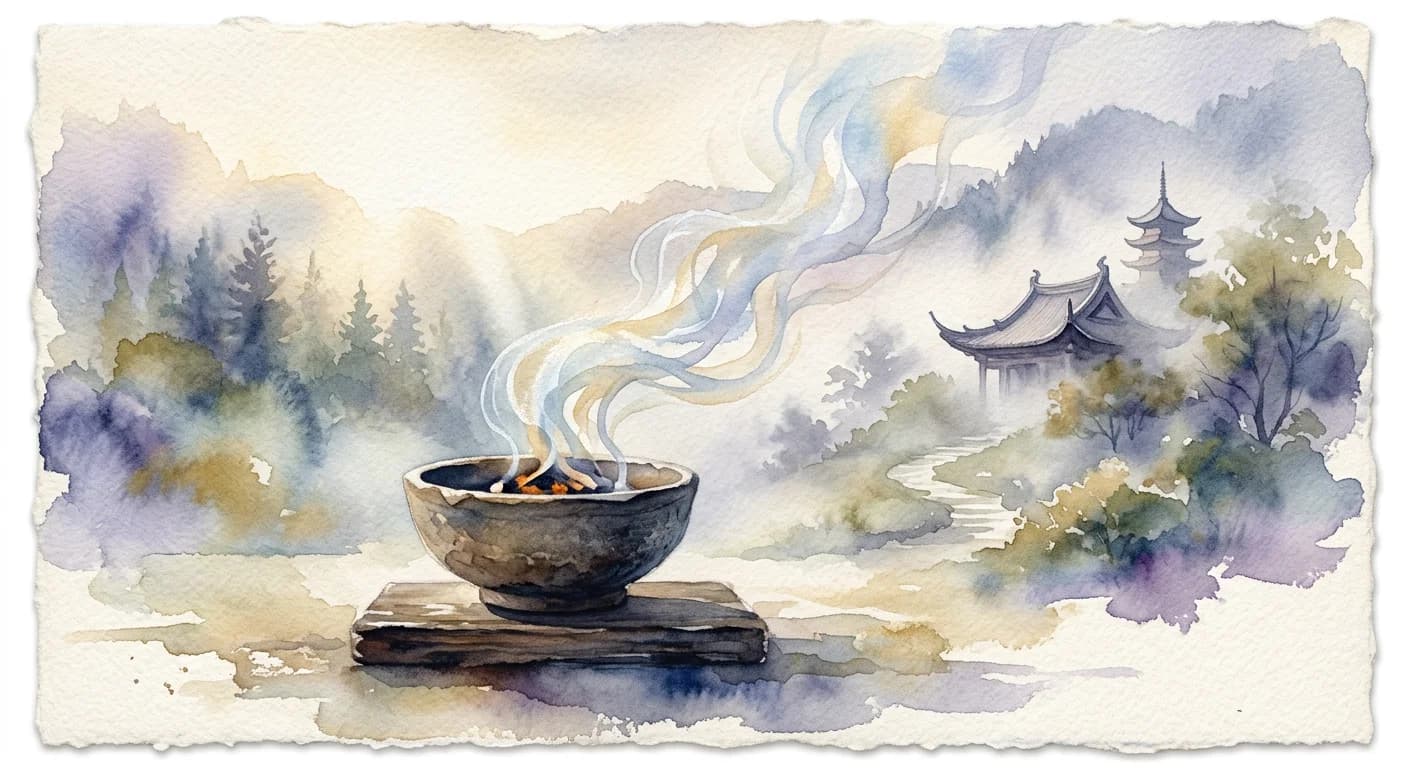
    Artistic representation of dug-pa
    Tibetan•
    🇨🇳China

    Dug-pa

    /DOOK-pah/

    Meaning

    Dug-pa transcends a simple act of burning; it is a profound Tibetan ritual offering, often featuring the fragrant smoke of juniper and other sacred herbs. This symbolic act purifies spaces, appeases spiritual entities, and invites auspicious blessings. The ascending smoke is believed to carry prayers and intentions directly to the divine realms, creating a consecrated atmosphere essential for meditation, ceremonies, or simply bringing serenity and harmony to a home.

    Literal Translation

    burning (of incense/herbs)

    The Story Behind the Word

    Dug-pa is deeply embedded in the spiritual fabric of Tibetan culture, blending ancient Bön (shamanistic) traditions with Buddhist practices. It reflects a worldview where the visible and invisible realms are intricately connected, and human actions can influence spiritual forces. The existence of 'dug-pa' reveals a society that views purification not just physically, but energetically and spiritually, as fundamental to well-being and maintaining cosmic balance. It underscores the belief that intentional acts, communicated through sacred smoke, can bridge the gap between the human and divine, ensuring protection, prosperity, and spiritual clarity. This practice is a daily reminder of interconnectedness and the sacredness of all life.

    Experience It

    Morning Offering

    As the sun crested the Himalayas, Ama-la stepped onto her rooftop, a small bundle of juniper in hand. Performing dug-pa, she watched the fragrant smoke curl upwards, carrying her prayers for her family's health and the peace of all sentient beings into the crisp morning air.

    Blessing a New Home

    Before moving into their new dwelling, Tenzin and Pema invited a lama to perform dug-pa. The cleansing smoke permeated every room, dispelling any lingering negative energies and consecrating the space for a future filled with happiness and spiritual growth.

    The Deeper Meaning

    Dug-pa embodies the Tibetan Buddhist principle of interconnectedness and the power of intention. It reflects a philosophy where material actions, imbued with spiritual purpose, have tangible effects on both physical and energetic planes. The act underscores the belief in the transformative power of ritual to purify, protect, and align oneself with higher spiritual energies, fostering a sense of harmony between humanity and the cosmos.

    Did You Know?

    Juniper, a common herb in dug-pa, is considered highly sacred in Tibetan tradition, believed to possess powerful purifying properties that can ward off evil spirits and attract benevolent deities.

    How It's Used

    Used to describe the act of performing a purification ritual with incense, especially juniper, in Tibetan culture. It is performed for spiritual cleansing, to ward off negative influences, or to create a sacred atmosphere for prayer and meditation.

    Emotions
    gratitude,peace,serenity
    Contexts
    celebration,nature,relaxation,religion
    🇨🇳China

    by Annelise Dubois·Written Mar 10, 2026·Updated Apr 3, 2026

    Related Words

    Explore more
    Dolce far nienteItalian

    Dolce far niente captures the profound joy and effortless pleasure derived from simply existing without obligation or purpose. It's the art of savoring moments of pure, unadulterated idleness – lying in the sun, watching the clouds drift, or enjoying a leisurely coffee – not as a break from work, but as a valuable state in itself. This 'sweetness of doing nothing' is a conscious embrace of stillness and contentment, allowing the soul to breathe and the senses to fully engage with the present.

    Wabi-sabiJapanese

    Wabi-sabi is the profound appreciation for the ephemeral, the imperfect, and the incomplete aspects of existence. It is about discovering beauty in the subtle textures of age, the unique character of flaws, and the gentle decay that marks the passage of time. This philosophy encourages a quiet acceptance of impermanence and a mindful connection to the natural world, finding elegance in simplicity and authenticity.

    IkigaiJapanese

    Ikigai is more than just a reason to get out of bed; it's a deeply personal and evolving sense of purpose that brings genuine fulfillment and joy to one's life. It represents the sweet spot where your passions, talents, needs of the world, and what you can be paid for beautifully converge. Discovering your ikigai often leads to a life lived with intentionality, resilience, and a profound connection to one's contributions. It's the intrinsic motivation that fuels a meaningful existence, regardless of external circumstances.

    NunchiKorean

    Nunchi is the sophisticated, almost telepathic, ability to instantly grasp the unspoken dynamics of any social situation, anticipating others' thoughts and feelings, and then responding with impeccable grace and timing. It's an acute form of social intuition, allowing one to navigate complex interpersonal landscapes by reading subtle cues like body language, tone, and context. Possessing good nunchi means effortlessly understanding the underlying emotional currents and adjusting one's behavior to maintain harmony and effectiveness, often without a single word exchanged.