U.
HomeRegionsLanguagesEmotionsCollections
Find Your Word

“The limits of my language mean the limits of my world.”

— Ludwig Wittgenstein, Philosopher

Untranslatable

A curated collection of the world's most beautiful expressions—words that remind us language is humanity's greatest invention.

  • Home
  • Collections
  • Regions
  • Countries
  • Emotions
  • Tags
  • Contexts
  • Finder
  • Europe
  • Asia
  • Americas
  • Africa
  • Middle East
  • About
  • Contact
  • Privacy Policy
  • Terms of Service

2026 © Untranslatable. All rights reserved.

    /
    /
    1. Home
    2. /
    3. Africa
    4. /
    5. Debtera
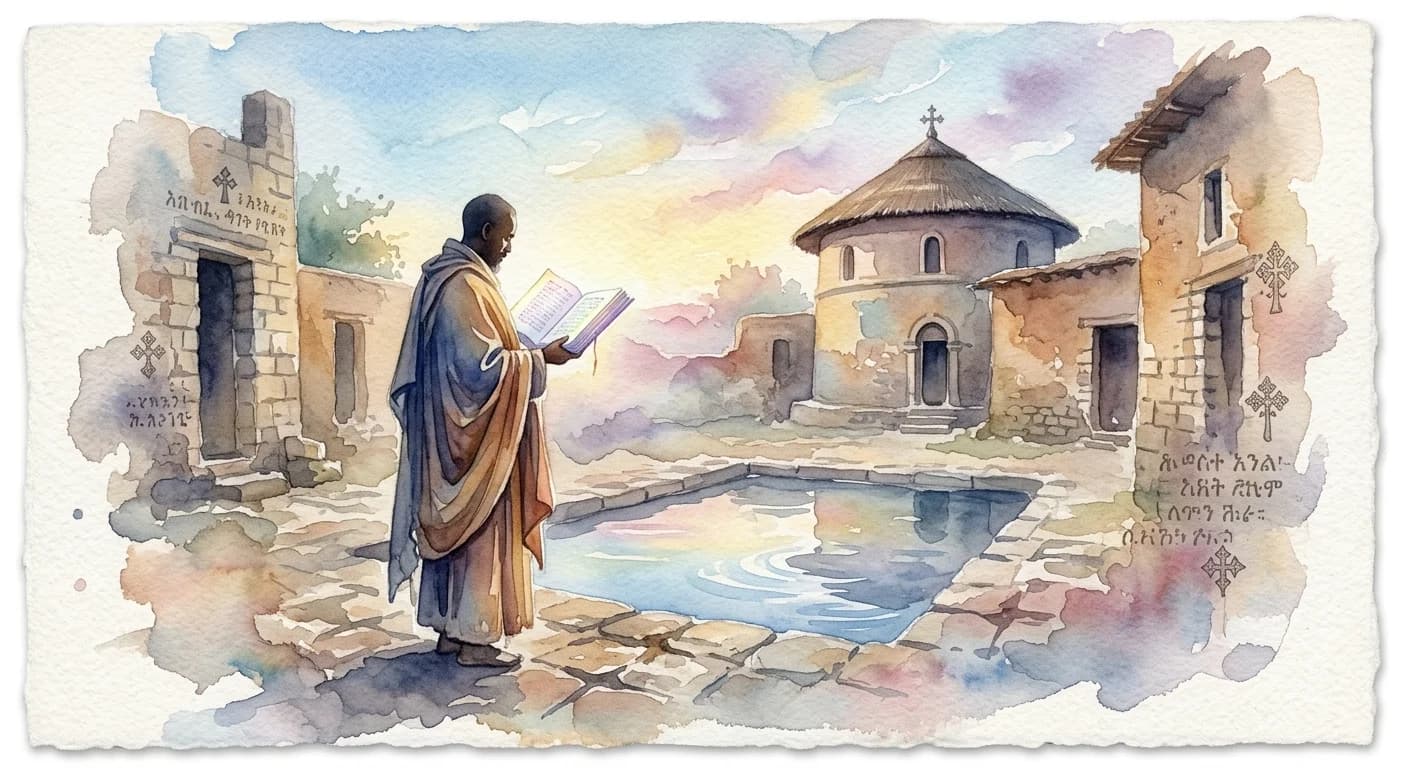
    Artistic representation of Debtera
    Amharic•
    🇪🇹Ethiopia

    Debtera

    /DEB-teh-rah/

    Meaning

    A Debtera is a hallowed figure within the Ethiopian Orthodox Tewahedo Church, a traditionally educated lay cantor and scribe whose role transcends mere performance. They are living repositories of ancient knowledge, masters of intricate liturgical chants, guardians of sacred texts meticulously hand-copied, and often composers of religious poetry. Embodying a profound spiritual authority, the Debtera serves as a vital conduit between the divine mysteries and the devout community, ensuring the continuity of a rich, unbroken tradition.

    Literal Translation

    Often translated as 'scribe' or 'cantor', but the full meaning encompasses more.

    The Story Behind the Word

    The existence of the Debtera is deeply rooted in Ethiopia's unique ecclesiastical history and its unwavering commitment to preserving its ancient Christian heritage. Unlike Western traditions where clergy primarily perform liturgical roles, the Debtera represents a specialized lay intellectual class, reflecting a societal value placed on erudition, oral tradition, and artistic expression in worship. Their enduring presence reveals a worldview where spiritual understanding is intertwined with meticulous scholarship, musicality, and a deep reverence for ancestral wisdom. They are not merely performers but active participants in the spiritual health and cultural identity of the community, safeguarding centuries of theological and artistic development against the tides of time.

    Experience It

    Chanting Ancient Hymns

    During a vibrant Meskel celebration, the Debtera, adorned in traditional white garb, stands before the congregation. His voice, rich and resonant, leads the complex call-and-response chants, weaving ancient Ge'ez melodies that transport the worshippers to a profound spiritual state, connecting them to generations past.

    Preserving Sacred Texts

    In a quiet monastery scriptorium, a Debtera meticulously works on a new manuscript. With a quill pen, he carefully transcribes a passage from the Kebra Negast, his steady hand ensuring every stroke is perfect, preserving the sacred narrative for future generations as a testament to his devotion and skill.

    The Deeper Meaning

    The Debtera embodies a philosophy where spiritual truth is not solely an internal experience but is meticulously expressed and preserved through art, scholarship, and oral tradition. Their role highlights the belief that sacred knowledge demands rigorous study and disciplined artistry, emphasizing the interconnectedness of intellect, devotion, and cultural continuity in understanding the divine.

    Did You Know?

    Beyond their liturgical duties, some Debteras were historically known for their knowledge of traditional medicine and even 'magic,' a fascinating blend of spiritual and practical wisdom.

    How It's Used

    Used to refer to a member of a specific class of educated lay singers and scribes within the Ethiopian Orthodox Tewahedo Church.

    Emotions
    belonging,gratitude,peace
    Contexts
    celebration,religion,work
    🇪🇹Ethiopia

    by Kwame Nkrumah·Written Mar 10, 2026·Updated Apr 3, 2026

    Related Words

    Explore more
    Dolce far nienteItalian

    Dolce far niente captures the profound joy and effortless pleasure derived from simply existing without obligation or purpose. It's the art of savoring moments of pure, unadulterated idleness – lying in the sun, watching the clouds drift, or enjoying a leisurely coffee – not as a break from work, but as a valuable state in itself. This 'sweetness of doing nothing' is a conscious embrace of stillness and contentment, allowing the soul to breathe and the senses to fully engage with the present.

    SobremesaSpanish

    Sobremesa is the cherished, often extended period immediately following a meal, particularly lunch or dinner, where diners remain seated at the table to enjoy conversation, coffee, and digest not just the food, but the company itself. It’s a dedicated time for unhurried social bonding, storytelling, and shared laughter, transforming a simple meal into a profound communal experience. Far from just clearing the dishes, sobremesa is an integral part of Spanish social life, often lasting for hours.

    Pura vidaSpanish

    More than just 'pure life,' "Pura vida" encapsulates a profound philosophy of embracing the present moment with unwavering optimism and gratitude. It's a daily commitment to finding joy in simple pleasures, accepting life's challenges with a positive spirit, and prioritizing well-being over material possessions. This ubiquitous phrase reflects a national identity built on resilience, community, and an deep appreciation for nature's bounty.

    UbuntuZulu/Xhosa

    Ubuntu is a profound African philosophy that translates to 'I am because we are,' signifying that an individual's humanity is inextricably linked to the humanity of others. It embodies the belief that our existence and well-being are deeply intertwined with the community. This concept emphasizes compassion, reciprocity, dignity, and the understanding that true fulfillment is found not in isolation, but through collective flourishing and mutual support. It's a call to recognize and affirm the humanity in everyone, fostering a sense of interconnectedness.