U.
HomeRegionsLanguagesEmotionsCollections
Find Your Word

“The limits of my language mean the limits of my world.”

— Ludwig Wittgenstein, Philosopher

Untranslatable

A curated collection of the world's most beautiful expressions—words that remind us language is humanity's greatest invention.

  • Home
  • Collections
  • Regions
  • Countries
  • Emotions
  • Tags
  • Contexts
  • Finder
  • Europe
  • Asia
  • Americas
  • Africa
  • Middle East
  • About
  • Contact
  • Privacy Policy
  • Terms of Service

2026 © Untranslatable. All rights reserved.

    /
    /
    1. Home
    2. /
    3. Africa
    4. /
    5. Kishi (na mace)
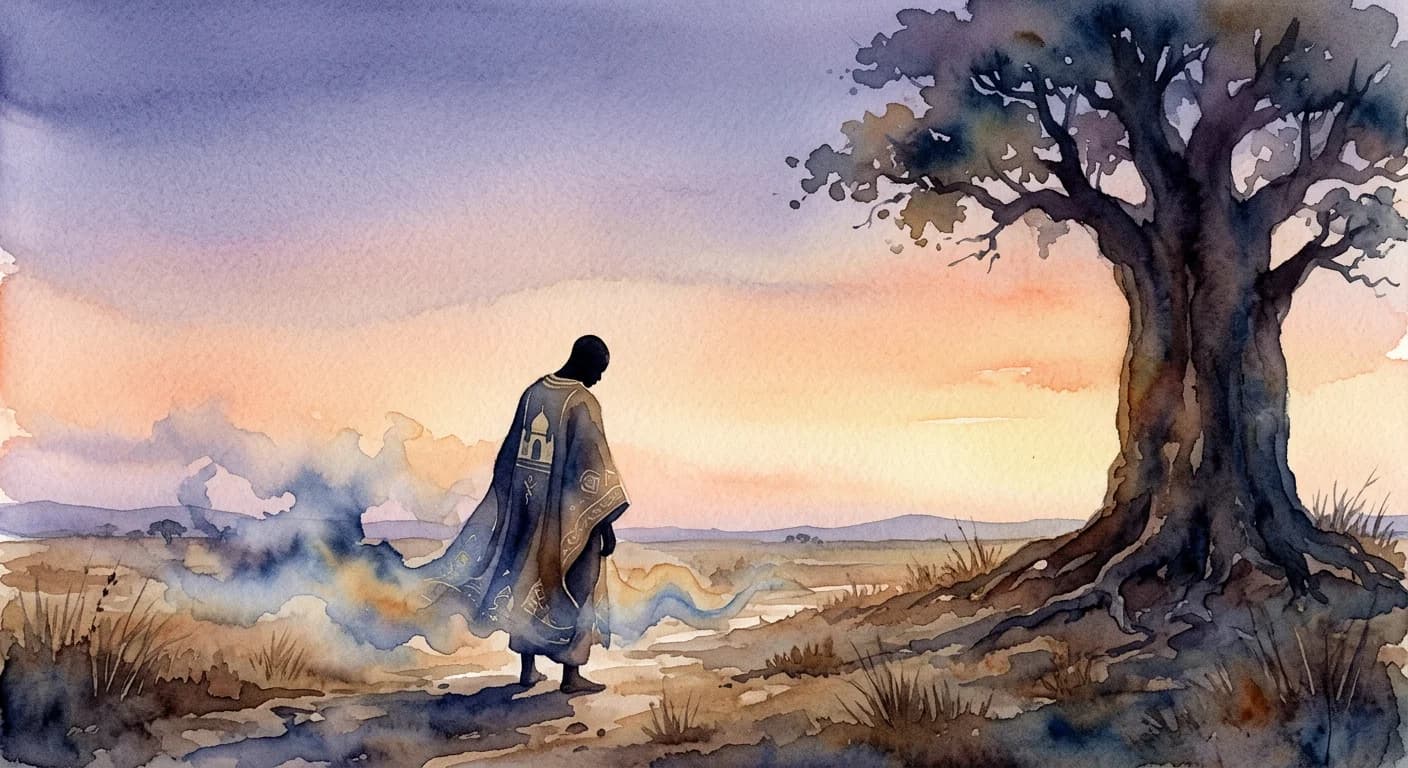
    Artistic representation of Kishi (na mace)
    Hausa•
    🇳🇪Niger🇳🇬Nigeria

    Kishi (na mace)

    /KEE-shee nah MAH-chay/

    Meaning

    This Hausa phrase, literally 'the weight of a mace,' embodies the profound and inescapable burden of leadership or significant responsibility. It speaks to the heavy, almost gravitational pull of a position of power or a critical task, demanding constant vigilance, fortitude, and a deep understanding of its far-reaching consequences. The 'mace' here symbolizes not just authority, but the solemn trust placed in an individual, implying that their actions carry an immense, non-negotiable gravity for the community they serve.

    Literal Translation

    the weight of a mace

    The Story Behind the Word

    The concept of "Kishi (na mace)" is deeply rooted in the communal and hierarchical structures prevalent in traditional Hausa society, where leadership, whether of a family, village, or kingdom, is not merely a privilege but a sacred trust. Historically, the mace (or a similar staff of office) was a tangible symbol of a leader's authority, often passed down through generations, signifying continuity and the enduring nature of responsibility. This phrase reflects a worldview where individual actions, especially those of a leader, ripple through the entire community. It emphasizes that those in power are custodians, not owners, of their authority, and their decisions must always prioritize the collective well-being. The weight isn't just physical, but a moral and spiritual burden, constantly reminding the leader of their accountability to their ancestors, their people, and often, to a divine power.

    Experience It

    Village Elder's Dilemma

    Facing a drought, the village elder pondered the desperate pleas for water. He felt the 'kishi na mace' acutely, knowing his decision would determine the survival of his people, a burden far heavier than any crown.

    Judge's Solemn Verdict

    As the judge prepared to deliver a life-altering sentence, the gravity of his role settled upon him. He understood the 'kishi na mace,' recognizing that his judgment carried immense weight for both the accused and the community.

    The Deeper Meaning

    This phrase encapsulates a profound philosophy of leadership as service and sacrifice. It posits that true authority comes with an inherent, unshakeable burden, compelling leaders to act with integrity, wisdom, and an unwavering commitment to the greater good. It challenges the notion of power as personal gain, instead framing it as a sacred trust that demands constant self-awareness and accountability, ultimately shaping a society where leadership is viewed with solemn respect and expectation.

    Did You Know?

    The 'mace' in this context is not just a weapon, but traditionally a ceremonial staff, symbolizing the unyielding authority and the heavy responsibility of office.

    How It's Used

    Used to describe the weighty responsibilities of a leader, elder, or someone in a position of significant authority, emphasizing the seriousness and inescapable nature of their duties.

    Contexts
    leadership,politics,work
    🇳🇪Niger🇳🇬Nigeria

    by Kwame Nkrumah·Written Mar 10, 2026·Updated Apr 3, 2026

    Related Words

    Explore more
    UbuntuZulu/Xhosa

    Ubuntu is a profound African philosophy that translates to 'I am because we are,' signifying that an individual's humanity is inextricably linked to the humanity of others. It embodies the belief that our existence and well-being are deeply intertwined with the community. This concept emphasizes compassion, reciprocity, dignity, and the understanding that true fulfillment is found not in isolation, but through collective flourishing and mutual support. It's a call to recognize and affirm the humanity in everyone, fostering a sense of interconnectedness.

    VoetstootsAfrikaans

    Voetstoots encapsulates the unvarnished truth of a transaction: accepting an item, typically property or a vehicle, precisely as it stands, with all its inherent imperfections, visible or hidden. It's a declaration that the buyer embraces the full spectrum of risk, relying solely on their own assessment and a handshake-level understanding, freeing the seller from future liability. This term doesn't just describe a legal clause; it embodies a pragmatic relinquishment of recourse, placing the onus squarely on the purchaser to exercise ultimate due diligence or simply accept fate.

    Lui lekkerAfrikaans

    “Lui lekker” transcends simple enjoyment, embodying a profound, almost visceral contentment that resonates deeply within one's being. It signifies a moment where sensory input—be it taste, sight, sound, or touch—aligns perfectly to create a holistic sense of well-being and satisfaction. This phrase captures an authentic, unadulterated pleasure, suggesting a state of perfect ease where one is utterly delighted and at peace with the experience. It's the feeling of everything being just right, reaching a peak of pleasantness.

    UbuntuZulu

    Ubuntu is a profound Nguni Bantu philosophy asserting that our humanity is inextricably woven into the fabric of our relationships with others. It champions the radical idea that 'I am because we are,' emphasizing that a person's well-being and identity are affirmed through community, compassion, and collective flourishing. Far more than just empathy, it's a call to active participation in building a harmonious society, where generosity, kindness, and mutual respect are not merely virtues but the very essence of existence.