U.
HomeRegionsLanguagesEmotionsCollections
Find Your Word

“The limits of my language mean the limits of my world.”

— Ludwig Wittgenstein, Philosopher

Untranslatable

A curated collection of the world's most beautiful expressions—words that remind us language is humanity's greatest invention.

  • Home
  • Collections
  • Regions
  • Countries
  • Emotions
  • Tags
  • Contexts
  • Finder
  • Europe
  • Asia
  • Americas
  • Africa
  • Middle East
  • About
  • Contact
  • Privacy Policy
  • Terms of Service

2026 © Untranslatable. All rights reserved.

    /
    /
    1. Home
    2. /
    3. Africa
    4. /
    5. Hasina
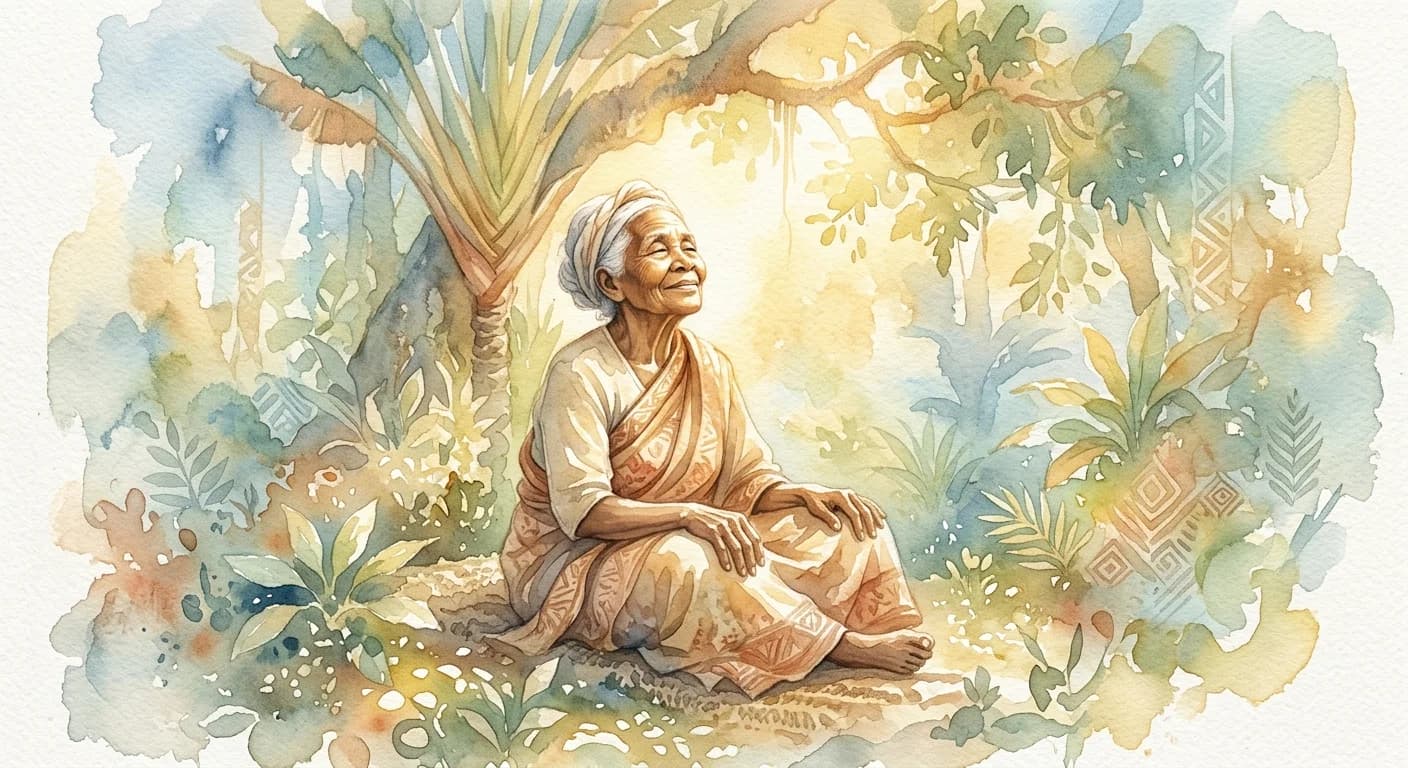
    Artistic representation of Hasina
    Malagasy•
    🇲🇬Madagascar

    Hasina

    /ha-SEE-nah/

    Meaning

    In Malagasy culture, "Hasina" embodies a profound sacred essence, a spiritual power or divine blessing that originates from revered ancestors and the divine realm. It's not merely abstract holiness, but a tangible, awe-inspiring aura of respect and reverence that imbues certain individuals, hallowed places, or significant objects. To be touched by or possess Hasina signifies a state of grace, demanding deep deferential regard and meticulous consideration, fundamental to the Malagasy worldview.

    Literal Translation

    Sacredness, spiritual power, blessing

    The Story Behind the Word

    The concept of Hasina is the bedrock of Malagasy animistic beliefs, illustrating a world where the spiritual and living realms are inextricably linked. It emerged from ancient veneration of ancestors (Razana), who are believed to transcend death and continue to influence the living, bestowing or withholding Hasina. This word reveals a cultural understanding that authority, legitimacy, and well-being are not solely derived from material wealth or physical power, but from a spiritual mandate. Rulers, elders, and sacred sites possess Hasina, making them deserving of obedience and protection. It shapes social hierarchy, ethical conduct, and even the landscape, imbuing certain natural features with spiritual significance. To act against Hasina is to invite misfortune, emphasizing a deep respect for tradition and the interconnectedness of all things.

    Experience It

    Elder's Counsel

    During a family dispute, the eldest grandmother spoke. Her words carried an undeniable weight, not just because of her age, but because of the Hasina she embodied, drawing on generations of ancestral wisdom. Everyone listened intently, knowing her guidance was blessed.

    Sacred Grove

    Villagers approached the ancient fig tree with hushed reverence, leaving small offerings at its roots. This particular grove possessed strong Hasina, a place where ancestors communed, and its sanctity demanded respect from all who entered its shade.

    The Deeper Meaning

    Hasina reveals a worldview where spiritual power is not abstract but immanent, permeating the natural world and human society. It underscores a philosophy of interconnectedness, where the well-being of the living is contingent upon respecting ancestral spirits and divine order. This concept fosters a deep sense of collective responsibility and reverence for tradition, viewing authority and grace as inherited spiritual mandates rather than purely individual achievements.

    Did You Know?

    Certain Malagasy kings were believed to possess such powerful Hasina that their very presence could influence harvests and bring prosperity, making them living embodiments of divine favor.

    How It's Used

    The term 'Hasina' is often used in contexts related to ancestral veneration, traditional ceremonies, and discussions of spiritual or moral authority. It can describe a person who holds a respected position, a sacred site, or even a divine gift. It signifies a deep cultural understanding of spiritual power and its influence on daily life.

    Emotions
    belonging,gratitude,peace,wonder
    Contexts
    celebration,family,greeting
    🇲🇬Madagascar

    by Dr. Kenji Tanaka·Written Mar 10, 2026·Updated Apr 3, 2026

    Related Words

    Explore more
    Dolce far nienteItalian

    Dolce far niente captures the profound joy and effortless pleasure derived from simply existing without obligation or purpose. It's the art of savoring moments of pure, unadulterated idleness – lying in the sun, watching the clouds drift, or enjoying a leisurely coffee – not as a break from work, but as a valuable state in itself. This 'sweetness of doing nothing' is a conscious embrace of stillness and contentment, allowing the soul to breathe and the senses to fully engage with the present.

    SobremesaSpanish

    Sobremesa is the cherished, often extended period immediately following a meal, particularly lunch or dinner, where diners remain seated at the table to enjoy conversation, coffee, and digest not just the food, but the company itself. It’s a dedicated time for unhurried social bonding, storytelling, and shared laughter, transforming a simple meal into a profound communal experience. Far from just clearing the dishes, sobremesa is an integral part of Spanish social life, often lasting for hours.

    Pura vidaSpanish

    More than just 'pure life,' "Pura vida" encapsulates a profound philosophy of embracing the present moment with unwavering optimism and gratitude. It's a daily commitment to finding joy in simple pleasures, accepting life's challenges with a positive spirit, and prioritizing well-being over material possessions. This ubiquitous phrase reflects a national identity built on resilience, community, and an deep appreciation for nature's bounty.

    UbuntuZulu/Xhosa

    Ubuntu is a profound African philosophy that translates to 'I am because we are,' signifying that an individual's humanity is inextricably linked to the humanity of others. It embodies the belief that our existence and well-being are deeply intertwined with the community. This concept emphasizes compassion, reciprocity, dignity, and the understanding that true fulfillment is found not in isolation, but through collective flourishing and mutual support. It's a call to recognize and affirm the humanity in everyone, fostering a sense of interconnectedness.