U.
HomeRegionsLanguagesEmotionsCollections
Find Your Word

“The limits of my language mean the limits of my world.”

— Ludwig Wittgenstein, Philosopher

Untranslatable

A curated collection of the world's most beautiful expressions—words that remind us language is humanity's greatest invention.

  • Home
  • Collections
  • Regions
  • Countries
  • Emotions
  • Tags
  • Contexts
  • Finder
  • Europe
  • Asia
  • Americas
  • Africa
  • Middle East
  • About
  • Contact
  • Privacy Policy
  • Terms of Service

2026 © Untranslatable. All rights reserved.

    /
    /
    1. Home
    2. /
    3. Middle East
    4. /
    5. Wajd
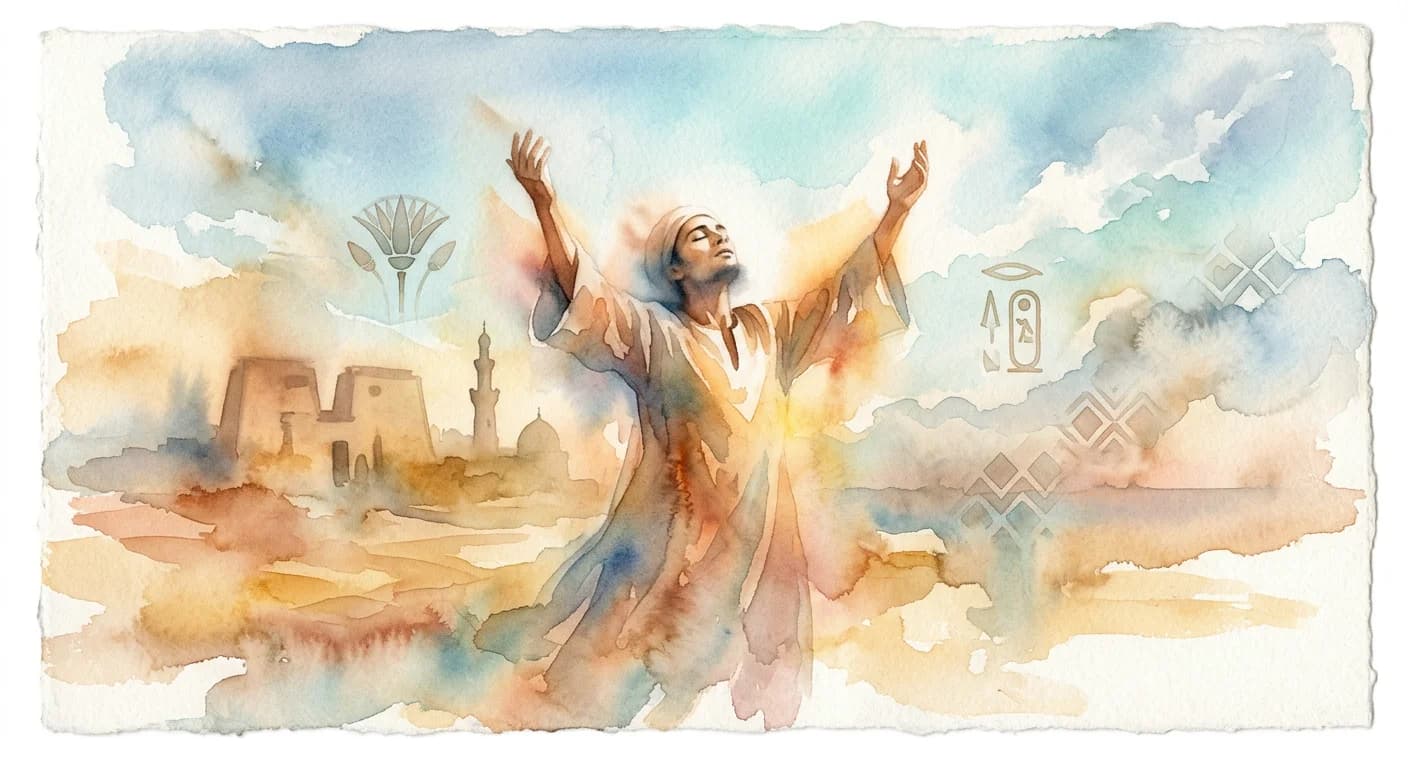
    Artistic representation of Wajd
    Arabic•
    🇩🇿Algeria🇧🇭Bahrain🇰🇲Comoros🇩🇯Djibouti🇪🇬Egypt🇮🇶Iraq🇯🇴Jordan🇰🇼Kuwait🇱🇧Lebanon🇱🇾Libya🇲🇷Mauritania🇲🇦Morocco🇴🇲Oman🇵🇸Palestine🇶🇦Qatar🇸🇦Saudi Arabia🇸🇴Somalia🇸🇩Sudan🇸🇾Syria🇹🇳Tunisia🇦🇪United Arab Emirates🇾🇪Yemen

    Wajd

    /WAJ-d/

    Meaning

    Wajd is a profound, often overwhelming state of ecstatic emotion, typically experienced within Sufi mystical traditions, where an individual transcends the mundane self to achieve an intense, direct connection with the divine. It's a spiritual rapture characterized by an all-consuming love for God, leading to a temporary loss of self-awareness and a complete absorption in the divine presence. This deep emotional and spiritual absorption can manifest physically, with expressions like weeping, trembling, or even involuntary movements, signifying an utter surrender to a love that borders on the ineffable.

    Literal Translation

    Ecstasy, rapture, intense emotion

    The Story Behind the Word

    Wajd is deeply embedded in the rich tapestry of Islamic mysticism, particularly Sufism, where it represents a pinnacle of spiritual experience. It's not merely an emotion but a divinely bestowed state, a gift from God that validates the mystic's journey of self-purification and devotion. The concept highlights the Sufi belief in the possibility of direct, unmediated communion with the divine, challenging more orthodox interpretations that emphasize strict adherence to ritual. Its existence reveals a culture that values inner spiritual states as much as outward religious practice, seeing the heart as the primary organ for knowing God. Wajd underscores the idea that divine love can be so intense it shatters the ego, leading to a profound sense of unity and dissolution of the self into the Beloved.

    Experience It

    Sufi Dhikr Ceremony

    During a vibrant dhikr ceremony, as the rhythmic chanting intensified and the prayers ascended, a dervish suddenly swayed, tears streaming down his face. He entered a state of wajd, completely lost to the world, his body trembling with the overwhelming presence of the divine, oblivious to his surroundings.

    Poetic Revelation

    Reading Rumi's poetry, a young student felt an inexplicable surge of emotion, a powerful wave of spiritual longing wash over her. She closed her eyes, a profound sense of peace mixed with ecstatic love filling her heart, experiencing a fleeting moment of wajd as the verses resonated deeply with her soul.

    The Deeper Meaning

    Wajd reveals a worldview that places immense value on experiential knowledge of the divine, suggesting that ultimate truth is not just intellectually apprehended but felt and embodied. It posits that the human heart, through disciplined spiritual practice, can become a vessel for direct divine encounter, transcending the limitations of rational thought and sensory perception to merge with the ultimate reality of God's love.

    Did You Know?

    Some Sufi orders historically permitted specific forms of music and dance (sama') precisely because they were seen as catalysts for inducing wajd, enabling a deeper connection with the divine.

    How It's Used

    Wajd is primarily used in contexts related to Sufism, poetry, and spiritual discourse to describe a state of intense spiritual ecstasy and devotional rapture.

    Emotions
    gratitude,love,peace,wonder
    Contexts
    celebration,relaxation,solitude
    🇩🇿Algeria🇧🇭Bahrain🇰🇲Comoros🇩🇯Djibouti🇪🇬Egypt🇮🇶Iraq🇯🇴Jordan🇰🇼Kuwait🇱🇧Lebanon🇱🇾Libya🇲🇷Mauritania🇲🇦Morocco🇴🇲Oman🇵🇸Palestine🇶🇦Qatar🇸🇦Saudi Arabia🇸🇴Somalia🇸🇩Sudan🇸🇾Syria🇹🇳Tunisia🇦🇪United Arab Emirates🇾🇪Yemen

    by Sofia Rossi·Written Mar 10, 2026·Updated Apr 3, 2026

    Related Words

    Explore more
    Dolce far nienteItalian

    Dolce far niente captures the profound joy and effortless pleasure derived from simply existing without obligation or purpose. It's the art of savoring moments of pure, unadulterated idleness – lying in the sun, watching the clouds drift, or enjoying a leisurely coffee – not as a break from work, but as a valuable state in itself. This 'sweetness of doing nothing' is a conscious embrace of stillness and contentment, allowing the soul to breathe and the senses to fully engage with the present.

    Pura vidaSpanish

    More than just 'pure life,' "Pura vida" encapsulates a profound philosophy of embracing the present moment with unwavering optimism and gratitude. It's a daily commitment to finding joy in simple pleasures, accepting life's challenges with a positive spirit, and prioritizing well-being over material possessions. This ubiquitous phrase reflects a national identity built on resilience, community, and an deep appreciation for nature's bounty.

    TarofPersian

    Tarof is a deeply ingrained Iranian social custom, a delicate dance of politeness and deference where individuals engage in an elaborate exchange of offers and refusals. It's a performative humility, a way of showing respect and avoiding imposing, often involving multiple cycles of insistence and polite decline before a genuine acceptance or refusal is reached. This intricate ritual governs interactions from sharing food to paying bills, creating a nuanced social ballet.

    TarabArabic

    Tarab is far more than mere enjoyment; it's a profound, almost spiritual communion with music, where the performer and audience become one in a shared emotional journey. It signifies a state of ecstatic enchantment, a deep emotional surrender that transcends the self, leading to a transformative experience. This intense connection often manifests as spontaneous vocalizations, tears, or even physical swaying, as the music penetrates the soul and evokes a powerful release of feeling. It's a moment of pure, unadulterated musical rapture.