U.
HomeRegionsLanguagesEmotionsCollections
Find Your Word

“The limits of my language mean the limits of my world.”

— Ludwig Wittgenstein, Philosopher

Untranslatable

A curated collection of the world's most beautiful expressions—words that remind us language is humanity's greatest invention.

  • Home
  • Collections
  • Regions
  • Countries
  • Emotions
  • Tags
  • Contexts
  • Finder
  • Europe
  • Asia
  • Americas
  • Africa
  • Middle East
  • About
  • Contact
  • Privacy Policy
  • Terms of Service

2026 © Untranslatable. All rights reserved.

    /
    /
    1. Home
    2. /
    3. Middle East
    4. /
    5. Haya'
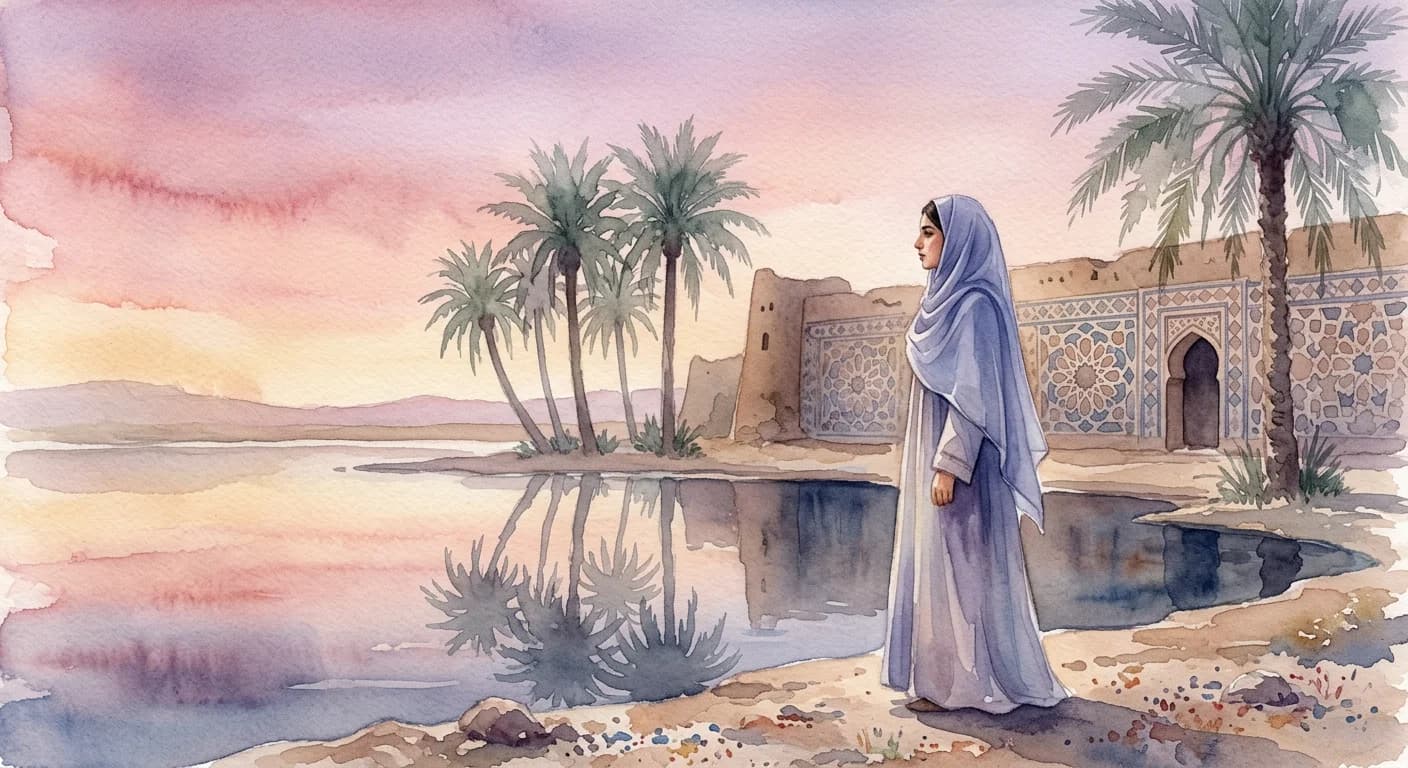
    Artistic representation of Haya'
    Arabic•
    🇧🇭Bahrain🇰🇼Kuwait🇴🇲Oman🇶🇦Qatar🇸🇦Saudi Arabia🇦🇪United Arab Emirates🇾🇪Yemen

    Haya'

    /HA-yah/

    Meaning

    Haya' is a profound inner state, encompassing a delicate blend of modesty, shyness, and a deep-seated sense of shame that acts as a moral compass. It's not merely about outward behavior, but an intrinsic commitment to virtuous conduct, safeguarding one's honor and dignity. This feeling cultivates a gentle reserve and a quiet demeanor, reflecting an inner purity and a reluctance to engage in anything that might compromise one's self-respect or social standing within the community.

    Literal Translation

    modesty, shyness, shame, bashfulness, decency, honor

    The Story Behind the Word

    Haya' is deeply embedded in the fabric of Islamic and Arab societies, tracing its roots to foundational religious texts and centuries of cultural practice. It's considered a cornerstone of a virtuous character, reflecting a belief that true strength lies in self-restraint and adherence to moral principles. The concept reveals a worldview where individual actions are intrinsically linked to community honor and where personal dignity is paramount. It emphasizes the importance of discretion, respect for boundaries, and the avoidance of ostentation, shaping social interactions, gender roles, and even architectural design to foster an environment conducive to this inherent modesty. Its omnipresence underscores a collective value placed on integrity and harmonious social order.

    Experience It

    The Modest Gaze

    During a family gathering, young Layla noticed an elder speaking. Instead of staring directly, she subtly lowered her gaze, listening attentively but avoiding prolonged eye contact. Her grandmother smiled, recognizing Layla's haya' and appreciating her respectful demeanor.

    Declining a Boast

    Ahmed had achieved significant success in his business, but when praised excessively by a colleague, he gently deflected the compliment, attributing his fortune to God's grace and hard work. His humility, born of haya', prevented him from boasting and maintained his dignified image.

    The Deeper Meaning

    Haya' reveals a philosophical outlook where human dignity is not an inherent right alone, but also a state actively maintained through self-discipline and moral uprightness. It posits that true freedom lies in liberation from base desires and the pursuit of virtues that benefit both the individual and society. This concept underscores a belief in the interconnectedness of individual honor with collective well-being, emphasizing humility as a path to profound respect.

    Did You Know?

    The Prophet Muhammad (peace be upon him) reportedly said, 'Haya' is part of faith,' elevating it from a mere cultural trait to a fundamental religious virtue.

    How It's Used

    Haya' is a fundamental aspect of social interaction and personal conduct in many Arab cultures. It is invoked to encourage modest behavior, to express disapproval of immodest actions, and to praise individuals who exhibit a strong sense of honor and decorum. It influences dress codes, social interactions between genders, and overall personal presentation.

    Contexts
    community,daily life,family,social interaction
    🇧🇭Bahrain🇰🇼Kuwait🇴🇲Oman🇶🇦Qatar🇸🇦Saudi Arabia🇦🇪United Arab Emirates🇾🇪Yemen

    by Sofia Rossi·Written Mar 10, 2026·Updated Apr 3, 2026

    Related Words

    Explore more
    TarofPersian

    Tarof is a deeply ingrained Iranian social custom, a delicate dance of politeness and deference where individuals engage in an elaborate exchange of offers and refusals. It's a performative humility, a way of showing respect and avoiding imposing, often involving multiple cycles of insistence and polite decline before a genuine acceptance or refusal is reached. This intricate ritual governs interactions from sharing food to paying bills, creating a nuanced social ballet.

    TarabArabic

    Tarab is far more than mere enjoyment; it's a profound, almost spiritual communion with music, where the performer and audience become one in a shared emotional journey. It signifies a state of ecstatic enchantment, a deep emotional surrender that transcends the self, leading to a transformative experience. This intense connection often manifests as spontaneous vocalizations, tears, or even physical swaying, as the music penetrates the soul and evokes a powerful release of feeling. It's a moment of pure, unadulterated musical rapture.

    KeyifTurkish

    Keyif is a profound state of unhurried, mindful enjoyment, a deliberate savoring of the present moment without urgency or expectation. It's not merely relaxation, but an active engagement with the simple pleasures of life, finding contentment in the sensory details of a warm cup of tea, the gentle breeze, or a quiet conversation. It embodies a serene acceptance of 'what is,' fostering an inner peace that makes even mundane activities feel like a small celebration.

    dernekTurkish

    A "dernek" is more than just an association; it's a vibrant hub of collective action and social solidarity in Turkey. It represents a formally organized body, often rooted in shared passions, community needs, or cultural preservation, where individuals unite to pursue common goals. From local charity initiatives to professional guilds and cultural heritage groups, a dernek embodies the spirit of coming together to build, support, and enhance the fabric of society, fostering a profound sense of belonging and mutual responsibility.