Awrah
/AH-wrah/
Meaning
In Arabic, 'Awrah' transcends a simple translation of 'nudity' or 'private parts.' It embodies the concept of parts of the body that, when exposed, evoke a sense of shame, vulnerability, and impropriety, both for the individual and within the community. It's not merely about physical covering, but about maintaining dignity, respect, and a spiritual connection to modesty, reflecting deeply embedded cultural and religious values that guide personal conduct and social interactions. The 'Awrah' represents a boundary, both physical and metaphorical, safeguarding honor and decorum.
Literal Translation
n/a
The Story Behind the Word
The concept of 'Awrah' is deeply interwoven with Islamic theology and the cultural fabric of Saudi Arabia and other Muslim-majority societies. Its existence stems from Quranic injunctions and prophetic traditions (Sunnah) that emphasize modesty (haya') as a core virtue. This word reflects a worldview where the human body, while a creation of God, possesses areas whose public display can lead to temptation, disrespect, or undermine societal harmony. It's not about repression, but about channeling human desires and interactions within a framework of piety and dignity. The 'Awrah' thus becomes a societal agreement, a visible manifestation of collective values around honor, family, and spiritual devotion, shaping everything from dress codes to public behavior and gender interactions. It underscores the belief that true beauty and respect lie in discretion and inner character, rather than outward display.
Experience It
Choosing Modest Attire
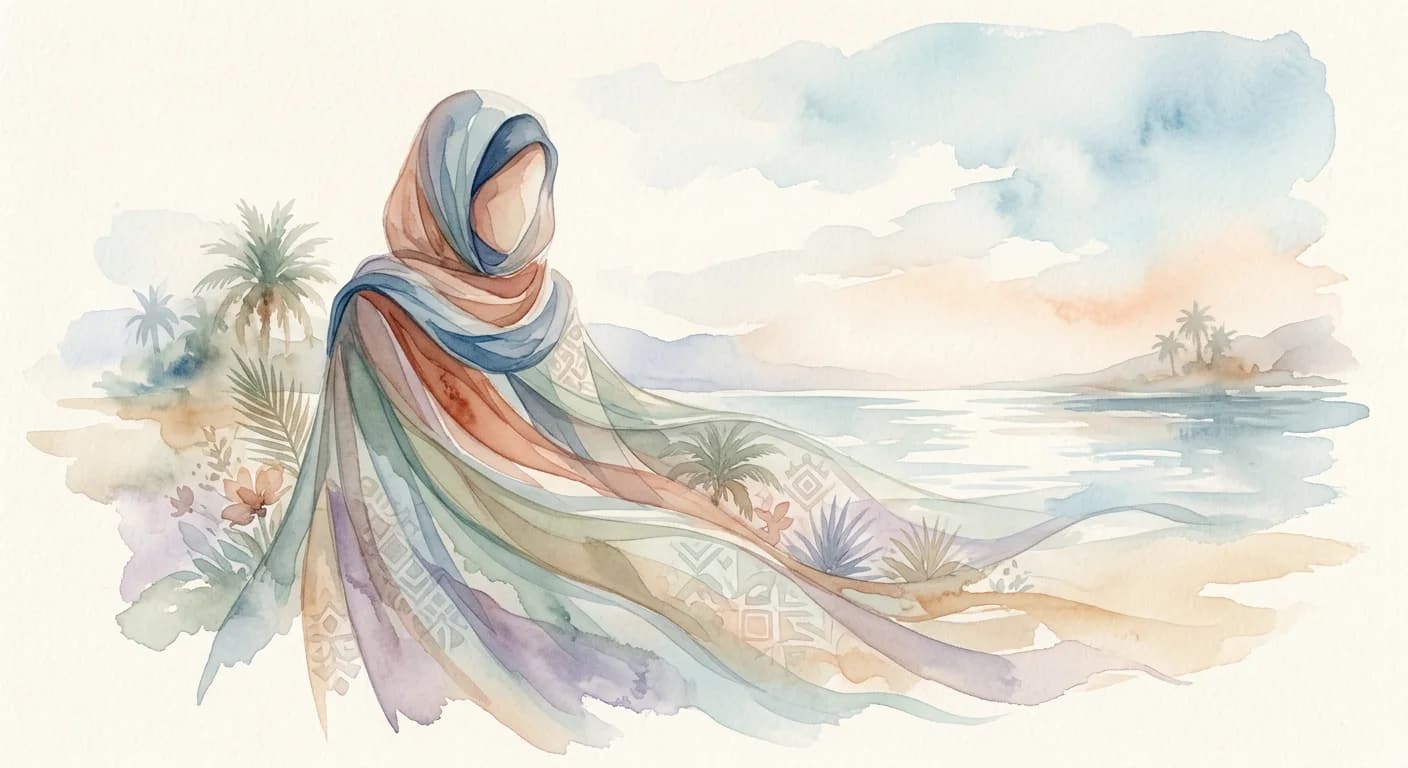
A young woman, preparing for a family gathering, carefully selects her abaya and hijab. She ensures her clothing covers her 'Awrah' not just out of obligation, but out of a personal commitment to modesty and respect for the occasion, feeling a sense of peace in her dignified presentation.
Mindful Public Conduct
During a men's sports activity, one participant reminds another to adjust his shorts, subtly referencing the 'Awrah.' It's a gentle nudge to maintain proper decorum, acknowledging the shared cultural understanding of modesty even in informal settings, preserving mutual respect among peers.
The Deeper Meaning
The 'Awrah' reveals a profound philosophy in Islamic thought: that true freedom and respect are found not in unrestrained exposure, but in disciplined modesty. It posits that safeguarding certain aspects of the self, both physically and behaviorally, elevates human dignity and fosters a more virtuous society. This concept underscores the interconnectedness of individual conduct, communal well-being, and spiritual integrity, where personal choices in dress and demeanor contribute to a larger moral order.
Did You Know?
While often associated with women's covering, the concept of 'Awrah' also applies to men, with specific guidelines in Islamic tradition regarding what parts of the male body should be covered in public and during prayer.
How It's Used
Primarily used in religious and cultural contexts to discuss Islamic guidelines on modesty and dress code for both men and women. It is a fundamental concept in discussions about personal conduct and social interactions within Muslim communities.