U.
HomeRegionsLanguagesEmotionsCollections
Find Your Word

“The limits of my language mean the limits of my world.”

— Ludwig Wittgenstein, Philosopher

Untranslatable

A curated collection of the world's most beautiful expressions—words that remind us language is humanity's greatest invention.

  • Home
  • Collections
  • Regions
  • Countries
  • Emotions
  • Tags
  • Contexts
  • Finder
  • Europe
  • Asia
  • Americas
  • Africa
  • Middle East
  • About
  • Contact
  • Privacy Policy
  • Terms of Service

2026 © Untranslatable. All rights reserved.

    /
    /
    1. Home
    2. /
    3. Middle East
    4. /
    5. Ghorbat
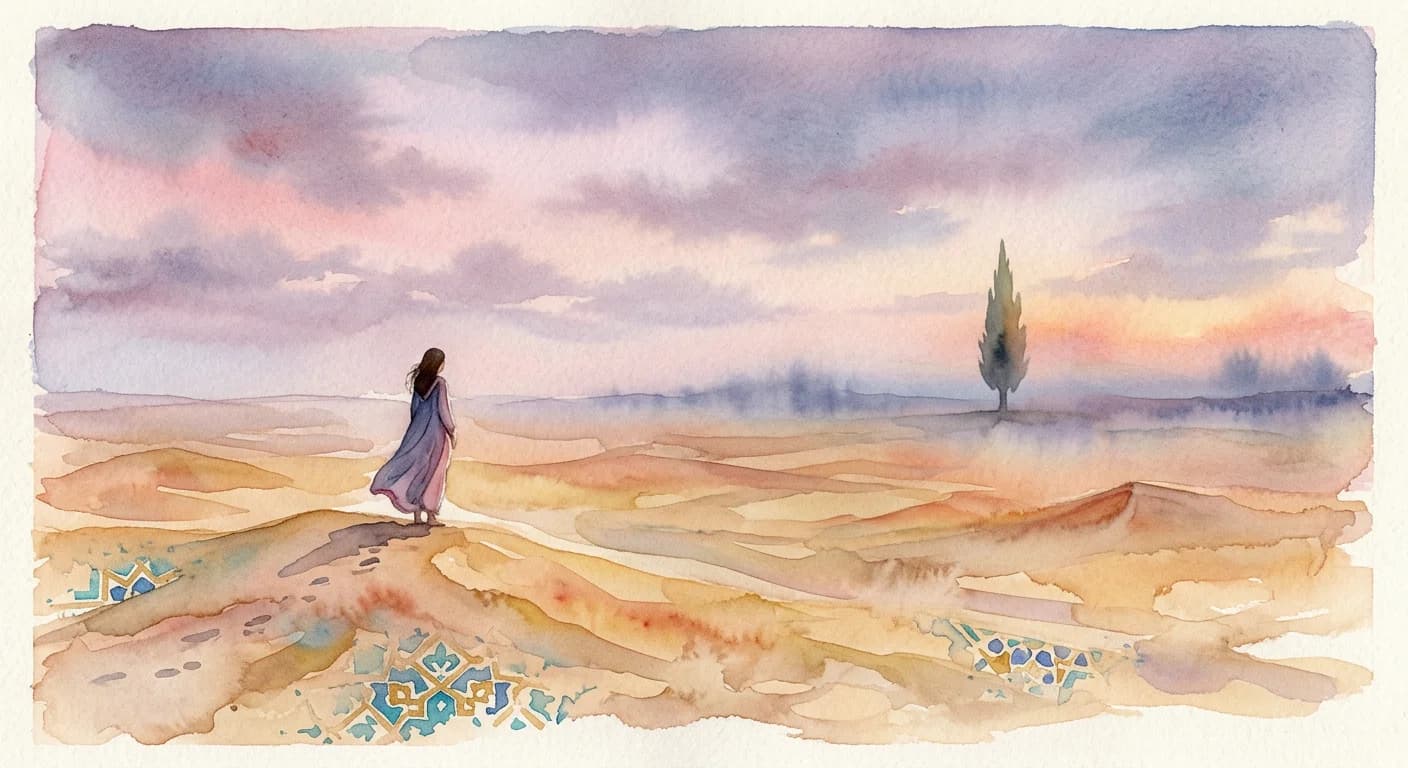
    Artistic representation of Ghorbat
    Persian•
    🇮🇷Iran

    Ghorbat

    /GHOR-bah-t/

    Meaning

    Ghorbat is the profound, soul-deep ache of displacement, far transcending mere homesickness. It's the persistent feeling of being an alien in a land where customs, language, and unspoken social cues remain perpetually out of reach, leaving one profoundly isolated. This emotional burden encompasses the silent yearning for the familiar embrace of one's roots and community, coupled with the existential burden of navigating a world where true belonging feels like an unattainable dream. It speaks to the spiritual exhaustion of living on the periphery, forever an outsider looking in.

    Literal Translation

    strangeness, foreignness, exile

    The Story Behind the Word

    The concept of 'Ghorbat' is deeply etched into the Persian psyche, rooted in centuries of migration, exile, and the rich poetic tradition of longing for a homeland or a beloved. Iran's geopolitical history, often marked by invasions, diasporas, and a strong sense of national identity tied to ancient heritage, has amplified this feeling. Persian poetry, from Rumi to Hafez, frequently explores themes of separation from the beloved (often symbolizing God or homeland) and the 'ghorbat' of the soul in the material world. This word exists because the experience of being an 'outsider' or 'stranger' is not just a physical state but a profound spiritual and emotional condition, reflecting a culture that highly values community, belonging, and a deep connection to one's past and place. It reveals a worldview where identity is intrinsically linked to one's cultural soil.

    Experience It

    The Student's Silent Struggle

    A young Iranian student, far from Tehran in a bustling European city, finds himself surrounded by people but feels an overwhelming sense of 'ghorbat.' Though he understands the language, the humor often eludes him, and the casual social interactions feel superficial, leaving him with a hollow ache for the easy camaraderie of home.

    Elder's Lingering Longing

    An elderly woman, having lived abroad for decades, still experiences 'ghorbat' every time she sees children playing games she doesn't recognize or hears music that doesn't stir her soul. Despite building a new life, a part of her heart remains forever in the alleys and courtyards of her childhood village in Iran, a constant, gentle throb of longing.

    The Deeper Meaning

    Ghorbat reveals a philosophical understanding that true belonging transcends physical presence; it necessitates a deep resonance with the cultural and spiritual landscape. It suggests that human identity is not merely individual but deeply communal and rooted, and that severing these roots, even voluntarily, leaves an existential void. The word implies that there is a fundamental human need to be understood within one's own cultural framework, and without it, one remains perpetually fragmented.

    Did You Know?

    The word 'ghorbat' is often paired with 'tanhayi' (loneliness) in Persian poetry, suggesting that the experience of foreignness is almost synonymous with profound solitude.

    How It's Used

    Used to describe the feeling of being a stranger or foreigner in a place, often evoking a sense of loneliness and displacement.

    Emotions
    longing,melancholy,serenity
    Contexts
    farewell,travel
    🇮🇷Iran

    by Sofia Rossi·Written Mar 10, 2026·Updated Apr 3, 2026

    Related Words

    Explore more
    SaudadePortuguese

    Saudade encapsulates a profound, melancholic longing for something or someone cherished that is absent, often with the bittersweet knowledge that it may never return. It's a deep emotional state tinged with nostalgia, evoking a sense of loss for past experiences, places, or people, yet also holding a tender appreciation for the beauty of what once was. This yearning is not merely sadness, but a complex tapestry of desire, memory, and a poignant acceptance of absence, holding the beloved in a warm, persistent embrace within the heart.

    MamihlapinatapaiYaghan

    Mamihlapinatapai encapsulates that profound, unspoken moment when two individuals lock eyes, each silently acknowledging a mutual desire or intention, yet both hesitate to be the first to act upon it. It's a delicate dance of anticipation, a shared gaze brimming with common understanding and a quiet longing for the other to break the ice. This intricate look carries the weight of a shared, uninitiated potential, a silent conversation where both parties are perfectly aware of what could happen, but neither makes the first move.

    TarofPersian

    Tarof is a deeply ingrained Iranian social custom, a delicate dance of politeness and deference where individuals engage in an elaborate exchange of offers and refusals. It's a performative humility, a way of showing respect and avoiding imposing, often involving multiple cycles of insistence and polite decline before a genuine acceptance or refusal is reached. This intricate ritual governs interactions from sharing food to paying bills, creating a nuanced social ballet.

    TarabArabic

    Tarab is far more than mere enjoyment; it's a profound, almost spiritual communion with music, where the performer and audience become one in a shared emotional journey. It signifies a state of ecstatic enchantment, a deep emotional surrender that transcends the self, leading to a transformative experience. This intense connection often manifests as spontaneous vocalizations, tears, or even physical swaying, as the music penetrates the soul and evokes a powerful release of feeling. It's a moment of pure, unadulterated musical rapture.