U.
HomeRegionsLanguagesEmotionsCollections
Find Your Word

“The limits of my language mean the limits of my world.”

— Ludwig Wittgenstein, Philosopher

Untranslatable

A curated collection of the world's most beautiful expressions—words that remind us language is humanity's greatest invention.

  • Home
  • Collections
  • Regions
  • Countries
  • Emotions
  • Tags
  • Contexts
  • Finder
  • Europe
  • Asia
  • Americas
  • Africa
  • Middle East
  • About
  • Contact
  • Privacy Policy
  • Terms of Service

2026 © Untranslatable. All rights reserved.

    /
    /
    1. Home
    2. /
    3. Middle East
    4. /
    5. Barg-e-sabz
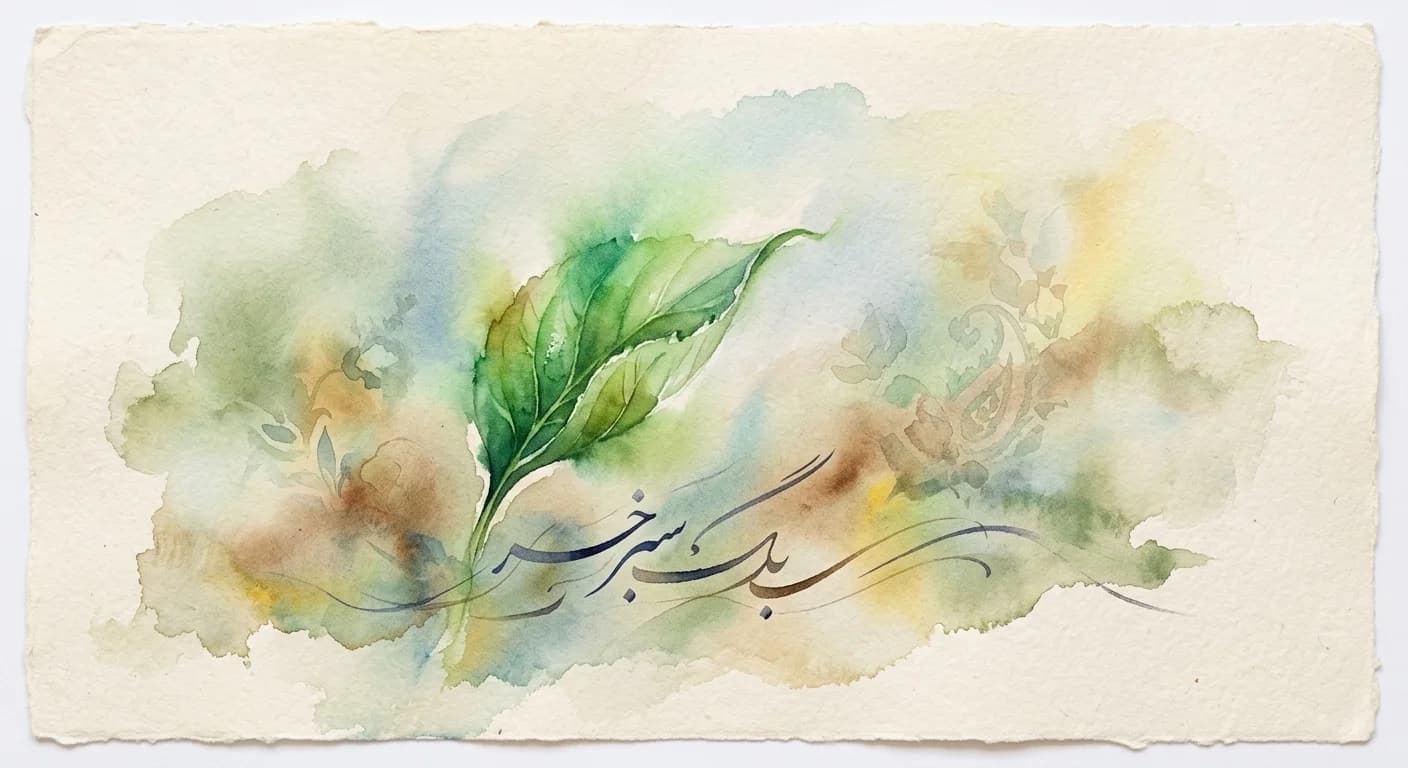
    Artistic representation of Barg-e-sabz
    Persian•
    🇮🇷Iran

    Barg-e-sabz

    /BARJ-eh-SAHBZ/

    Meaning

    Barg-e-sabz, literally 'green leaf,' embodies the profound essence of renewal and the promise of a fresh start. It's a vibrant metaphor for shedding the old and embracing a future brimming with potential, much like a tender green shoot unfurling after winter's dormancy. This phrase encapsulates the deep-seated optimism and hope for growth that accompanies significant new beginnings, particularly during the joyous celebration of Nowruz, the Persian New Year. It speaks to the cyclical nature of life, where every ending paves the way for a hopeful resurgence.

    Literal Translation

    Green leaf

    The Story Behind the Word

    The concept of 'Barg-e-sabz' is deeply rooted in Persian culture's profound connection to nature and its cycles, especially as observed through Nowruz, the ancient spring equinox festival. This celebration, predating Islam, marks the astronomical beginning of spring and symbolizes rebirth, regeneration, and the triumph of light over darkness. The phrase reflects a worldview where the natural world serves as a constant teacher, demonstrating that even after periods of barrenness, life always finds a way to flourish anew. It underscores the Persian emphasis on hope, resilience, and the belief in continuous self-improvement and growth, aligning human experience with the perennial renewal of the earth. The imagery of a 'green leaf' is not just aesthetic; it's a spiritual reminder of vitality and the endless possibilities that each new cycle brings.

    Experience It

    Nowruz Greetings

    During Nowruz, families gather, and elders often bestow blessings upon the younger generation. An aunt might say to her niece, 'May your new year be filled with Barg-e-sabz, dear, full of new opportunities and joyful growth,' as she hands over a traditional gift.

    Starting Afresh

    After a challenging period, a friend might encourage another who is embarking on a new venture, saying, 'Don't look back; let this be your Barg-e-sabz, a fresh start where everything can flourish.' It's a way of offering profound encouragement and optimism for the future.

    The Deeper Meaning

    This phrase reveals a fundamental Persian philosophical outlook that views life as a continuous journey of renewal and transformation, mirroring nature's cycles. It suggests that difficulties are temporary, and every ending is merely a prelude to a new beginning, imbued with hope and the potential for greater flourishing. It emphasizes resilience, a forward-looking perspective, and an inherent belief in the universe's capacity for regeneration, encouraging individuals to embrace change with optimism.

    Did You Know?

    The 'haft-seen' table, central to Nowruz, includes 'sabzeh' (sprouted wheat or lentils), directly symbolizing 'barg-e-sabz' and the rebirth of nature, often grown by families themselves.

    How It's Used

    Primarily used during Nowruz (Persian New Year) or any time a significant new beginning or fresh start is being celebrated or wished for.

    Emotion
    hope
    Contexts
    celebration,nature,seasons
    🇮🇷Iran

    by Sofia Rossi·Written Mar 10, 2026·Updated Apr 3, 2026

    Related Words

    Explore more
    TarofPersian

    Tarof is a deeply ingrained Iranian social custom, a delicate dance of politeness and deference where individuals engage in an elaborate exchange of offers and refusals. It's a performative humility, a way of showing respect and avoiding imposing, often involving multiple cycles of insistence and polite decline before a genuine acceptance or refusal is reached. This intricate ritual governs interactions from sharing food to paying bills, creating a nuanced social ballet.

    TarabArabic

    Tarab is far more than mere enjoyment; it's a profound, almost spiritual communion with music, where the performer and audience become one in a shared emotional journey. It signifies a state of ecstatic enchantment, a deep emotional surrender that transcends the self, leading to a transformative experience. This intense connection often manifests as spontaneous vocalizations, tears, or even physical swaying, as the music penetrates the soul and evokes a powerful release of feeling. It's a moment of pure, unadulterated musical rapture.

    KeyifTurkish

    Keyif is a profound state of unhurried, mindful enjoyment, a deliberate savoring of the present moment without urgency or expectation. It's not merely relaxation, but an active engagement with the simple pleasures of life, finding contentment in the sensory details of a warm cup of tea, the gentle breeze, or a quiet conversation. It embodies a serene acceptance of 'what is,' fostering an inner peace that makes even mundane activities feel like a small celebration.

    FolkeoplysningDanish

    Folkeoplysning is the vibrant heartbeat of Danish civil society, a profound commitment to public enlightenment that transcends formal schooling. It embodies the lifelong journey of knowledge acquisition and cultural immersion for every citizen, fostering critical thinking and active democratic participation. Through accessible institutions like folk high schools, libraries, and community initiatives, it empowers individuals to understand their world, engage meaningfully, and contribute to a cohesive, informed society, viewing education not as a privilege but as a fundamental right and societal pillar.