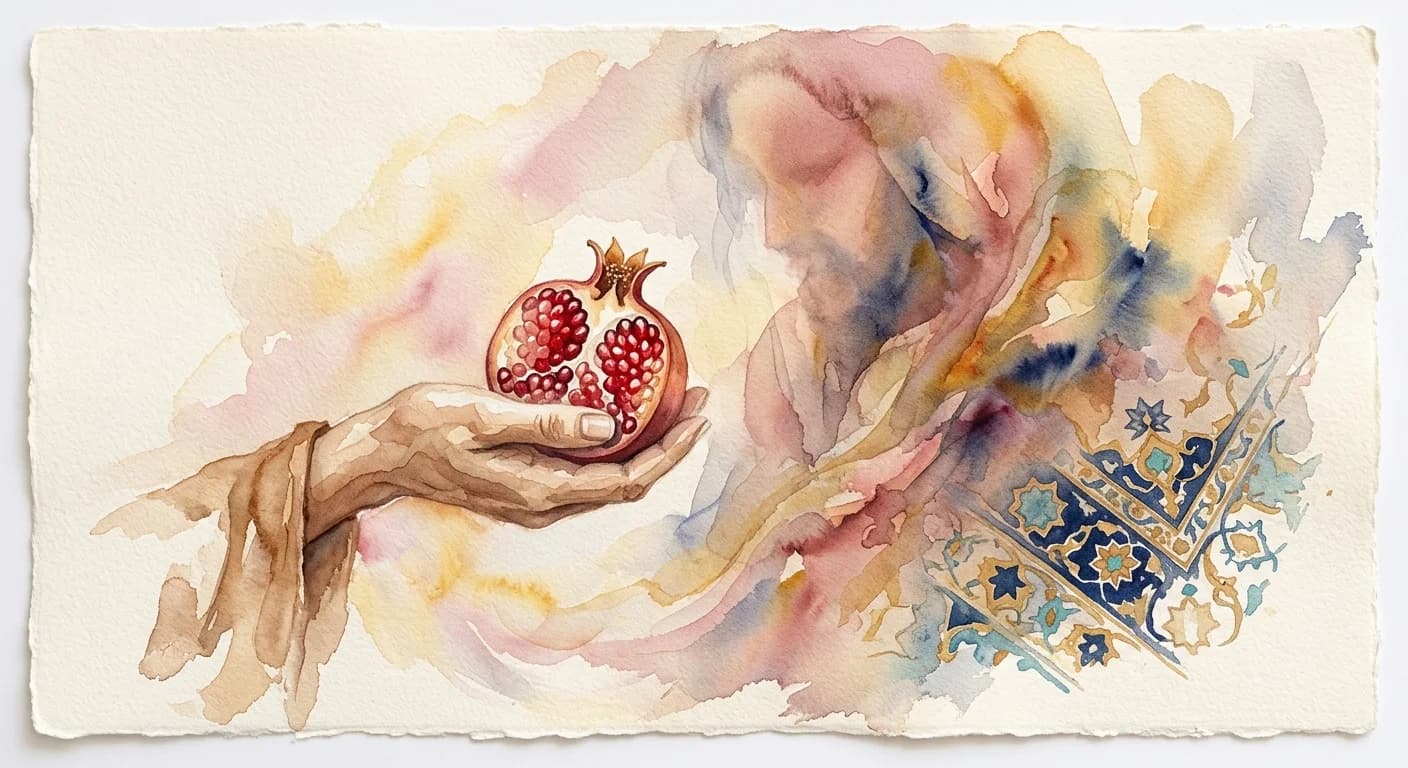
Pishkesh
/PISH-kesh/
Meaning
Pishkesh transcends a mere present; it is an offering imbued with social currency, a nuanced exchange where generosity intertwines with deference and the subtle negotiation of relationships. It signifies a gesture of respect, often extended to elders or those of higher status, yet it subtly carries an expectation of reciprocation, not necessarily in kind, but in the strengthening of bonds or the affirmation of one's place within a social hierarchy. This act is deeply embedded in Persian etiquette, serving as a vital mechanism for maintaining harmony and expressing interconnectedness within the community.
Literal Translation
Gift, offering, tribute
The Story Behind the Word
The concept of Pishkesh is deeply rooted in Iranian history and the intricate social fabric of Persian culture, where hierarchy, respect for elders, and the importance of hospitality (mehmooni) are paramount. Historically, it reflects the feudal or monarchical structures where tributes were offered to rulers, evolving into a more generalized social practice. It embodies the Persian worldview that relationships are not merely transactional but are built on mutual respect, ongoing gestures, and an understanding of one's social position. The act of giving a pishkesh is a performance of humility and honor, acknowledging the recipient's status while also subtly asserting the giver's good faith and desire for connection. It underscores the idea that social capital is as valuable, if not more so, than monetary wealth, and that maintaining these delicate social balances is crucial for communal well-being.
Experience It
Family Visit Offering
Upon visiting his elderly aunt, Ali presented a beautifully wrapped box of traditional sweets. 'This is just a small pishkesh for your kindness,' he said, bowing slightly. His aunt, delighted, accepted it with a warm smile, feeling honored by his thoughtful gesture and respect.
Business Deference
During a meeting with a high-ranking official, Mr. Reza discreetly offered a rare, antique pen. 'A humble pishkesh, a token of our appreciation for your time and guidance,' he murmured. The official, understanding the unspoken deference and respect, nodded approvingly, signaling the strengthening of their professional ties.
The Deeper Meaning
Pishkesh reveals a profound philosophical insight into the nature of human connection in Persian culture: that relationships are dynamic, requiring constant nurturing through symbolic acts of deference and generosity. It underscores a worldview where individual identity is often intertwined with social roles and obligations, and where the act of giving is not just about the object itself, but about the affirmation of social bonds and the harmonious functioning of the collective. It speaks to a society that values indirect communication and subtle cues in maintaining social order.
Did You Know?
The term 'pishkesh' can sometimes be used ironically or playfully to denote something given reluctantly or as a bribe, highlighting its deep connection to obligation.
How It's Used
Typically used when offering a gift or present to someone, especially an elder or someone of higher social standing, often accompanied by a gesture of respect.