U.
HomeRegionsLanguagesEmotionsCollections
Find Your Word

“The limits of my language mean the limits of my world.”

— Ludwig Wittgenstein, Philosopher

Untranslatable

A curated collection of the world's most beautiful expressions—words that remind us language is humanity's greatest invention.

  • Home
  • Collections
  • Regions
  • Countries
  • Emotions
  • Tags
  • Contexts
  • Finder
  • Europe
  • Asia
  • Americas
  • Africa
  • Middle East
  • About
  • Contact
  • Privacy Policy
  • Terms of Service

2026 © Untranslatable. All rights reserved.

    /
    /
    1. Home
    2. /
    3. Middle East
    4. /
    5. Sar-shefteh
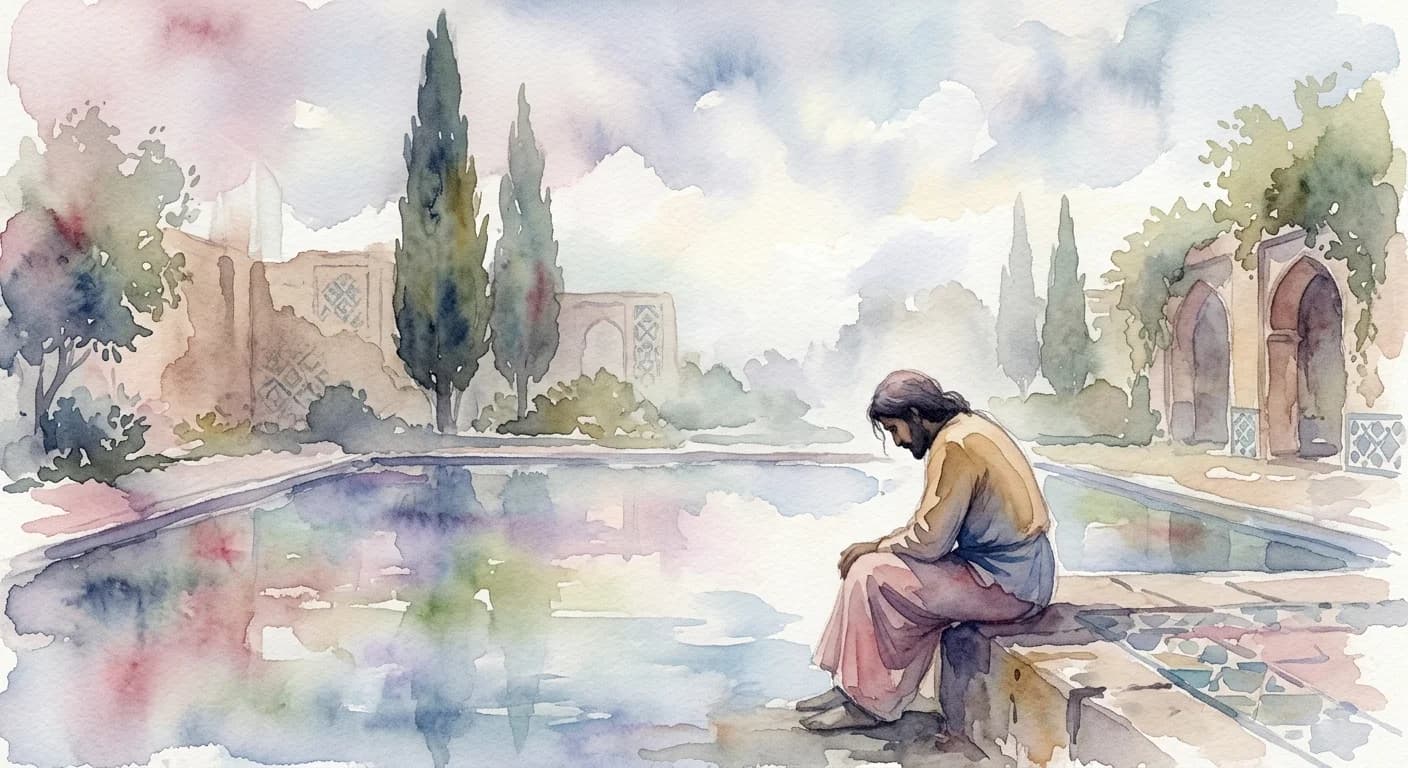
    Artistic representation of Sar-shefteh
    Persian•
    🇮🇷Iran

    Sar-shefteh

    /SAHR-sheft-eh/

    Meaning

    Sar-shefteh describes a profound, debilitating exhaustion that transcends mere physical tiredness, encompassing a complete mental and emotional collapse. It's a state where the 'head is broken,' signifying a loss of cognitive and emotional resilience, leaving one feeling utterly drained, numb, and disconnected from their surroundings. This deep weariness often results from prolonged periods of intense stress, hardship, or emotional turmoil, rendering even the simplest tasks insurmountable and stripping away motivation and engagement with reality.

    Literal Translation

    Head-broken

    The Story Behind the Word

    The existence of 'Sar-shefteh' in Persian culture reflects a deep understanding of the intertwined nature of mental, emotional, and physical well-being, particularly in the face of adversity. Historically, Iran has experienced periods of significant upheaval, requiring immense resilience. This word highlights a cultural recognition that the human spirit has limits, and that prolonged suffering can lead to a breaking point beyond simple fatigue. It acknowledges a state of being where one's inner strength is depleted, and the 'head' – the seat of thought, reason, and emotion – feels irrevocably damaged. It's not just about being tired, but about a fundamental breakdown of one's capacity to cope, mirroring a society that values fortitude but also understands the cost of sustained struggle.

    Experience It

    Post-Crisis Exhaustion

    After months of tirelessly caring for her ailing mother, navigating complex medical decisions, and managing household finances alone, Layla finally sat down. The crisis had passed, but she felt utterly 'Sar-shefteh,' unable to even process the relief, her mind a blank, her body heavy and unresponsive.

    Overwhelmed Student

    Preparing for final exams while working two jobs, Amir pushed himself to the brink. On the last day, despite finishing his papers, he felt 'Sar-shefteh.' He couldn't celebrate, couldn't relax; his brain felt fried, and he just stared blankly at the wall, completely devoid of energy or emotion.

    The Deeper Meaning

    Sar-shefteh reveals a cultural philosophy that acknowledges the profound limits of human endurance, particularly the mental and emotional toll of sustained hardship. It suggests that true well-being is holistic, and when the 'head' — the center of thought and feeling — is 'broken,' the entire person is incapacitated. This word underscores a recognition that resilience is not infinite and that there's a point where the spirit, not just the body, gives out.

    Did You Know?

    The 'head-broken' literal translation of Sar-shefteh vividly illustrates the profound mental and cognitive impact of this extreme exhaustion, going far beyond a simple ache.

    How It's Used

    This term is used to describe a state of extreme mental and physical exhaustion, often after enduring significant difficulties or prolonged stress.

    Emotions
    acceptance,melancholy
    Contexts
    farewell,solitude,work
    🇮🇷Iran

    by Sofia Rossi·Written Mar 10, 2026·Updated Apr 3, 2026

    Related Words

    Explore more
    SaudadePortuguese

    Saudade encapsulates a profound, melancholic longing for something or someone cherished that is absent, often with the bittersweet knowledge that it may never return. It's a deep emotional state tinged with nostalgia, evoking a sense of loss for past experiences, places, or people, yet also holding a tender appreciation for the beauty of what once was. This yearning is not merely sadness, but a complex tapestry of desire, memory, and a poignant acceptance of absence, holding the beloved in a warm, persistent embrace within the heart.

    Wabi-sabiJapanese

    Wabi-sabi is the profound appreciation for the ephemeral, the imperfect, and the incomplete aspects of existence. It is about discovering beauty in the subtle textures of age, the unique character of flaws, and the gentle decay that marks the passage of time. This philosophy encourages a quiet acceptance of impermanence and a mindful connection to the natural world, finding elegance in simplicity and authenticity.

    TarofPersian

    Tarof is a deeply ingrained Iranian social custom, a delicate dance of politeness and deference where individuals engage in an elaborate exchange of offers and refusals. It's a performative humility, a way of showing respect and avoiding imposing, often involving multiple cycles of insistence and polite decline before a genuine acceptance or refusal is reached. This intricate ritual governs interactions from sharing food to paying bills, creating a nuanced social ballet.

    TarabArabic

    Tarab is far more than mere enjoyment; it's a profound, almost spiritual communion with music, where the performer and audience become one in a shared emotional journey. It signifies a state of ecstatic enchantment, a deep emotional surrender that transcends the self, leading to a transformative experience. This intense connection often manifests as spontaneous vocalizations, tears, or even physical swaying, as the music penetrates the soul and evokes a powerful release of feeling. It's a moment of pure, unadulterated musical rapture.