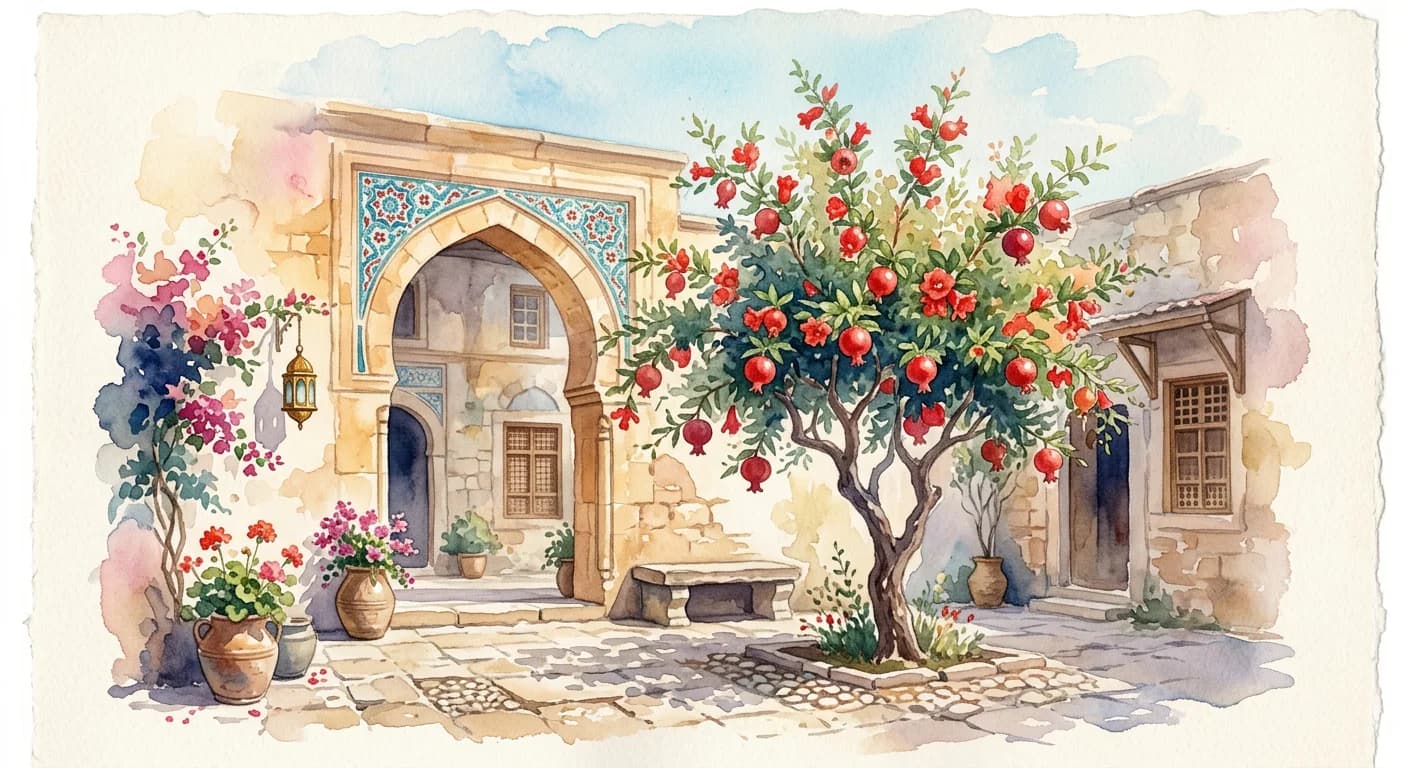
Alaturka
/AH-lah-tur-KAH/
Meaning
Alaturka is more than just 'in the Turkish style'; it embodies a profound embrace of indigenous Turkish heritage, distinguishing it from 'Alafranga,' which signifies Western or European influence. It celebrates the authentic spirit of Turkish life across various domains, from the intricate melodies of classical music to the ornate patterns in architecture, the rich flavors of traditional cuisine, and the nuances of social customs. This term evokes a sense of deep-seated cultural pride and a conscious affirmation of a unique identity forged through centuries of history and tradition, particularly in contrast to the modernization efforts of the late Ottoman and early Republican eras.
Literal Translation
Turkish style
The Story Behind the Word
The word 'Alaturka' emerged prominently during the late Ottoman Empire, a period marked by intense cultural exchange and often conflict with the West. It became a crucial descriptor for preserving and championing indigenous Turkish ways of life against the tide of Westernization, often perceived as an erosion of national identity. This binary — Alaturka vs. Alafranga — reflects a society grappling with modernity while fiercely holding onto its roots. It reveals a culture that deeply values its historical lineage, seeing tradition not as stagnant, but as a living, evolving testament to its unique character. The term underscores a conscious effort to define and maintain a distinct cultural space, illustrating a people's ongoing dialogue with their past and their place in the global present.
Experience It
Alaturka Music Night
At the old meyhane, the musicians began to play on their oud and kanun. The rich, intricate melodies and rhythms were distinctly Alaturka, transporting the listeners to a bygone era of Ottoman court music and folk traditions, a stark contrast to the pop music heard in modern cafes.
A True Alaturka Breakfast
Grandmother prepared a lavish breakfast with freshly brewed Turkish tea in slender glasses, a variety of cheeses, olives, homemade jams, and simit. Everything about the spread, from the presentation to the traditional flavors and the unhurried pace, felt profoundly Alaturka, a ritual passed down through generations.
The Deeper Meaning
Alaturka encapsulates a national consciousness that actively seeks to define itself through its unique cultural expressions, rather than passively accepting external influences. It reflects a worldview prioritizing the preservation of a distinct heritage as a cornerstone of identity, suggesting that authenticity and pride in one's roots are vital for cultural continuity and self-respect in an interconnected world. It's a statement of cultural sovereignty.
Did You Know?
The 'Alaturka toilet' refers to the traditional Turkish squat toilet, a practical and common fixture in Turkey, whose design predates Western-style commodes.
How It's Used
Used to describe anything that is considered traditionally Turkish, often in contrast to Western or European styles. It can apply to art, music, food, architecture, customs, and even ways of behaving.