U.
HomeRegionsLanguagesEmotionsCollections
Find Your Word

“The limits of my language mean the limits of my world.”

— Ludwig Wittgenstein, Philosopher

Untranslatable

A curated collection of the world's most beautiful expressions—words that remind us language is humanity's greatest invention.

  • Home
  • Collections
  • Regions
  • Countries
  • Emotions
  • Tags
  • Contexts
  • Finder
  • Europe
  • Asia
  • Americas
  • Africa
  • Middle East
  • About
  • Contact
  • Privacy Policy
  • Terms of Service

2026 © Untranslatable. All rights reserved.

    /
    /
    1. Home
    2. /
    3. Middle East
    4. /
    5. Cilve
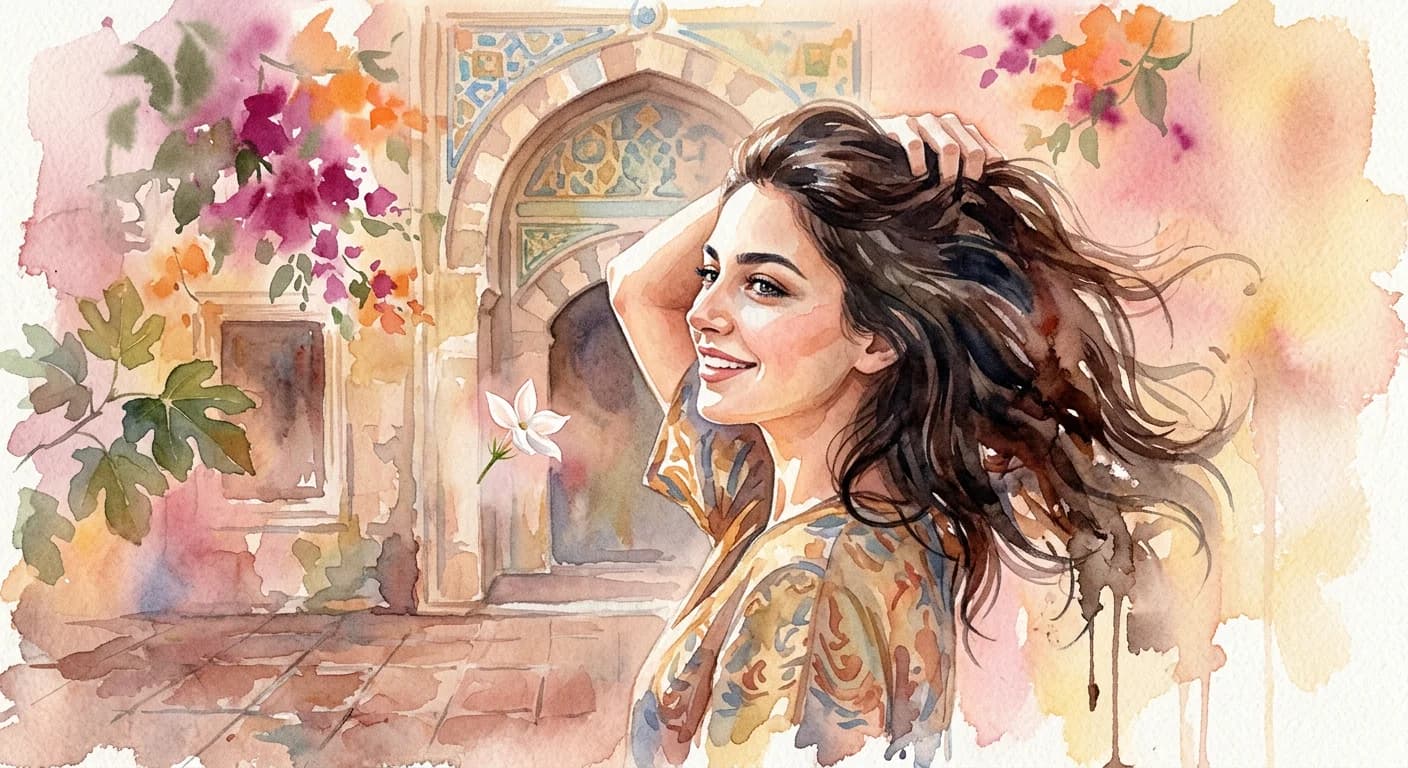
    Artistic representation of Cilve
    Turkish•
    🇹🇷Turkey

    Cilve

    /JIL-veh/

    Meaning

    Cilve, in Turkish culture, encapsulates a sophisticated, often subtle, flirtatious demeanor, typically expressed by women. It's an artful blend of body language, a captivating gaze, a playful turn of the head, or a charming inflection in speech, designed to attract attention and convey interest without overt declaration. This nuanced coquetry is a graceful dance of allure, a non-verbal poetry that sparks admiration and engagement, often communicating volumes without a single word. It speaks to a deep appreciation for indirect communication and the power of suggestion in social interactions.

    Literal Translation

    Coquetry, flirtation, charm

    The Story Behind the Word

    The existence of 'cilve' in Turkish culture highlights a historical appreciation for indirect communication, nuance, and the art of attraction, particularly within gender roles. In a society that traditionally valued modesty and decorum, especially for women, 'cilve' emerged as a permissible and even celebrated form of expressing interest and charm. It's not aggressive or overt, but rather a delicate play of signals that maintains a sense of grace and mystery. This word reveals a cultural understanding that true allure often lies in what is subtly suggested rather than explicitly stated, reflecting a society where interpersonal dynamics are often navigated with careful consideration and a rich tapestry of non-verbal cues. It speaks to a world where elegance and wit are as important as directness in forming connections.

    Experience It

    The Bazaar Encounter

    A young woman, browsing at a bustling bazaar, catches the eye of a vendor. Instead of a direct smile, she tilts her head slightly, her eyes lingering for just a moment longer than necessary before she turns back to the silks, a hint of a smile playing on her lips. It's a classic display of cilve, inviting interest without being forward.

    Coffee Shop Charm

    At a café, a woman is chatting with a new acquaintance. As she speaks, she playfully brushes a strand of hair from her face, her gaze momentarily meeting his with a spark of mischief, then quickly looking away. Her voice takes on a softer, more melodic tone for a sentence or two, a subtle cilve that conveys her charm and engagement.

    The Deeper Meaning

    Cilve embodies a philosophy where indirectness and subtlety are powerful tools of communication and connection. It suggests that true charm and attraction are not about forceful expression, but about the art of suggestion, leaving space for interpretation and inviting engagement. This reflects a worldview that values grace, mystery, and the nuanced dance of human interaction over blunt or overt declarations, particularly in matters of the heart.

    Did You Know?

    Cilve is often considered an essential part of 'kadınlık' (womanhood) in Turkish culture, embodying a certain feminine grace and power of attraction that is admired and understood by all.

    How It's Used

    Used to describe a charming, flirtatious, or coquettish behavior or gesture.

    Emotions
    joy,love,warmth
    Contexts
    romance,social interaction
    🇹🇷Turkey

    by Dr. Kenji Tanaka·Written Mar 10, 2026·Updated Apr 3, 2026

    Related Words

    Explore more
    GezelligDutch

    Gezellig encapsulates a profound sense of warmth, belonging, and convivial comfort, extending beyond mere coziness to embrace the social and emotional atmosphere. It's the feeling of being truly at ease, surrounded by good company, laughter, and a shared sense of contentment. This untranslatable term describes not just a physical space, but a holistic experience where time seems to slow down, fostering genuine connection and a deep sense of well-being.

    JayusIndonesian

    Jayus describes that peculiar moment when a joke is so utterly devoid of humor, so poorly delivered, or so nonsensical that its very ineptitude triggers an involuntary, almost sympathetic burst of laughter. It's not laughter at the joke itself, but rather a reaction to the sheer awkwardness and the unexpected, delightful absurdity of someone failing so spectacularly to be funny. The humor stems from the meta-experience of witnessing a comedic train wreck, transforming discomfort into a shared moment of mirth.

    TarofPersian

    Tarof is a deeply ingrained Iranian social custom, a delicate dance of politeness and deference where individuals engage in an elaborate exchange of offers and refusals. It's a performative humility, a way of showing respect and avoiding imposing, often involving multiple cycles of insistence and polite decline before a genuine acceptance or refusal is reached. This intricate ritual governs interactions from sharing food to paying bills, creating a nuanced social ballet.

    TarabArabic

    Tarab is far more than mere enjoyment; it's a profound, almost spiritual communion with music, where the performer and audience become one in a shared emotional journey. It signifies a state of ecstatic enchantment, a deep emotional surrender that transcends the self, leading to a transformative experience. This intense connection often manifests as spontaneous vocalizations, tears, or even physical swaying, as the music penetrates the soul and evokes a powerful release of feeling. It's a moment of pure, unadulterated musical rapture.

    Featured in 1 collection

    😄Humor Across Cultures