U.
HomeRegionsLanguagesEmotionsCollections
Find Your Word

“The limits of my language mean the limits of my world.”

— Ludwig Wittgenstein, Philosopher

Untranslatable

A curated collection of the world's most beautiful expressions—words that remind us language is humanity's greatest invention.

  • Home
  • Collections
  • Regions
  • Countries
  • Emotions
  • Tags
  • Contexts
  • Finder
  • Europe
  • Asia
  • Americas
  • Africa
  • Middle East
  • About
  • Contact
  • Privacy Policy
  • Terms of Service

2026 © Untranslatable. All rights reserved.

    /
    /
    1. Home
    2. /
    3. Middle East
    4. /
    5. Dertleşmek
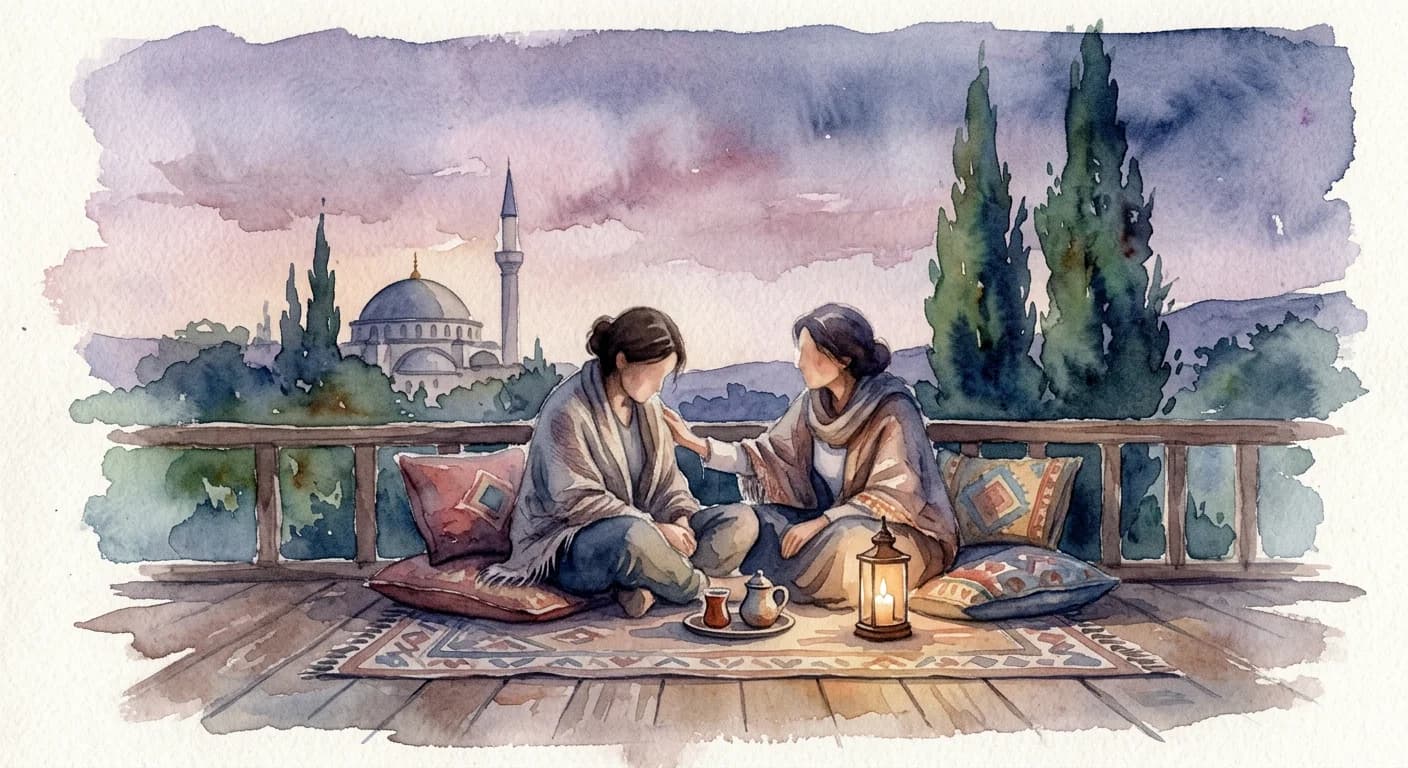
    Artistic representation of Dertleşmek
    Turkish•
    🇹🇷Turkey

    Dertleşmek

    /DER-tlesh-mek/

    Meaning

    Dertleşmek is a deeply cherished social ritual in Turkish culture, transcending mere conversation to become a profound act of mutual emotional support. It involves the intimate sharing of one's 'dert' (trouble, sorrow, pain) with a trusted friend or loved one, creating a sacred space for vulnerability and catharsis. Through this shared burden, the weight of individual worries is lightened, fostering an unparalleled bond of empathy and solidarity that strengthens relationships and nurtures the soul.

    Literal Translation

    To share trouble/sorrow

    The Story Behind the Word

    The concept of dertleşmek is deeply rooted in Turkish communal values and a historical emphasis on collective well-being over individual isolation. In a society where strong social ties are paramount, the act of openly sharing one's troubles reinforces interdependence and mutual responsibility. It reflects a philosophy that human suffering is best alleviated through connection and understanding, rather than stoic endurance. This tradition likely stems from centuries of close-knit village life and Ottoman social structures where community support was a primary survival mechanism. Dertleşmek reveals a cultural belief that vulnerability is a strength when shared within a trusted circle, and that true friendship is proven not just in joy, but in shared sorrow. It underscores the importance of verbalizing pain as a path to healing and maintaining mental and emotional balance within the fabric of social life.

    Experience It

    Coffee Shop Confession

    Elif met her best friend Ayşe at their favorite coffee shop. Sipping their Turkish coffees, Elif began to recount the stress at her new job, the sleepless nights, and her anxieties about the future. Ayşe listened intently, offering comforting words and her own experiences, as they dertleştiler for hours, leaving Elif feeling much lighter.

    Late Night Heart-to-Heart

    After a difficult family argument, Can called his older brother. They stayed on the phone late into the night, Can pouring out his frustrations and hurt, while his brother offered perspective and reassurance. This dertleşmek session helped Can process his emotions and feel less alone in his turmoil.

    The Deeper Meaning

    Dertleşmek embodies a profound philosophical understanding of human interconnectedness and the therapeutic power of shared experience. It suggests that suffering, when acknowledged and articulated within a supportive framework, transforms from an isolating burden into a communal experience that strengthens bonds and fosters resilience. This practice underscores a belief that true well-being is achieved not through individual stoicism, but through empathetic solidarity and the shared journey of life's challenges.

    Did You Know?

    The word 'dert' from which 'dertleşmek' is derived, originally comes from Persian, meaning 'pain' or 'trouble,' highlighting a shared emotional vocabulary across cultures.

    How It's Used

    Typically used when two or more people, usually close friends or family, decide to sit down together and openly discuss their personal problems and anxieties, seeking solace and advice from each other.

    Emotions
    belonging,comfort,melancholy
    Contexts
    family,friendship,relaxation
    🇹🇷Turkey

    by Kwame Nkrumah·Written Mar 10, 2026·Updated Apr 3, 2026

    Related Words

    Explore more
    SaudadePortuguese

    Saudade encapsulates a profound, melancholic longing for something or someone cherished that is absent, often with the bittersweet knowledge that it may never return. It's a deep emotional state tinged with nostalgia, evoking a sense of loss for past experiences, places, or people, yet also holding a tender appreciation for the beauty of what once was. This yearning is not merely sadness, but a complex tapestry of desire, memory, and a poignant acceptance of absence, holding the beloved in a warm, persistent embrace within the heart.

    SobremesaSpanish

    Sobremesa is the cherished, often extended period immediately following a meal, particularly lunch or dinner, where diners remain seated at the table to enjoy conversation, coffee, and digest not just the food, but the company itself. It’s a dedicated time for unhurried social bonding, storytelling, and shared laughter, transforming a simple meal into a profound communal experience. Far from just clearing the dishes, sobremesa is an integral part of Spanish social life, often lasting for hours.

    UbuntuZulu/Xhosa

    Ubuntu is a profound African philosophy that translates to 'I am because we are,' signifying that an individual's humanity is inextricably linked to the humanity of others. It embodies the belief that our existence and well-being are deeply intertwined with the community. This concept emphasizes compassion, reciprocity, dignity, and the understanding that true fulfillment is found not in isolation, but through collective flourishing and mutual support. It's a call to recognize and affirm the humanity in everyone, fostering a sense of interconnectedness.

    TarofPersian

    Tarof is a deeply ingrained Iranian social custom, a delicate dance of politeness and deference where individuals engage in an elaborate exchange of offers and refusals. It's a performative humility, a way of showing respect and avoiding imposing, often involving multiple cycles of insistence and polite decline before a genuine acceptance or refusal is reached. This intricate ritual governs interactions from sharing food to paying bills, creating a nuanced social ballet.