Efkâr
/ef-KAHR/
Meaning
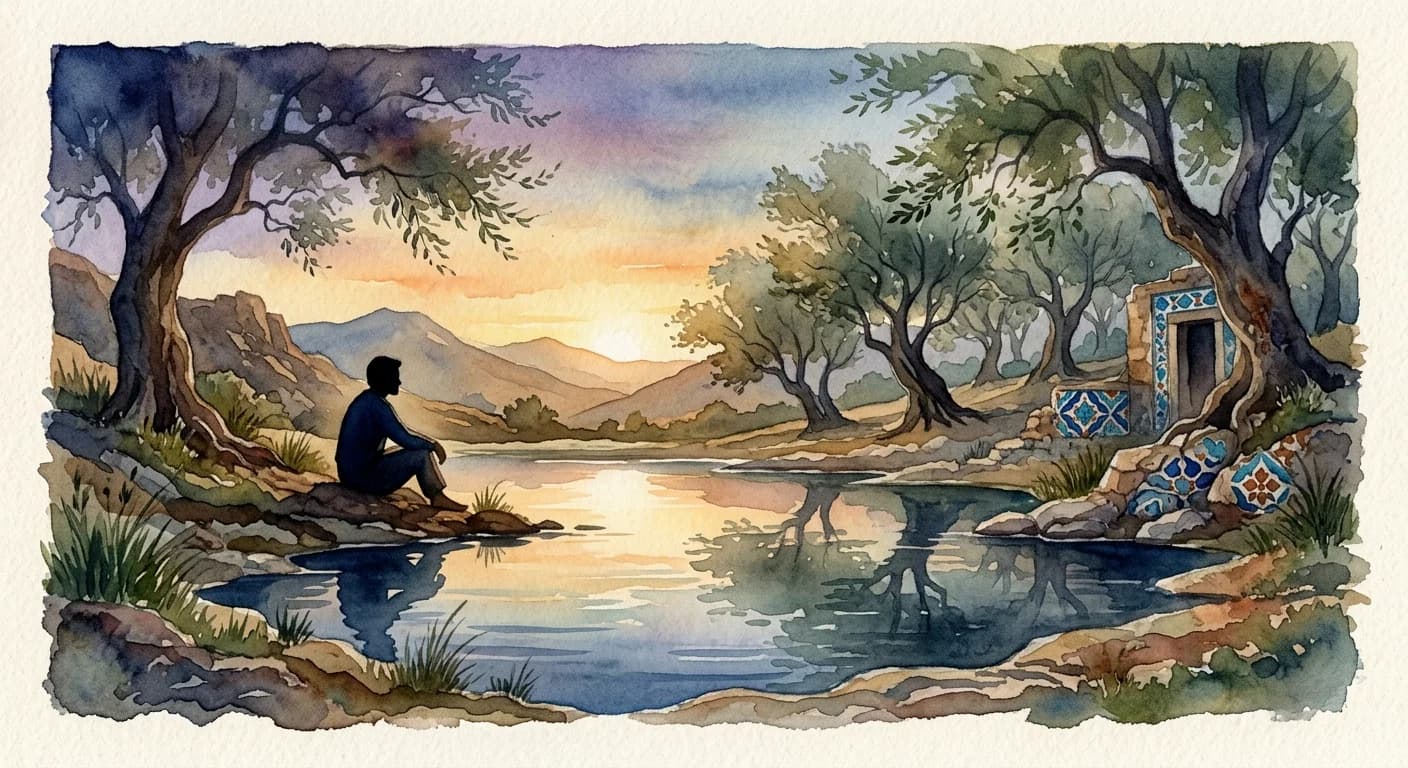
Efkâr describes a profound state of melancholic contemplation, a deep dive into one's inner world where thoughts, worries, and existential ponderings intertwine. It's not mere thinking, but a soulful engagement with life's complexities, often tinged with a gentle sorrow or longing for the ineffable. This introspective mood can arise from quiet observation, personal reflection, or a yearning for something unseen, fostering a rich inner peace amidst the grappling with existence. It embodies a uniquely human capacity for reflective depth and emotional resonance.
Literal Translation
Thought, mind, opinion, care, sorrow
The Story Behind the Word
The concept of "efkâr" is deeply embedded in Turkish culture, particularly within its rich tradition of poetry, music (especially "Türk Sanat Müziği" and "fantezi" genres), and philosophical discourse. It reflects a cultural appreciation for introspection and emotional depth, where openly acknowledging and exploring one's inner turmoil or philosophical musings is not seen as weakness but as a sign of sensitivity and wisdom. Historically, Ottoman court poetry (Divan Edebiyatı) often delved into themes of separation, longing, and the transient nature of life, all of which resonate with the spirit of efkâr. This word reveals a society that values the richness of the inner life, understanding that true wisdom often stems from quiet contemplation and a deep engagement with one's own feelings and the world's complexities. It's a testament to a culture that finds beauty and meaning in reflective melancholy.
Experience It
Evening by the Bosphorus
Sitting on the ferry as the sun dipped below the Istanbul skyline, Ahmet gazed at the shimmering water, the city lights beginning to twinkle. He wasn't thinking of work, but rather lost in a gentle efkâr, pondering the fleeting nature of time and the countless stories held within the ancient city's walls.
A Friend's Quiet Concern
Ayşe found her friend Elif staring out the window, a cup of untouched tea beside her. "Efkârlısın," Ayşe observed softly, recognizing the quiet, reflective sadness in Elif's eyes. She knew better than to interrupt, understanding that Elif was processing something deep within herself, needing only silent companionship.
The Deeper Meaning
Efkâr encapsulates a worldview that values emotional depth and philosophical inquiry, suggesting that true understanding often emerges from quiet introspection rather than constant external activity. It highlights the human capacity to find a contemplative peace amidst life's uncertainties and sorrows, seeing melancholy not as an affliction but as a pathway to deeper self-awareness and connection with universal themes. This word underscores a belief in the richness of the inner journey.
Did You Know?
The word "efkâr" is often associated with traditional Turkish music, where the melodies and lyrics frequently evoke a sense of deep longing, introspection, and melancholic beauty, perfectly capturing the essence of being "efkârlı."
How It's Used
Used to describe someone who is lost in thought, pondering deeply about life, worries, or philosophical matters. It can be a solitary activity or a shared mood in quiet company.