U.
HomeRegionsLanguagesEmotionsCollections
Find Your Word

“The limits of my language mean the limits of my world.”

— Ludwig Wittgenstein, Philosopher

Untranslatable

A curated collection of the world's most beautiful expressions—words that remind us language is humanity's greatest invention.

  • Home
  • Collections
  • Regions
  • Countries
  • Emotions
  • Tags
  • Contexts
  • Finder
  • Europe
  • Asia
  • Americas
  • Africa
  • Middle East
  • About
  • Contact
  • Privacy Policy
  • Terms of Service

2026 © Untranslatable. All rights reserved.

    /
    /
    1. Home
    2. /
    3. Middle East
    4. /
    5. Tok gözlü
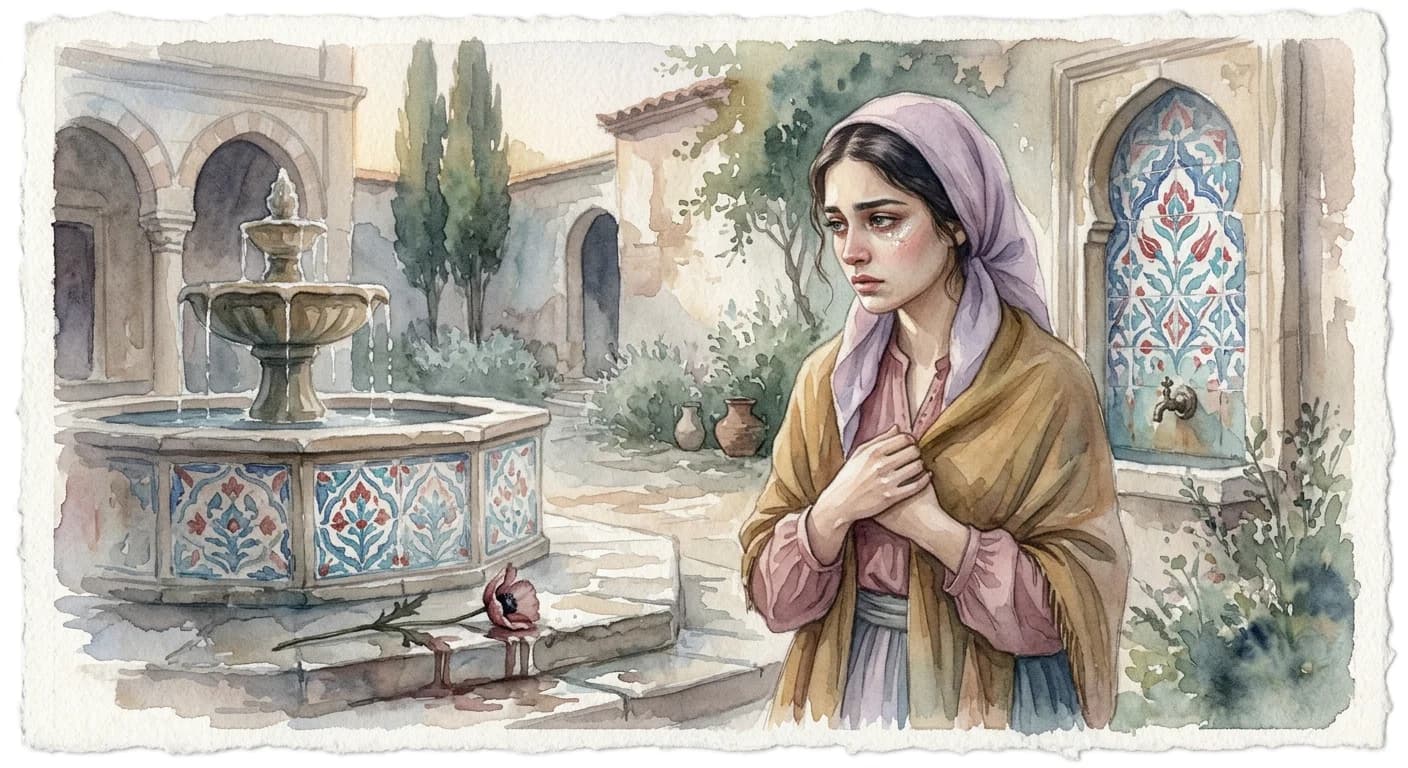
    Artistic representation of Tok gözlü
    Turkish•
    🇹🇷Turkey

    Tok gözlü

    /TOK GUHZ-loo/

    Meaning

    Literally translating to 'glass-eyed,' "Tok gözlü" vividly describes an individual whose disposition is akin to fragile glass, easily shattered by sudden stimuli. It encapsulates a profound jumpiness, a nervous tremor that manifests as an exaggerated reaction to unexpected noises or events. This person is not merely timid, but possesses a delicate constitution, their composure easily fractured, leaving them flustered and prone to panic in moments of surprise. It paints a picture of vulnerability, where the eyes, often seen as windows to the soul, reflect an inner fragility.

    Literal Translation

    Glass-eyed

    The Story Behind the Word

    The concept of "Tok gözlü" is deeply rooted in Turkish cultural observations of human temperament, where nuanced descriptions of personality traits are highly valued. Its existence speaks to a society that keenly observes and categorizes human reactions, recognizing distinct patterns of vulnerability. The imagery of 'glass eyes' suggests a perceived lack of resilience or an inherent sensitivity, perhaps hinting at a societal appreciation for stoicism or controlled reactions. It reflects a cultural understanding that some individuals are simply built with a more delicate nervous system, prone to being startled, and this trait is acknowledged and named rather than dismissed as mere timidity. This word reveals a culture that pays close attention to the subtle indicators of emotional and physical responsiveness, often linking outward expressions to deeper, innate characteristics.

    Experience It

    Sudden Door Slam

    A sudden, unexpected slam of a door echoed through the quiet office. Ayşe, who was engrossed in her work, visibly jumped, letting out a small shriek and clutching her chest. Her colleague, smiling gently, remarked, "Ah, Ayşe, you're so tok gözlü sometimes, aren't you?"

    Unexpected Firework

    During a neighborhood celebration, a firework unexpectedly burst overhead. Little Emre, who had been playing calmly, instantly froze, his eyes wide with fear, and began to cry. His grandmother scooped him up, murmuring, "My poor tok gözlü boy, it's just a firework."

    The Deeper Meaning

    This word reveals a cultural philosophy that acknowledges and names specific human vulnerabilities as inherent traits, rather than simply as temporary states. It suggests an understanding that some individuals possess a delicate inner framework, easily perturbed by the external world. It highlights a nuanced perception of courage and fear, recognizing that an individual's capacity for composure under duress can be an intrinsic part of their being, reflected in even the most subtle physical reactions.

    Did You Know?

    While literally 'glass-eyed,' the term has no connection to actual glass prosthetics or any medical condition, purely serving as a metaphor for a nervous disposition.

    How It's Used

    Used to describe someone who is easily frightened, timid, or prone to panic when startled by a sudden noise or event.

    Emotions
    anxiety,fear
    Contexts
    daily life,social interaction
    🇹🇷Turkey

    by Sofia Rossi·Written Mar 10, 2026·Updated Apr 3, 2026

    Related Words

    Explore more
    TarofPersian

    Tarof is a deeply ingrained Iranian social custom, a delicate dance of politeness and deference where individuals engage in an elaborate exchange of offers and refusals. It's a performative humility, a way of showing respect and avoiding imposing, often involving multiple cycles of insistence and polite decline before a genuine acceptance or refusal is reached. This intricate ritual governs interactions from sharing food to paying bills, creating a nuanced social ballet.

    TarabArabic

    Tarab is far more than mere enjoyment; it's a profound, almost spiritual communion with music, where the performer and audience become one in a shared emotional journey. It signifies a state of ecstatic enchantment, a deep emotional surrender that transcends the self, leading to a transformative experience. This intense connection often manifests as spontaneous vocalizations, tears, or even physical swaying, as the music penetrates the soul and evokes a powerful release of feeling. It's a moment of pure, unadulterated musical rapture.

    KeyifTurkish

    Keyif is a profound state of unhurried, mindful enjoyment, a deliberate savoring of the present moment without urgency or expectation. It's not merely relaxation, but an active engagement with the simple pleasures of life, finding contentment in the sensory details of a warm cup of tea, the gentle breeze, or a quiet conversation. It embodies a serene acceptance of 'what is,' fostering an inner peace that makes even mundane activities feel like a small celebration.

    FremdschämenGerman

    Fremdschämen captures the acute, almost visceral discomfort one experiences when witnessing another person's embarrassing actions, as if their mortification were your own. It's the involuntary cringe, the desire to disappear or intervene, sparked by a profound sense of social empathy and a keen awareness of unspoken social codes being flagrantly violated. This feeling transcends mere pity, becoming a shared, albeit vicarious, burden of shame that highlights the intricate web of social expectations and their emotional consequences.