U.
HomeRegionsLanguagesEmotionsCollections
Find Your Word

“The limits of my language mean the limits of my world.”

— Ludwig Wittgenstein, Philosopher

Untranslatable

A curated collection of the world's most beautiful expressions—words that remind us language is humanity's greatest invention.

  • Home
  • Collections
  • Regions
  • Countries
  • Emotions
  • Tags
  • Contexts
  • Finder
  • Europe
  • Asia
  • Americas
  • Africa
  • Middle East
  • About
  • Contact
  • Privacy Policy
  • Terms of Service

2026 © Untranslatable. All rights reserved.

    /
    /
    1. Home
    2. /
    3. Middle East
    4. /
    5. Parnassa
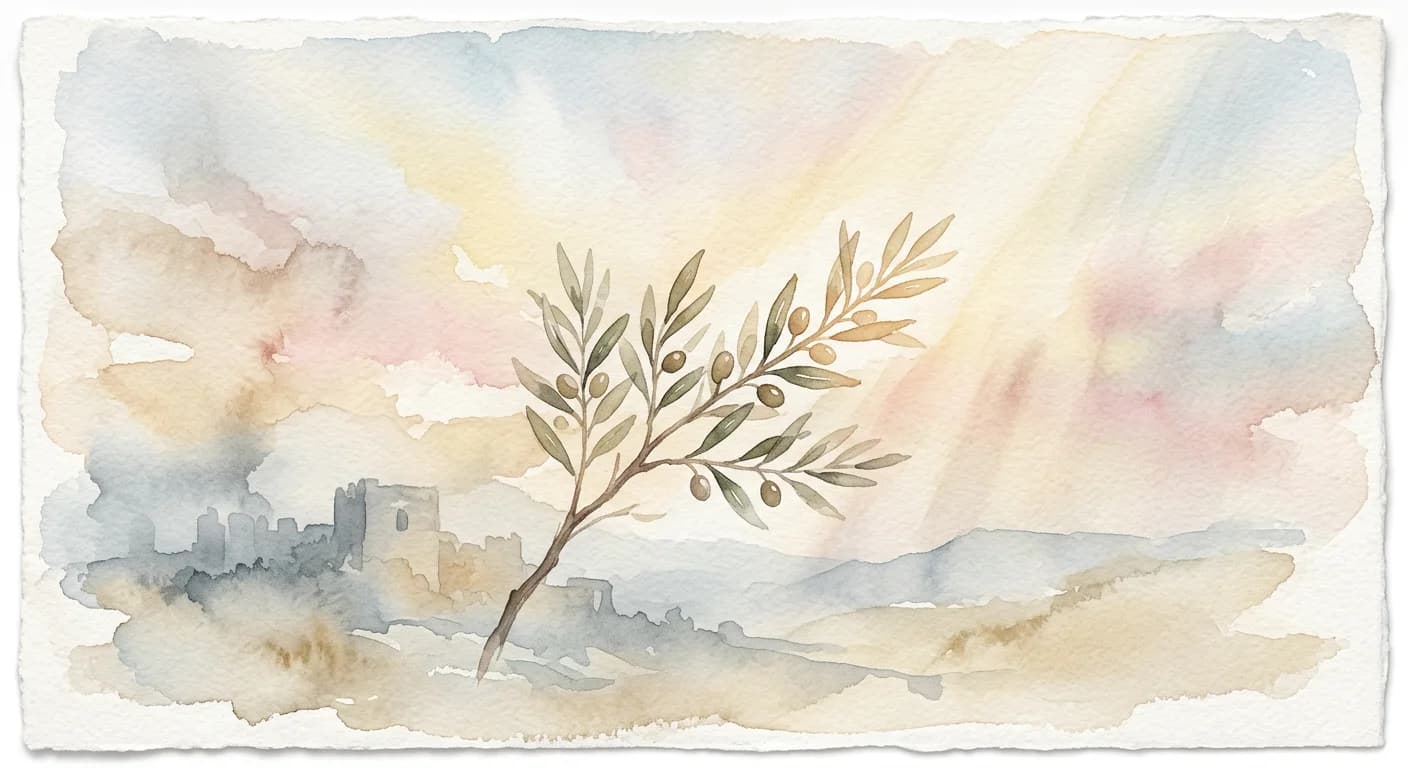
    Artistic representation of Parnassa
    Hebrew•
    🇮🇱Israel

    Parnassa

    /par-NAH-sah/

    Meaning

    Parnassa transcends mere livelihood, referring to the holistic divine sustenance that God graciously provides for all beings. It encompasses not only material necessities like food, shelter, and financial stability, but also the spiritual tranquility, good health, and emotional well-being essential for a truly flourishing existence. This profound concept cultivates a deep-seated faith and gratitude, underscoring that while human effort is vital, ultimate provision is a benevolent gift from a higher power, fostering a sense of trust in a divinely ordered world.

    Literal Translation

    Providence, sustenance

    The Story Behind the Word

    The concept of Parnassa is deeply embedded in Jewish thought, tracing its roots to biblical passages emphasizing God's role as provider (e.g., Psalms 104, Deuteronomy 8:18). It’s a foundational belief that shapes the Jewish worldview, suggesting that one's success is not solely a product of individual merit or luck, but a blessing from above. This perspective encourages a balance between diligent effort (histadlut) and absolute faith (bitachon) in divine providence. In Israeli culture, which is heavily influenced by Jewish traditions, Parnassa signifies a collective acknowledgement of this spiritual partnership in daily life. It reflects a society that, despite its modern advancements and challenges, often defaults to a spiritual lens when contemplating economic stability and personal welfare, reinforcing community bonds through shared prayer and blessings for sustenance.

    Experience It

    Blessing a New Venture

    Sarah felt anxious about opening her new bakery. Her grandmother, seeing her worry, gently placed a hand on hers and said, 'Don't fret, my dear. Do your best, and may God grant you much parnassa.' This brought Sarah a sense of calm, knowing that beyond her efforts, there was a hope for divine support.

    Gratitude for Sustenance

    After a challenging year, David finally landed a stable job that allowed him to provide comfortably for his family. At the Shabbat meal, he looked around at his loved ones and quietly offered a silent prayer of thanks for the parnassa, acknowledging the blessing of his livelihood.

    The Deeper Meaning

    Parnassa reveals a worldview where the material and spiritual are intrinsically linked, and human existence is viewed through the lens of divine benevolence. It challenges purely secular notions of self-reliance, positing that ultimate security and well-being stem from a cosmic order. This fosters humility, gratitude, and a sense of interconnectedness with a higher purpose, suggesting that true wealth encompasses far more than monetary gain.

    Did You Know?

    In many Jewish communities, there's a traditional prayer or blessing specifically recited for parnassa, often asking for an 'easy' or 'blessed' livelihood, highlighting its importance beyond mere income.

    How It's Used

    Used in religious and everyday conversations in Israel to refer to God's provision for livelihood and life.

    Emotions
    belonging,gratitude,hope,peace
    Contexts
    dining,family,work
    🇮🇱Israel

    by Annelise Dubois·Written Mar 10, 2026·Updated Apr 3, 2026

    Related Words

    Explore more
    Dolce far nienteItalian

    Dolce far niente captures the profound joy and effortless pleasure derived from simply existing without obligation or purpose. It's the art of savoring moments of pure, unadulterated idleness – lying in the sun, watching the clouds drift, or enjoying a leisurely coffee – not as a break from work, but as a valuable state in itself. This 'sweetness of doing nothing' is a conscious embrace of stillness and contentment, allowing the soul to breathe and the senses to fully engage with the present.

    SobremesaSpanish

    Sobremesa is the cherished, often extended period immediately following a meal, particularly lunch or dinner, where diners remain seated at the table to enjoy conversation, coffee, and digest not just the food, but the company itself. It’s a dedicated time for unhurried social bonding, storytelling, and shared laughter, transforming a simple meal into a profound communal experience. Far from just clearing the dishes, sobremesa is an integral part of Spanish social life, often lasting for hours.

    Pura vidaSpanish

    More than just 'pure life,' "Pura vida" encapsulates a profound philosophy of embracing the present moment with unwavering optimism and gratitude. It's a daily commitment to finding joy in simple pleasures, accepting life's challenges with a positive spirit, and prioritizing well-being over material possessions. This ubiquitous phrase reflects a national identity built on resilience, community, and an deep appreciation for nature's bounty.

    UbuntuZulu/Xhosa

    Ubuntu is a profound African philosophy that translates to 'I am because we are,' signifying that an individual's humanity is inextricably linked to the humanity of others. It embodies the belief that our existence and well-being are deeply intertwined with the community. This concept emphasizes compassion, reciprocity, dignity, and the understanding that true fulfillment is found not in isolation, but through collective flourishing and mutual support. It's a call to recognize and affirm the humanity in everyone, fostering a sense of interconnectedness.