U.
HomeRegionsLanguagesEmotionsCollections
Find Your Word

“The limits of my language mean the limits of my world.”

— Ludwig Wittgenstein, Philosopher

Untranslatable

A curated collection of the world's most beautiful expressions—words that remind us language is humanity's greatest invention.

  • Home
  • Collections
  • Regions
  • Countries
  • Emotions
  • Tags
  • Contexts
  • Finder
  • Europe
  • Asia
  • Americas
  • Africa
  • Middle East
  • About
  • Contact
  • Privacy Policy
  • Terms of Service

2026 © Untranslatable. All rights reserved.

    /
    /
    1. Home
    2. /
    3. Middle East
    4. /
    5. Tikkun Olam
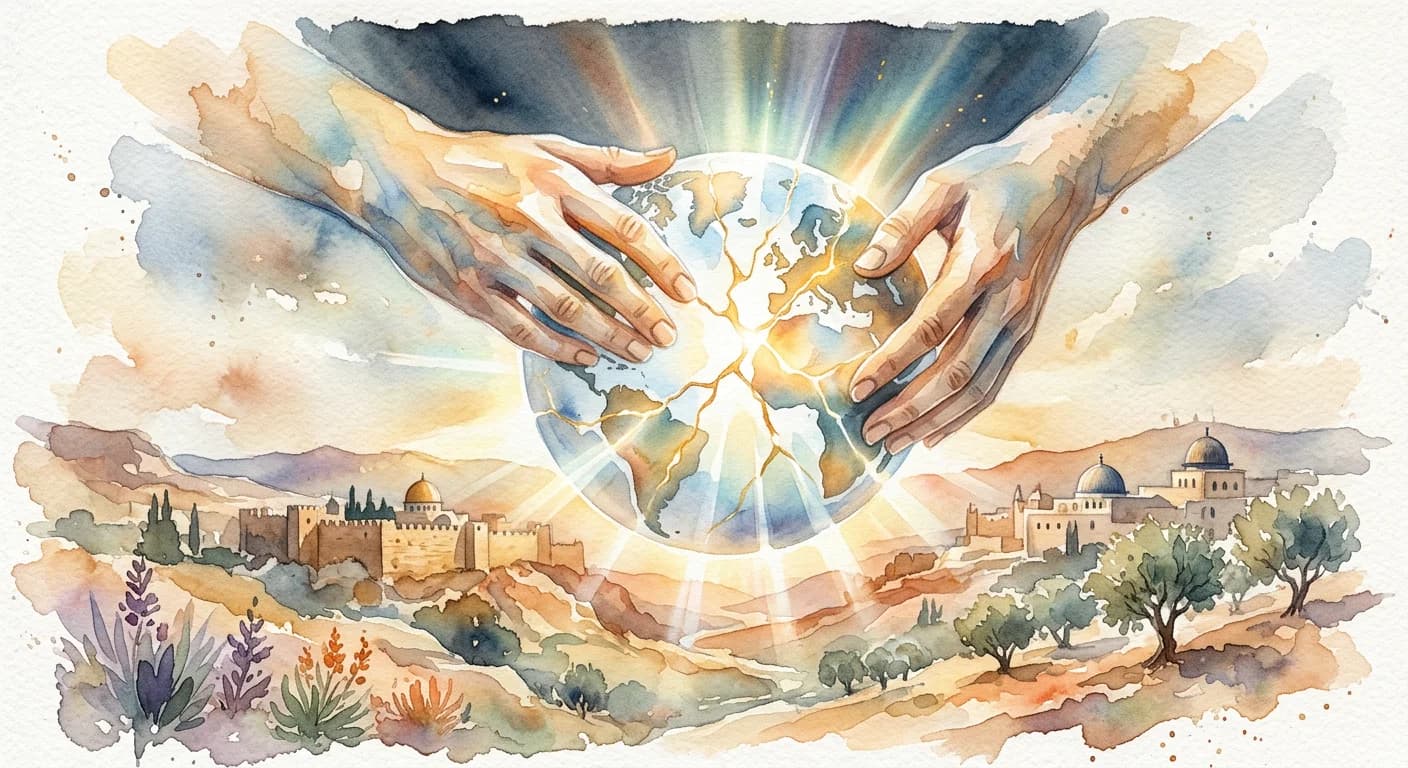
    Artistic representation of Tikkun Olam
    Hebrew•
    🇮🇱Israel

    Tikkun Olam

    /tik-KOON oh-LAHM/

    Meaning

    Tikkun Olam transcends simple charity, embodying a profound spiritual and ethical imperative within Judaism: the ongoing, active repair of a world understood to be inherently imperfect and in need of human partnership with the Divine. It calls for individuals and communities to mend societal brokenness, alleviate suffering, and establish justice through conscious action. This concept transforms every act of kindness and social activism into a sacred task, reflecting a deep-seated belief that humanity holds a vital role in perfecting creation.

    Literal Translation

    Repair of the world

    The Story Behind the Word

    The concept of Tikkun Olam has ancient roots, appearing in the Mishnah and later becoming central in Kabbalistic thought, particularly in the Lurianic Kabbalah of the 16th century. Here, it describes the cosmic task of restoring the shattered 'vessels' of divine light, scattered during creation, through human deeds. This mystical idea was later reinterpreted in modern Jewish movements, especially Reform Judaism, to emphasize social action and justice. It reveals a worldview where humanity is not a passive observer but an indispensable co-creator with God, tasked with actively bringing about a more perfect and just world. This ethos instills a profound sense of responsibility and purpose, framing ethical conduct and community engagement as not merely good deeds, but essential acts of cosmic restoration.

    Experience It

    Community Garden Project

    A group of synagogue members dedicates their weekends to transforming an abandoned lot into a vibrant community garden. They see this not just as beautification, but as a direct act of Tikkun Olam, addressing food insecurity, fostering community bonds, and stewarding the earth.

    Advocating for Change

    Sarah, a young activist, spends her evenings researching and lobbying for legislation that protects vulnerable populations. For her, this political engagement is a modern expression of Tikkun Olam, working to correct systemic injustices and create a more equitable society for all.

    The Deeper Meaning

    Tikkun Olam posits a dynamic, unfinished creation, requiring human agency to reach its potential. It rejects fatalism, instead empowering individuals with a divine mandate to actively shape the world towards justice, compassion, and wholeness. This belief underscores an optimistic and action-oriented philosophy where ethical living is intrinsically linked to cosmic repair.

    Did You Know?

    While ancient, the widespread popularization of Tikkun Olam as a central tenet for social justice in modern Judaism is a relatively recent phenomenon, gaining significant traction in the 20th century.

    How It's Used

    This phrase is used in Jewish philosophy, ethics, and social justice contexts to describe the obligation to improve the world through acts of kindness, social action, and repair of communal and global issues.

    Emotions
    belonging,gratitude,hope
    Contexts
    community,philosophy,social interaction,work
    🇮🇱Israel

    by Sofia Rossi·Written Mar 10, 2026·Updated Apr 3, 2026

    Related Words

    Explore more
    SobremesaSpanish

    Sobremesa is the cherished, often extended period immediately following a meal, particularly lunch or dinner, where diners remain seated at the table to enjoy conversation, coffee, and digest not just the food, but the company itself. It’s a dedicated time for unhurried social bonding, storytelling, and shared laughter, transforming a simple meal into a profound communal experience. Far from just clearing the dishes, sobremesa is an integral part of Spanish social life, often lasting for hours.

    Pura vidaSpanish

    More than just 'pure life,' "Pura vida" encapsulates a profound philosophy of embracing the present moment with unwavering optimism and gratitude. It's a daily commitment to finding joy in simple pleasures, accepting life's challenges with a positive spirit, and prioritizing well-being over material possessions. This ubiquitous phrase reflects a national identity built on resilience, community, and an deep appreciation for nature's bounty.

    UbuntuZulu/Xhosa

    Ubuntu is a profound African philosophy that translates to 'I am because we are,' signifying that an individual's humanity is inextricably linked to the humanity of others. It embodies the belief that our existence and well-being are deeply intertwined with the community. This concept emphasizes compassion, reciprocity, dignity, and the understanding that true fulfillment is found not in isolation, but through collective flourishing and mutual support. It's a call to recognize and affirm the humanity in everyone, fostering a sense of interconnectedness.

    TarofPersian

    Tarof is a deeply ingrained Iranian social custom, a delicate dance of politeness and deference where individuals engage in an elaborate exchange of offers and refusals. It's a performative humility, a way of showing respect and avoiding imposing, often involving multiple cycles of insistence and polite decline before a genuine acceptance or refusal is reached. This intricate ritual governs interactions from sharing food to paying bills, creating a nuanced social ballet.