U.
HomeRegionsLanguagesEmotionsCollections
Find Your Word

“The limits of my language mean the limits of my world.”

— Ludwig Wittgenstein, Philosopher

Untranslatable

A curated collection of the world's most beautiful expressions—words that remind us language is humanity's greatest invention.

  • Home
  • Collections
  • Regions
  • Countries
  • Emotions
  • Tags
  • Contexts
  • Finder
  • Europe
  • Asia
  • Americas
  • Africa
  • Middle East
  • About
  • Contact
  • Privacy Policy
  • Terms of Service

2026 © Untranslatable. All rights reserved.

    /
    /
    1. Home
    2. /
    3. Middle East
    4. /
    5. Kibbutz
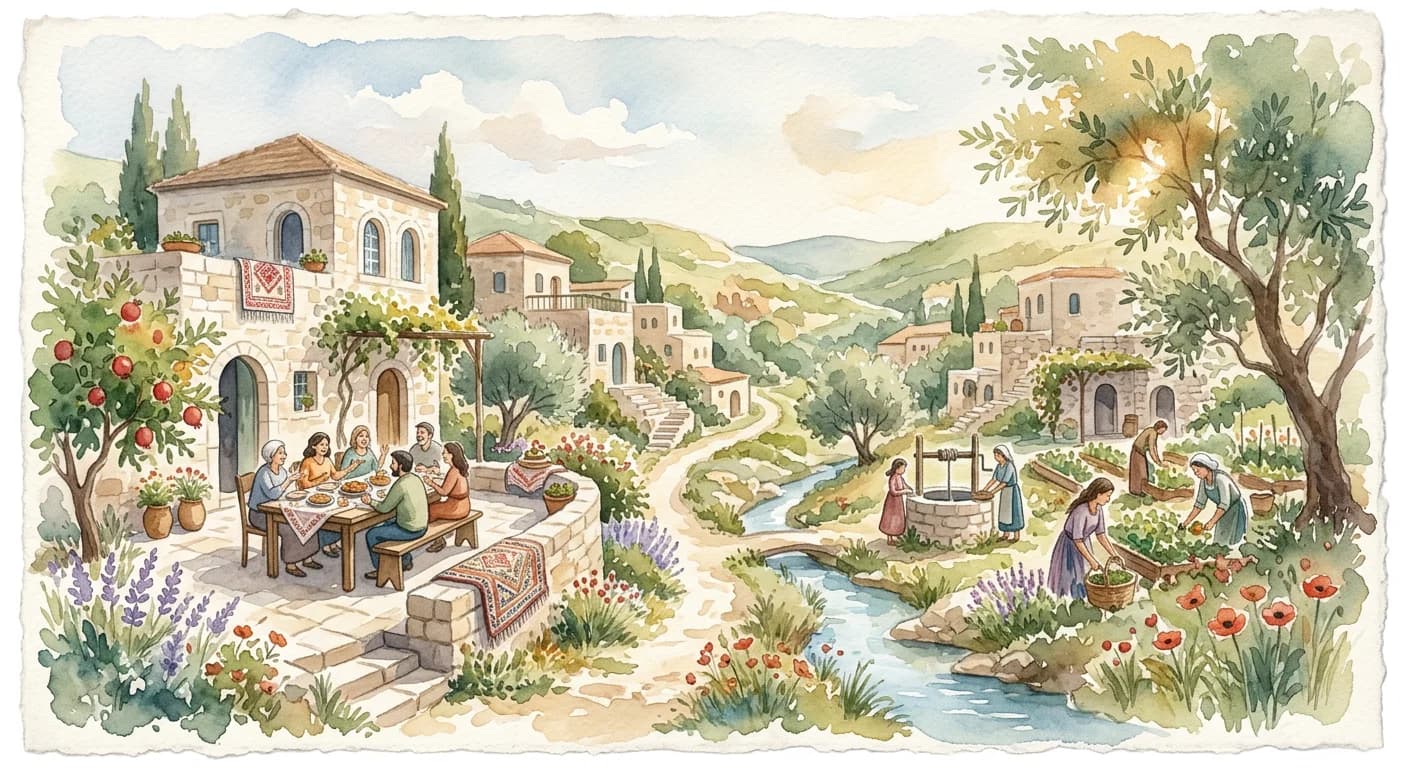
    Artistic representation of Kibbutz
    Hebrew•
    🇮🇱Israel

    Kibbutz

    /ki-BOOTS/

    Meaning

    A Kibbutz is far more than just a collective farm; it's a vibrant social experiment born from Zionist ideals and socialist principles, representing a profound commitment to communal living. It embodies a shared destiny where property, labor, and resources are pooled, fostering an intense sense of belonging and mutual responsibility. This unique Israeli institution champions the well-being of the collective above individual gain, shaping both the landscape and the ethos of the nation.

    Literal Translation

    gathering / clustering

    The Story Behind the Word

    The Kibbutz emerged from the early 20th-century Zionist pioneering spirit, driven by the need to build a new society and reclaim the land in Palestine. Its founders, often Eastern European Jewish immigrants, sought to create an egalitarian society free from the perceived corruptions of capitalism and traditional class structures. It was a radical vision of self-sufficiency, social justice, and collective action, deeply intertwined with the establishment and defense of the State of Israel. The Kibbutz movement symbolized the 'new Jew' – strong, agricultural, and communally oriented. It reveals a worldview where collective effort and shared sacrifice are paramount for national and social redemption, believing that through communal living, individuals could achieve their fullest potential while contributing to a greater cause.

    Experience It

    A New Member Arrives

    Sarah, a young idealist, arrived at Kibbutz Beit HaEmek. She was immediately struck by the communal dining hall, where all members ate together, and the children's house, where kids were raised collectively, embodying the Kibbutz's deep commitment to shared responsibility and family.

    Kibbutz Meeting Debate

    During the weekly general assembly, members of Kibbutz Sde Boker debated the allocation of new agricultural machinery. The discussion was passionate, yet respectful, as everyone understood that the decision would impact the entire community and required a consensus for the collective good.

    The Deeper Meaning

    The Kibbutz embodies a profound philosophical commitment to collectivism and egalitarianism, challenging individualistic notions of success and ownership. It posits that true fulfillment and societal progress are achieved not through competition, but through mutual aid, shared labor, and a deep sense of communal purpose, where the welfare of the group supersedes personal ambition.

    Did You Know?

    At its peak in the 1970s, Kibbutzim produced a significant portion of Israel's agricultural output and many of its political and military leaders, despite comprising only a small percentage of the population.

    How It's Used

    The term 'Kibbutz' is used to refer to the communal settlement itself, as well as the collective lifestyle and social structure characteristic of these communities. It is used in discussions about Israeli society, history, and its unique social experiments.

    Emotions
    belonging,gratitude,peace
    Contexts
    community,daily life,work
    🇮🇱Israel

    by Sofia Rossi·Written Mar 10, 2026·Updated Apr 3, 2026

    Related Words

    Explore more
    Dolce far nienteItalian

    Dolce far niente captures the profound joy and effortless pleasure derived from simply existing without obligation or purpose. It's the art of savoring moments of pure, unadulterated idleness – lying in the sun, watching the clouds drift, or enjoying a leisurely coffee – not as a break from work, but as a valuable state in itself. This 'sweetness of doing nothing' is a conscious embrace of stillness and contentment, allowing the soul to breathe and the senses to fully engage with the present.

    SobremesaSpanish

    Sobremesa is the cherished, often extended period immediately following a meal, particularly lunch or dinner, where diners remain seated at the table to enjoy conversation, coffee, and digest not just the food, but the company itself. It’s a dedicated time for unhurried social bonding, storytelling, and shared laughter, transforming a simple meal into a profound communal experience. Far from just clearing the dishes, sobremesa is an integral part of Spanish social life, often lasting for hours.

    Pura vidaSpanish

    More than just 'pure life,' "Pura vida" encapsulates a profound philosophy of embracing the present moment with unwavering optimism and gratitude. It's a daily commitment to finding joy in simple pleasures, accepting life's challenges with a positive spirit, and prioritizing well-being over material possessions. This ubiquitous phrase reflects a national identity built on resilience, community, and an deep appreciation for nature's bounty.

    UbuntuZulu/Xhosa

    Ubuntu is a profound African philosophy that translates to 'I am because we are,' signifying that an individual's humanity is inextricably linked to the humanity of others. It embodies the belief that our existence and well-being are deeply intertwined with the community. This concept emphasizes compassion, reciprocity, dignity, and the understanding that true fulfillment is found not in isolation, but through collective flourishing and mutual support. It's a call to recognize and affirm the humanity in everyone, fostering a sense of interconnectedness.