U.
HomeRegionsLanguagesEmotionsCollections
Find Your Word

“The limits of my language mean the limits of my world.”

— Ludwig Wittgenstein, Philosopher

Untranslatable

A curated collection of the world's most beautiful expressions—words that remind us language is humanity's greatest invention.

  • Home
  • Collections
  • Regions
  • Countries
  • Emotions
  • Tags
  • Contexts
  • Finder
  • Europe
  • Asia
  • Americas
  • Africa
  • Middle East
  • About
  • Contact
  • Privacy Policy
  • Terms of Service

2026 © Untranslatable. All rights reserved.

    /
    /
    1. Home
    2. /
    3. Middle East
    4. /
    5. Yerida
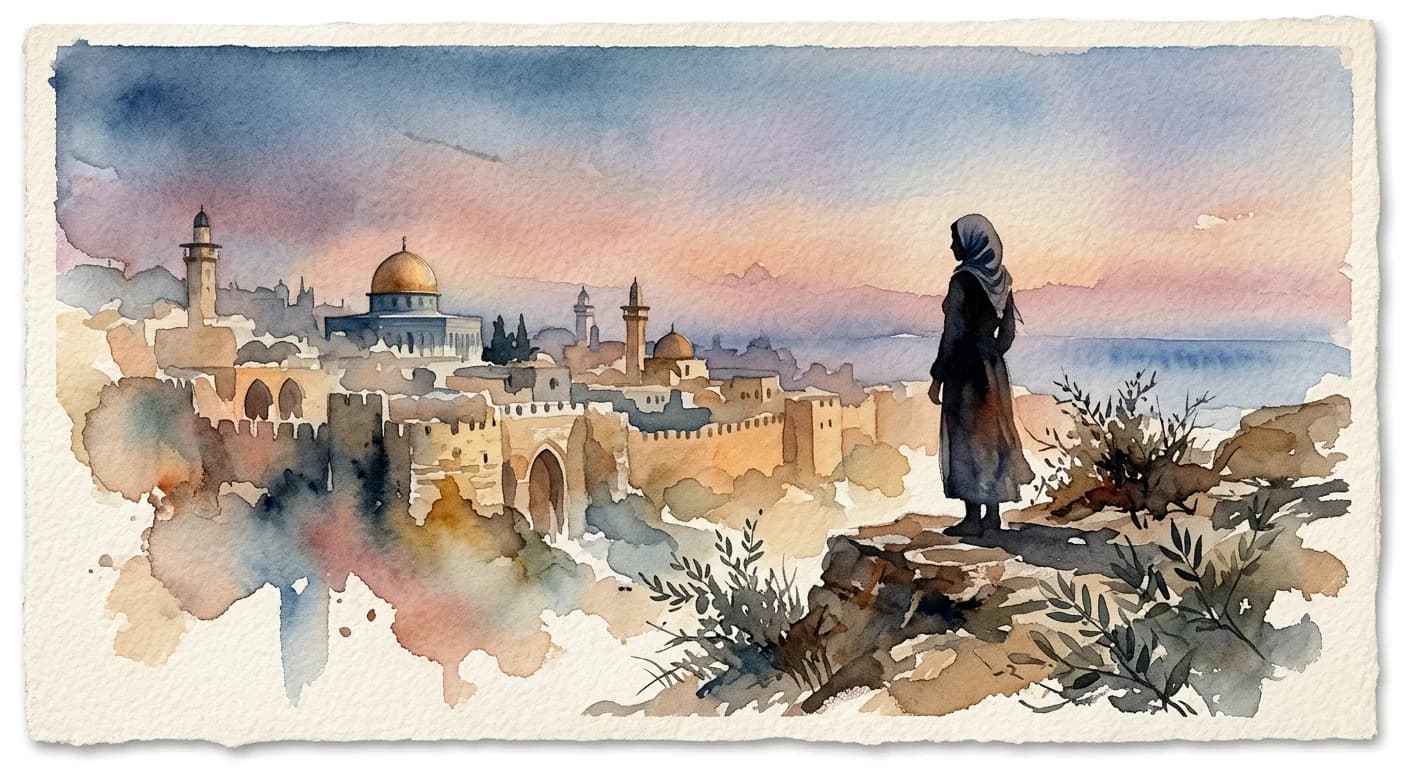
    Artistic representation of Yerida
    Hebrew•
    🇮🇱Israel

    Yerida

    /yeh-ree-DAH/

    Meaning

    Yerida signifies the profound act of emigration from Israel by an Israeli citizen, carrying a heavy emotional resonance that extends beyond mere relocation. It's a 'descent' not just geographically, but often spiritually and communally, implying a bittersweet departure from a land deeply intertwined with one's identity and heritage. This term encapsulates the complex feelings of seeking new horizons while grappling with the loss and longing for the homeland, a place of belonging that continues to exert a powerful pull.

    Literal Translation

    Descent, going down

    The Story Behind the Word

    The existence and emotional weight of 'Yerida' are deeply rooted in Zionist ideology and Jewish history, particularly the concept of Aliyah (ascension, immigration to Israel). Aliyah is considered a spiritual and national fulfillment, making its inverse, Yerida, a symbolic 'descent' or even a betrayal of this ideal. For a people who have yearned for generations to return to their homeland, choosing to leave it carries immense cultural and historical baggage. It reflects a societal expectation for Jews, especially Israelis, to reside in Israel, viewing departure not just as a personal choice but as a diminishing of the collective national project. This tension reveals a profound connection to land and national purpose unique to Israeli identity.

    Experience It

    A Difficult Farewell

    Sarah packed her last box, a knot in her stomach. Her parents, though supportive of her career ambitions abroad, couldn't hide the sadness in their eyes. 'Are you really making Yerida?' her grandmother had asked, the question heavy with unspoken disappointment.

    Debating the Move

    David and his wife argued late into the night about moving to Berlin for a job opportunity. 'It feels like Yerida,' he confessed, 'like we're giving up on something important here.' She countered, 'It's not a descent, it's an opportunity for our children's future.'

    The Deeper Meaning

    The word 'Yerida' reveals a worldview where national identity and physical presence in the homeland are intrinsically linked to one's spiritual and communal standing. It underscores a collective ethos forged through centuries of exile and the Zionist dream of return, where leaving the land is not merely a geographic relocation but a symbolic departure from a core tenet of national existence. It speaks to the ongoing tension between individual aspiration and collective destiny within Israeli society.

    Did You Know?

    While 'Aliyah' (immigration to Israel) is seen as an 'ascension,' the term 'Yerida' (emigration from Israel) literally means 'descent,' highlighting the perceived spiritual and national significance of living in the Jewish homeland.

    How It's Used

    Used to describe Israelis who have moved abroad, often permanently. It is not typically used for Israelis who are temporarily abroad for study or work but implies a more settled emigration.

    Emotions
    bittersweet,longing,melancholy,nostalgia
    Contexts
    family,farewell,travel
    🇮🇱Israel

    by Sofia Rossi·Written Mar 10, 2026·Updated Apr 3, 2026

    Related Words

    Explore more
    SaudadePortuguese

    Saudade encapsulates a profound, melancholic longing for something or someone cherished that is absent, often with the bittersweet knowledge that it may never return. It's a deep emotional state tinged with nostalgia, evoking a sense of loss for past experiences, places, or people, yet also holding a tender appreciation for the beauty of what once was. This yearning is not merely sadness, but a complex tapestry of desire, memory, and a poignant acceptance of absence, holding the beloved in a warm, persistent embrace within the heart.

    MamihlapinatapaiYaghan

    Mamihlapinatapai encapsulates that profound, unspoken moment when two individuals lock eyes, each silently acknowledging a mutual desire or intention, yet both hesitate to be the first to act upon it. It's a delicate dance of anticipation, a shared gaze brimming with common understanding and a quiet longing for the other to break the ice. This intricate look carries the weight of a shared, uninitiated potential, a silent conversation where both parties are perfectly aware of what could happen, but neither makes the first move.

    TarofPersian

    Tarof is a deeply ingrained Iranian social custom, a delicate dance of politeness and deference where individuals engage in an elaborate exchange of offers and refusals. It's a performative humility, a way of showing respect and avoiding imposing, often involving multiple cycles of insistence and polite decline before a genuine acceptance or refusal is reached. This intricate ritual governs interactions from sharing food to paying bills, creating a nuanced social ballet.

    TarabArabic

    Tarab is far more than mere enjoyment; it's a profound, almost spiritual communion with music, where the performer and audience become one in a shared emotional journey. It signifies a state of ecstatic enchantment, a deep emotional surrender that transcends the self, leading to a transformative experience. This intense connection often manifests as spontaneous vocalizations, tears, or even physical swaying, as the music penetrates the soul and evokes a powerful release of feeling. It's a moment of pure, unadulterated musical rapture.