U.
HomeRegionsLanguagesEmotionsCollections
Find Your Word

“The limits of my language mean the limits of my world.”

— Ludwig Wittgenstein, Philosopher

Untranslatable

A curated collection of the world's most beautiful expressions—words that remind us language is humanity's greatest invention.

  • Home
  • Collections
  • Regions
  • Countries
  • Emotions
  • Tags
  • Contexts
  • Finder
  • Europe
  • Asia
  • Americas
  • Africa
  • Middle East
  • About
  • Contact
  • Privacy Policy
  • Terms of Service

2026 © Untranslatable. All rights reserved.

    /
    /
    1. Home
    2. /
    3. Middle East
    4. /
    5. Tzedakah
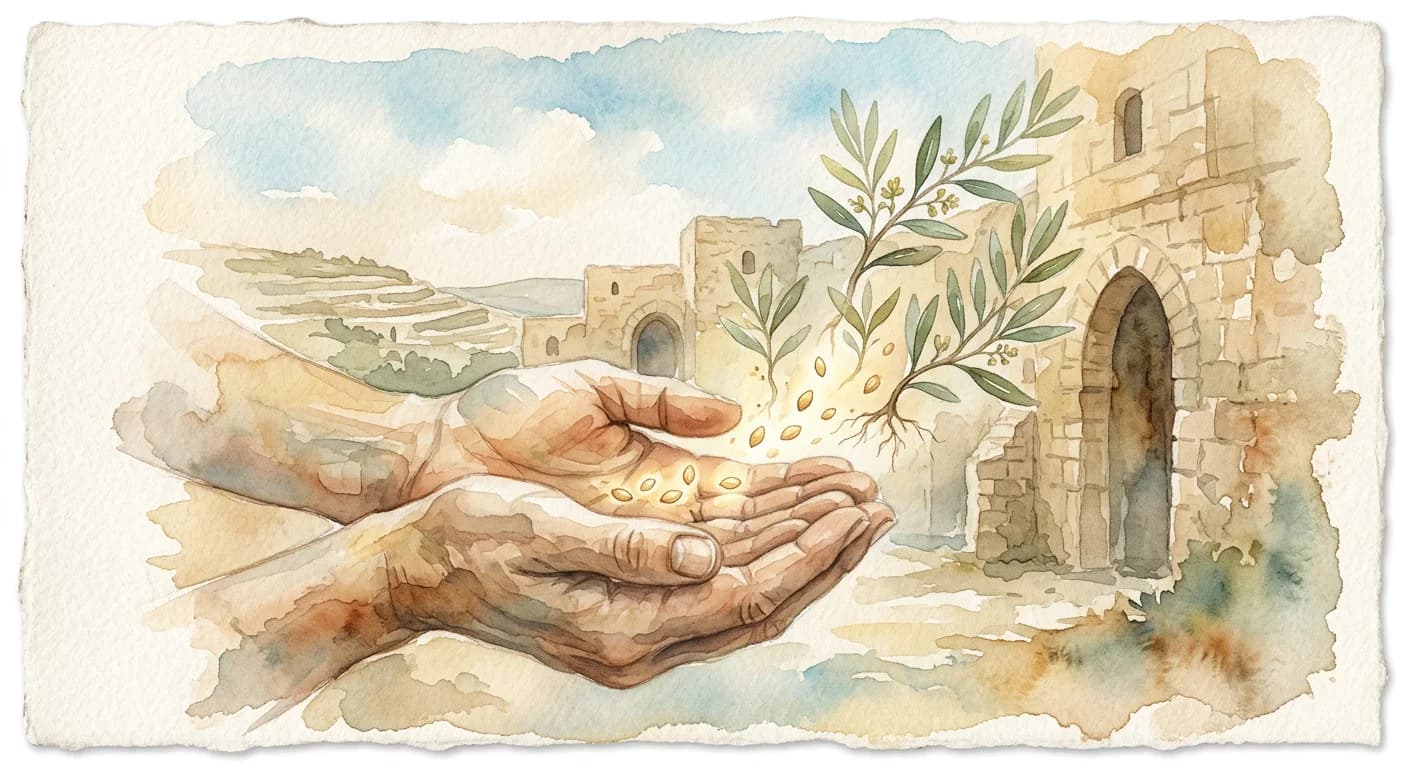
    Artistic representation of Tzedakah
    Hebrew•
    🇮🇱Israel

    Tzedakah

    /Tzed-uh-kah/

    Meaning

    Tzedakah transcends mere 'charity'; it embodies a core Jewish principle of 'righteousness' and 'justice'. It's not a voluntary act of benevolence, but a sacred obligation rooted in the belief that all possessions ultimately belong to God, and humans are merely stewards. Giving tzedakah is an active participation in repairing the world (tikkun olam), ensuring societal balance, and upholding the dignity of all individuals within the community. It's about restoring what is rightfully due, not simply giving away surplus.

    Literal Translation

    Righteousness, justice

    The Story Behind the Word

    The concept of tzedakah is deeply woven into the fabric of Jewish life and thought, appearing throughout the Torah and rabbinic literature. Unlike Western notions of charity, which often imply a benefactor and a recipient, tzedakah posits that giving is a divine commandment and an act of justice. It reflects a worldview where social responsibility is paramount, and the community is interconnected. The very word 'tzedakah' shares its root with 'tzedek' (justice), highlighting that providing for the needy isn't optional kindness, but a fundamental right of the recipient and an obligation of the giver. This perspective has historically fostered robust communal support systems and a strong emphasis on collective welfare, shaping Jewish communal organizations for millennia.

    Experience It

    Weekly Synagogue Collection

    Every Shabbat, families at the synagogue contribute a small sum to the tzedakah box. It's a quiet, consistent act, instilling in children from a young age the importance of their ongoing responsibility to support the less fortunate, not just in times of crisis but as a regular part of their lives.

    Supporting a Needy Family

    When a family in the community falls on hard times due to illness, local Jewish organizations discreetly pool resources from individual donors. This tzedakah ensures their rent is paid and groceries are provided, allowing them to maintain their dignity without feeling like recipients of charity, but rather beneficiaries of communal justice.

    The Deeper Meaning

    Tzedakah reveals a profound philosophy where human beings are not absolute owners but custodians of resources, tasked with using them justly to maintain a righteous society. It challenges the notion of individual wealth as solely earned, instead framing it within a divine framework of obligation and interconnectedness. This worldview fosters a continuous ethical engagement with the world, emphasizing collective responsibility and the inherent dignity of every person.

    Did You Know?

    There are different levels of tzedakah, with the highest form being helping someone become self-sufficient, thereby removing the need for them to rely on others.

    How It's Used

    Tzedakah is used in the context of charitable giving, social justice initiatives, and fulfilling religious obligations within the Jewish community.

    Emotions
    belonging,gratitude
    Contexts
    community,family,work
    🇮🇱Israel

    by Annelise Dubois·Written Mar 10, 2026·Updated Apr 3, 2026

    Related Words

    Explore more
    SobremesaSpanish

    Sobremesa is the cherished, often extended period immediately following a meal, particularly lunch or dinner, where diners remain seated at the table to enjoy conversation, coffee, and digest not just the food, but the company itself. It’s a dedicated time for unhurried social bonding, storytelling, and shared laughter, transforming a simple meal into a profound communal experience. Far from just clearing the dishes, sobremesa is an integral part of Spanish social life, often lasting for hours.

    Pura vidaSpanish

    More than just 'pure life,' "Pura vida" encapsulates a profound philosophy of embracing the present moment with unwavering optimism and gratitude. It's a daily commitment to finding joy in simple pleasures, accepting life's challenges with a positive spirit, and prioritizing well-being over material possessions. This ubiquitous phrase reflects a national identity built on resilience, community, and an deep appreciation for nature's bounty.

    UbuntuZulu/Xhosa

    Ubuntu is a profound African philosophy that translates to 'I am because we are,' signifying that an individual's humanity is inextricably linked to the humanity of others. It embodies the belief that our existence and well-being are deeply intertwined with the community. This concept emphasizes compassion, reciprocity, dignity, and the understanding that true fulfillment is found not in isolation, but through collective flourishing and mutual support. It's a call to recognize and affirm the humanity in everyone, fostering a sense of interconnectedness.

    TarofPersian

    Tarof is a deeply ingrained Iranian social custom, a delicate dance of politeness and deference where individuals engage in an elaborate exchange of offers and refusals. It's a performative humility, a way of showing respect and avoiding imposing, often involving multiple cycles of insistence and polite decline before a genuine acceptance or refusal is reached. This intricate ritual governs interactions from sharing food to paying bills, creating a nuanced social ballet.