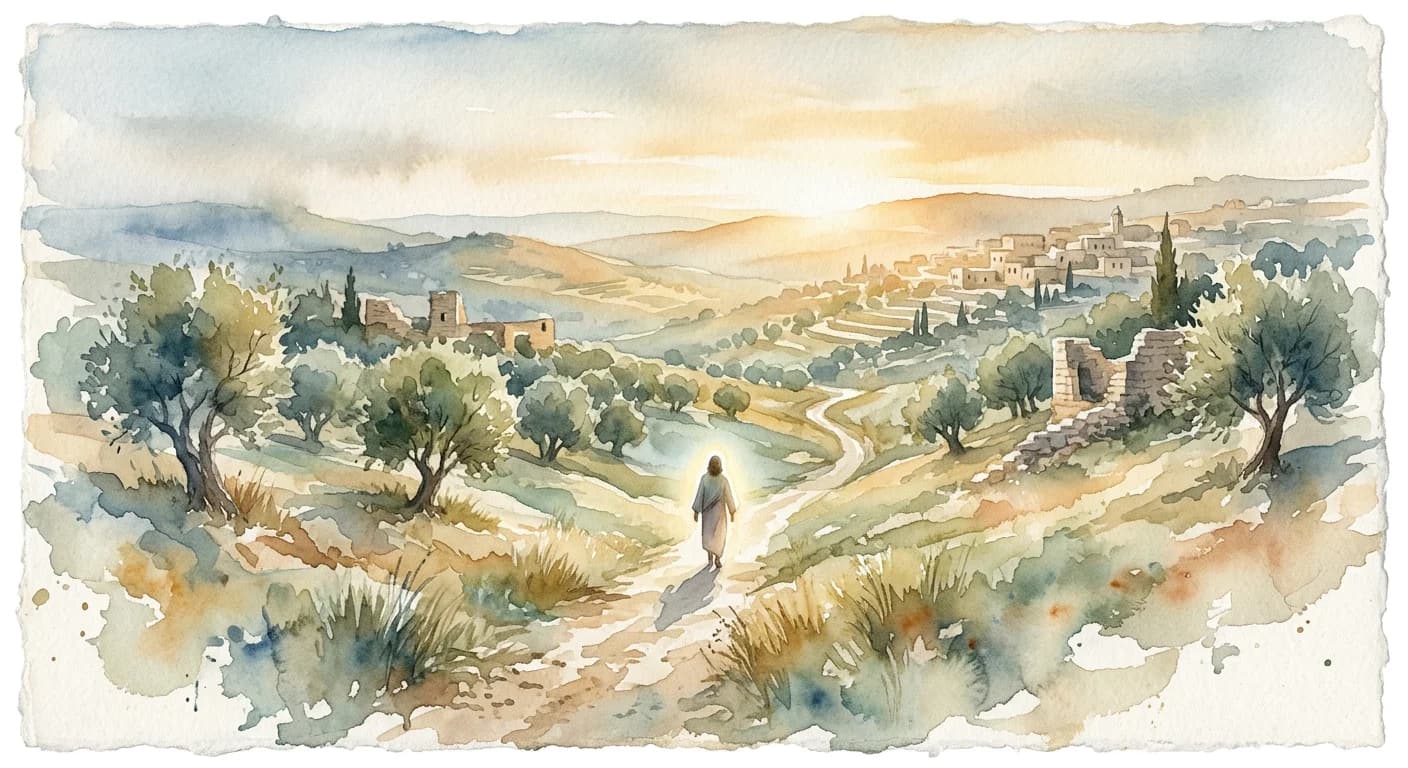
Aliyah
/ah-lee-YAH/
Meaning
Aliyah, literally 'ascent' or 'going up,' signifies far more than mere immigration; it is a profound spiritual pilgrimage and a physical return to the ancestral Land of Israel. For Jews worldwide, it embodies a deep-seated fulfillment of ancient prophecies, a collective yearning for national rebirth, and a reconnection to a sacred heritage. This act is central to Jewish identity, weaving together historical memory, unwavering faith, and an unbreakable bond with the land, forming a cornerstone of modern Israeli society and an enduring symbol of hope.
Literal Translation
Ascent, going up
The Story Behind the Word
The concept of Aliyah is deeply woven into the fabric of Jewish history and identity, predating the modern State of Israel by millennia. Throughout centuries of exile, the yearning for Zion (Jerusalem and the Land of Israel) was a constant theme in prayers, liturgy, and collective memory. This enduring hope, often expressed as 'Next year in Jerusalem,' sustained Jewish communities through persecution and dispersion. Aliyah represents not just a geographical move, but a spiritual elevation—a 'going up' not only to a higher physical place (Israel is often metaphorically considered higher) but also to a higher state of being and religious observance. It reflects a worldview where the land is intrinsically linked to the people's covenant with God, and their presence there is seen as a redemptive act. This word reveals a people who view their existence through a historical and spiritual lens, believing in a destiny intertwined with a specific geographic and sacred space.
Experience It
A Family's Aliyah
After years of planning and emotional goodbyes, the Cohen family touched down at Ben Gurion Airport, their faces alight with a mixture of exhaustion and profound joy. As they stepped onto Israeli soil, the weight of generations of longing seemed to lift, marking their official Aliyah and the beginning of their new life in the ancient homeland.
Spiritual Aliyah
Rabbi Mendel often spoke of the 'Aliyah of the soul,' even for those who couldn't physically move to Israel. He taught that one could make an Aliyah by deepening their connection to Jewish traditions, learning Hebrew, and supporting those who live in the land, thus elevating their spiritual existence.
The Deeper Meaning
Aliyah encapsulates a philosophy of historical continuity and collective redemption. It suggests that identity is not merely individual but deeply communal, rooted in a shared past and a divinely ordained future. The act itself is a testament to resilience, faith, and the belief in the power of return, asserting that a people can reclaim their destiny and rebuild their national life on ancestral ground, thereby actualizing ancient aspirations in the modern world.
Did You Know?
The term 'Aliyah' is also used in a religious context for being called up to the Torah in a synagogue, symbolizing an 'ascent' to a sacred moment.
How It's Used
Used to describe the act of immigrating to Israel, especially for religious or spiritual reasons.