Seder
/SAY-der/
Meaning
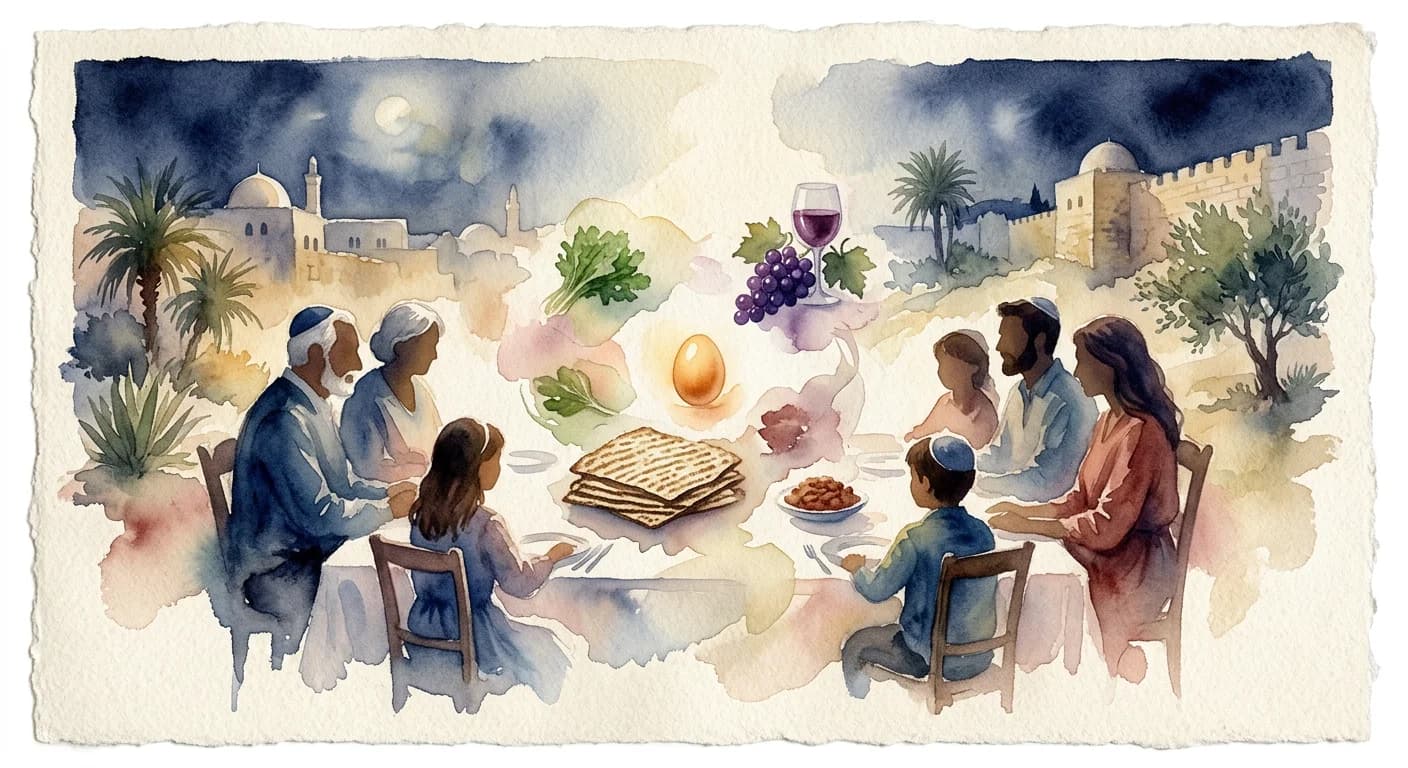
The Seder is far more than a meal; it's a meticulously choreographed ritual feast, a living tapestry woven with prayers, blessings, songs, and symbolic foods, all designed to transport participants back to the Exodus from Egypt. It's an immersive, multi-sensory experience that reenacts the journey from slavery to freedom, ensuring that each generation, especially the children, internalizes the profound narrative of liberation. This "order" is a powerful act of collective memory, not merely recalling history but reliving it, fostering a deep connection to Jewish identity and the enduring pursuit of freedom.
Literal Translation
Order
The Story Behind the Word
The Seder's existence reveals a profound commitment within Jewish culture to the active transmission of history and values through communal engagement. Its structured 'order' (the literal meaning of Seder) is a pedagogical masterpiece, designed to make abstract concepts like freedom, oppression, and divine intervention tangible and memorable. The emphasis on participation, particularly the Four Questions asked by the youngest child, underscores a worldview that values inquiry, intergenerational dialogue, and the personal internalization of collective memory. It reflects a people who understand that survival and identity are intrinsically linked to remembering their origins and continually reinterpreting their foundational narratives in the present. This annual reenactment reinforces a cyclical understanding of time, where past events are not just remembered, but relived and understood anew.
Experience It
Family Seder Night
The aroma of matzah ball soup filled Grandma Sarah's home. Young Ethan, barely five, proudly recited the Four Questions, his voice clear and earnest, prompting smiles and nods from around the Seder table. His older sister, Maya, helped distribute the bitter herbs, explaining their symbolism to a visiting friend, truly living the story of the Exodus.
Community Seder Celebration
At the community center, dozens gathered for a communal Seder. The rabbi led the Haggadah, but everyone chimed in with songs and discussions about modern-day freedom struggles. It wasn't just a retelling of ancient history; it was a vibrant, interactive exploration of freedom's enduring relevance, connecting ancient Egypt to contemporary concerns.
The Deeper Meaning
The Seder embodies a cyclical philosophy of history, where past liberation is not a static event but an ongoing process. It asserts that freedom must be actively pursued and re-earned by each generation, fostering a deep sense of responsibility towards justice and human dignity. This ritual underscores the belief that personal and collective identity are forged through shared narrative and communal remembrance, making the past a living force in the present.
Did You Know?
The Seder plate's symbolic foods, like charoset (a mix of apples, nuts, and wine), represent the mortar used by Israelite slaves, transforming a bitter memory into a sweet reminder of resilience.
How It's Used
The Seder is observed on the first one or two nights of Passover, typically in Jewish homes or community gatherings.