U.
HomeRegionsLanguagesEmotionsCollections
Find Your Word

“The limits of my language mean the limits of my world.”

— Ludwig Wittgenstein, Philosopher

Untranslatable

A curated collection of the world's most beautiful expressions—words that remind us language is humanity's greatest invention.

  • Home
  • Collections
  • Regions
  • Countries
  • Emotions
  • Tags
  • Contexts
  • Finder
  • Europe
  • Asia
  • Americas
  • Africa
  • Middle East
  • About
  • Contact
  • Privacy Policy
  • Terms of Service

2026 © Untranslatable. All rights reserved.

    /
    /
    1. Home
    2. /
    3. Middle East
    4. /
    5. Yetzer HaRa
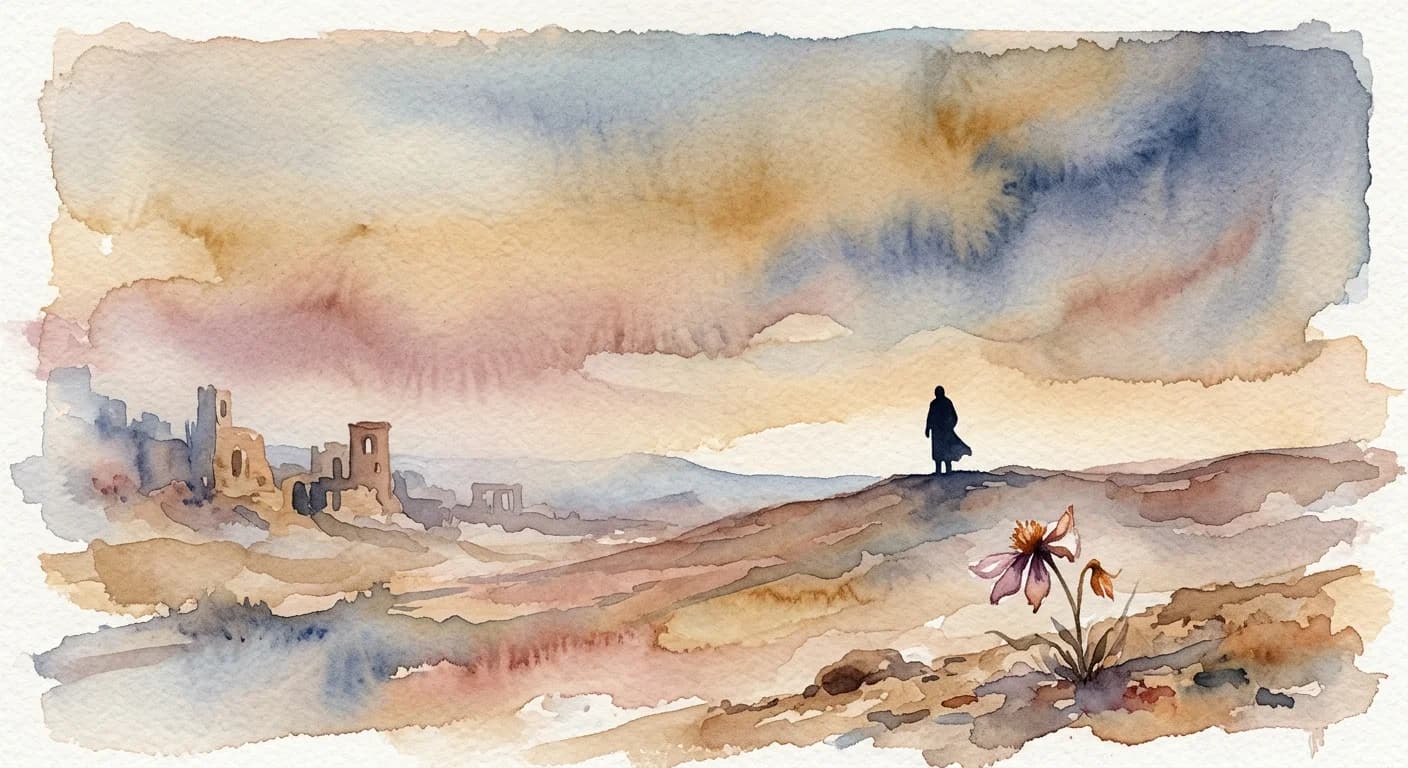
    Artistic representation of Yetzer HaRa
    Hebrew•
    🇮🇱Israel

    Yetzer HaRa

    /YET-zer hah-RAH/

    Meaning

    The Yetzer HaRa, often translated as the 'evil inclination,' is a profound concept in Jewish thought that describes the intrinsic human drive towards self-gratification, base desires, and temptation. Far from being inherently malevolent, it is a potent, primal force that, if unguided, can indeed lead to destructive choices and actions. Mastering the Yetzer HaRa is seen not as its eradication, but as a lifelong spiritual battle to channel its immense energy towards constructive, righteous ends, serving as a critical path to personal growth and adherence to divine will.

    Literal Translation

    Inclination/creativity of the evil/bad

    The Story Behind the Word

    The concept of Yetzer HaRa is deeply rooted in ancient Jewish texts, particularly the Talmud and Midrash, and has evolved significantly through centuries of rabbinic interpretation. It reflects a uniquely Jewish understanding of human nature as inherently dualistic: possessing both a Yetzer HaRa (inclination towards evil/self) and a Yetzer HaTov (inclination towards good/altruism). This dualism isn't about original sin, but rather about a constant, dynamic struggle within every individual. The word's existence reveals a culture that places immense value on free will, personal responsibility, and the ongoing process of self-refinement (tikkun olam, tikkun hanefesh). It acknowledges the powerful allure of worldly desires while simultaneously empowering individuals to transcend them, seeing the very challenge as a means of spiritual elevation.

    Experience It

    Resisting the Impulse

    Sarah felt a strong Yetzer HaRa to lash out at her colleague who had unfairly criticized her work. She took a deep breath, recognizing the surge of anger, and chose instead to calmly articulate her perspective, transforming a potentially destructive impulse into a constructive dialogue.

    Channeling Ambition

    David's Yetzer HaRa drove him relentlessly for personal success and wealth. Instead of succumbing to greed, he channeled this intense ambition into building a successful business that not only provided for his family but also created jobs and supported his community through philanthropy.

    The Deeper Meaning

    The Yetzer HaRa offers a sophisticated philosophical lens on human agency and moral development. It posits that true righteousness isn't the absence of temptation, but the conscious, effortful overcoming or redirection of powerful innate urges. This perspective elevates the human struggle, framing it as the very arena for spiritual growth and the fulfillment of one's purpose, suggesting that the greatest good often emerges from the conscious mastery of our most primal drives.

    Did You Know?

    Rabbinic tradition surprisingly suggests that the Yetzer HaRa is essential for human civilization; without its drive for sustenance, procreation, and competition, people wouldn't build houses, marry, or engage in commerce.

    How It's Used

    Used in theological and philosophical discussions within Judaism, often when discussing human nature, sin, temptation, and the struggle for spiritual self-improvement.

    Emotions
    hope,melancholy
    Contexts
    philosophy,religion,work
    🇮🇱Israel

    by Sofia Rossi·Written Mar 10, 2026·Updated Apr 3, 2026

    Related Words

    Explore more
    SaudadePortuguese

    Saudade encapsulates a profound, melancholic longing for something or someone cherished that is absent, often with the bittersweet knowledge that it may never return. It's a deep emotional state tinged with nostalgia, evoking a sense of loss for past experiences, places, or people, yet also holding a tender appreciation for the beauty of what once was. This yearning is not merely sadness, but a complex tapestry of desire, memory, and a poignant acceptance of absence, holding the beloved in a warm, persistent embrace within the heart.

    TarofPersian

    Tarof is a deeply ingrained Iranian social custom, a delicate dance of politeness and deference where individuals engage in an elaborate exchange of offers and refusals. It's a performative humility, a way of showing respect and avoiding imposing, often involving multiple cycles of insistence and polite decline before a genuine acceptance or refusal is reached. This intricate ritual governs interactions from sharing food to paying bills, creating a nuanced social ballet.

    TarabArabic

    Tarab is far more than mere enjoyment; it's a profound, almost spiritual communion with music, where the performer and audience become one in a shared emotional journey. It signifies a state of ecstatic enchantment, a deep emotional surrender that transcends the self, leading to a transformative experience. This intense connection often manifests as spontaneous vocalizations, tears, or even physical swaying, as the music penetrates the soul and evokes a powerful release of feeling. It's a moment of pure, unadulterated musical rapture.

    KeyifTurkish

    Keyif is a profound state of unhurried, mindful enjoyment, a deliberate savoring of the present moment without urgency or expectation. It's not merely relaxation, but an active engagement with the simple pleasures of life, finding contentment in the sensory details of a warm cup of tea, the gentle breeze, or a quiet conversation. It embodies a serene acceptance of 'what is,' fostering an inner peace that makes even mundane activities feel like a small celebration.