U.
HomeRegionsLanguagesEmotionsCollections
Find Your Word

“The limits of my language mean the limits of my world.”

— Ludwig Wittgenstein, Philosopher

Untranslatable

A curated collection of the world's most beautiful expressions—words that remind us language is humanity's greatest invention.

  • Home
  • Collections
  • Regions
  • Countries
  • Emotions
  • Tags
  • Contexts
  • Finder
  • Europe
  • Asia
  • Americas
  • Africa
  • Middle East
  • About
  • Contact
  • Privacy Policy
  • Terms of Service

2026 © Untranslatable. All rights reserved.

    /
    /
    1. Home
    2. /
    3. Middle East
    4. /
    5. Lashon Hara
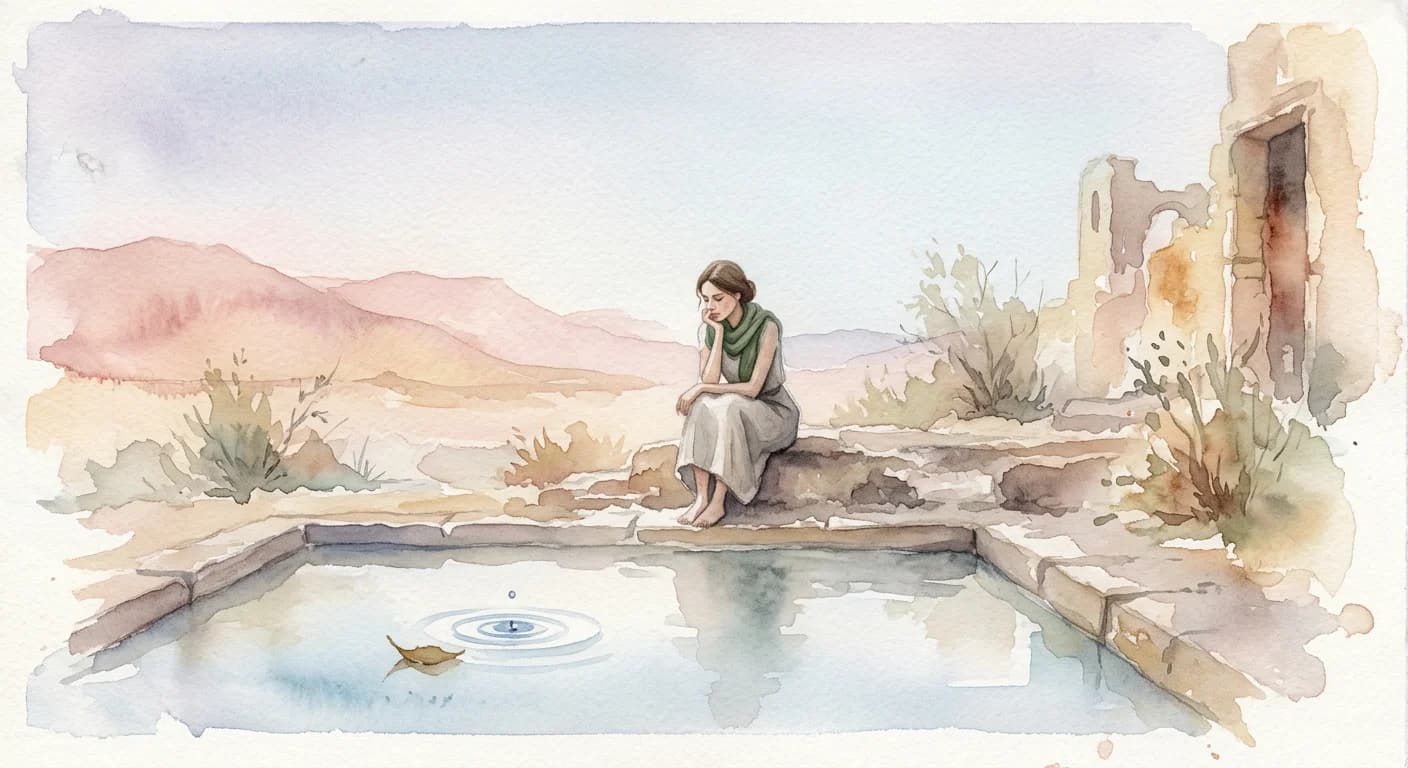
    Artistic representation of Lashon Hara
    Hebrew•
    🇮🇱Israel

    Lashon Hara

    /LAH-shon HAH-rah/

    Meaning

    Lashon Hara transcends simple gossip, referring to any speech that, though potentially true, diminishes another person's reputation, causes them harm, or sows discord. It's not just about falsehoods; even accurate negative statements, if not constructive or necessary, constitute Lashon Hara. This concept underscores the profound ethical responsibility one bears for their words, recognizing language as a powerful tool capable of inflicting deep wounds and undermining communal harmony. It calls for mindful communication, emphasizing protection of human dignity above all.

    Literal Translation

    Evil tongue

    The Story Behind the Word

    The concept of Lashon Hara is deeply interwoven into the fabric of Jewish ethics, with its roots stretching back to biblical injunctions against slander and bearing false witness. Rabbinic tradition further elaborated on its severity, equating its impact to murder, idolatry, and incest due to its potential to destroy lives, families, and communities. This emphasis reveals a worldview where the spoken word holds immense power, capable of shaping reality and impacting spiritual as well as social well-being. The existence of such a nuanced term highlights a cultural preoccupation with ethical conduct, interpersonal relationships, and the sanctity of reputation, viewing careful speech as a cornerstone of a just and compassionate society. It reflects a belief that a person's dignity is paramount and must be protected by all members of the community.

    Experience It

    Workplace Whisper

    Sarah tells a colleague, 'Did you hear David messed up that big presentation last week? He totally forgot his lines.' While true, this statement serves no constructive purpose and only damages David's professional standing among his peers, constituting Lashon Hara.

    Social Gathering Criticism

    At a family dinner, Uncle Ben remarks, 'You know, Aunt Rachel really struggled with her finances a few years back, she almost lost her house.' Even though it's a past event and factually correct, sharing this personal detail without Rachel's consent and for no beneficial reason is considered Lashon Hara.

    The Deeper Meaning

    Lashon Hara reveals a profound philosophical understanding of the interconnectedness of human beings and the sanctity of individual reputation. It posits that words are not mere sounds but potent forces that can construct or dismantle, heal or wound. This concept elevates ethical speech to a spiritual imperative, teaching that true piety involves not just actions but also guarding one's tongue, recognizing that the integrity of the community relies on the respect and dignity afforded to each of its members.

    Did You Know?

    Jewish law considers Lashon Hara so severe that even the listener who enjoys hearing it can be held accountable, not just the speaker. It's a dual prohibition!

    How It's Used

    Used in religious and ethical discussions within Judaism to describe and discourage gossip, slander, or any speech that harms another person's reputation or feelings.

    Emotion
    fear
    Contexts
    philosophy,religion,social interaction
    🇮🇱Israel

    by Sofia Rossi·Written Mar 10, 2026·Updated Apr 3, 2026

    Related Words

    Explore more
    TarofPersian

    Tarof is a deeply ingrained Iranian social custom, a delicate dance of politeness and deference where individuals engage in an elaborate exchange of offers and refusals. It's a performative humility, a way of showing respect and avoiding imposing, often involving multiple cycles of insistence and polite decline before a genuine acceptance or refusal is reached. This intricate ritual governs interactions from sharing food to paying bills, creating a nuanced social ballet.

    TarabArabic

    Tarab is far more than mere enjoyment; it's a profound, almost spiritual communion with music, where the performer and audience become one in a shared emotional journey. It signifies a state of ecstatic enchantment, a deep emotional surrender that transcends the self, leading to a transformative experience. This intense connection often manifests as spontaneous vocalizations, tears, or even physical swaying, as the music penetrates the soul and evokes a powerful release of feeling. It's a moment of pure, unadulterated musical rapture.

    KeyifTurkish

    Keyif is a profound state of unhurried, mindful enjoyment, a deliberate savoring of the present moment without urgency or expectation. It's not merely relaxation, but an active engagement with the simple pleasures of life, finding contentment in the sensory details of a warm cup of tea, the gentle breeze, or a quiet conversation. It embodies a serene acceptance of 'what is,' fostering an inner peace that makes even mundane activities feel like a small celebration.

    LuftmenschGerman

    A "Luftmensch" is a captivating figure who drifts through life on the currents of thought and imagination, often appearing detached from the practicalities of the earthly realm. This individual is a dreamer whose head resides perpetually in the clouds, pursuing grand, sometimes quixotic, visions rather than engaging with mundane realities. It evokes a blend of affectionate exasperation for their impracticality and a quiet admiration for their unwavering commitment to a world of ideas, a person who truly lives on "air."