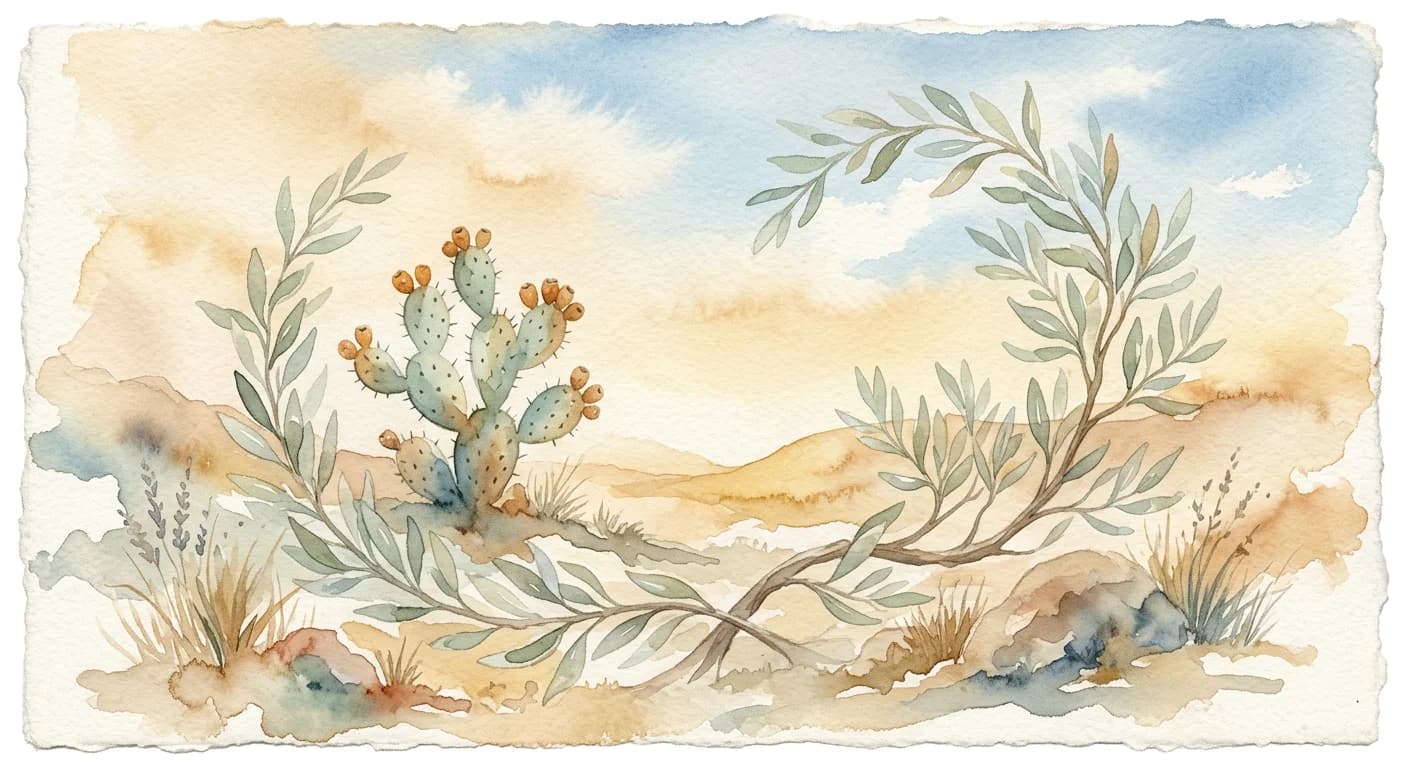
Tzabar
/tsah-BAHR/
Meaning
The term 'Tzabar' encapsulates the essence of a native-born Israeli, a person rooted deeply in the land from birth. It vividly draws a parallel with the sabra cactus: outwardly resilient and perhaps even blunt, yet possessing an inner core of profound warmth, kindness, and unwavering loyalty to their homeland. This identity reflects a unique national character forged by Israel's dynamic history, embodying a fierce independence coupled with a tender heart for community and country.
Literal Translation
Sabra (cactus)
The Story Behind the Word
The concept of 'Tzabar' emerged in the early 20th century, particularly during the pre-state Yishuv period, as an ideal for the "new Jew"—a stark contrast to the perceived diaspora Jew. This new identity was meant to be strong, self-reliant, pioneering, and deeply connected to the land, shedding the stereotypes of weakness or intellectualism. It became a powerful symbol of Zionist aspirations and nation-building, representing a break from the past and the forging of a distinct Israeli identity. The image of the cactus perfectly captured this aspiration: tough enough to thrive in a harsh environment, yet bearing sweet fruit for those who knew how to approach it. It reveals a cultural emphasis on resilience, self-sufficiency, and a deep, almost visceral connection to the physical land of Israel as integral to one's identity.
Experience It
The Soldier's Tough Exterior
During basic training, a young recruit named Avi seemed unyielding, rarely showing emotion, even under pressure. His commanding officer, observing Avi's fierce determination and quiet courage, remarked, 'He's a true Tzabar – looks tough as nails, but I bet he'd give you the shirt off his back if you really needed it.'
Neighborhood Kindness
When a new family moved into the neighborhood, they found their car battery dead. Their neighbor, Shira, a lifelong resident, initially seemed direct and no-nonsense. But within minutes, she was helping them jump-start the car, offering them coffee, and sharing tips about local schools, embodying the Tzabar's unexpected warmth.
The Deeper Meaning
The 'Tzabar' embodies a philosophy of resilience and authentic existence, suggesting that true strength lies not in outward softness, but in an inner core of integrity and deep-seated values, often concealed by a protective exterior. It highlights a worldview where connection to land and community forms the bedrock of identity, and where a pragmatic, even stoic, approach to life coexists with profound emotional depth and loyalty.
Did You Know?
The sabra cactus, from which 'Tzabar' derives its name, is not native to Israel but was introduced centuries ago from Mexico, thriving so well it became an iconic symbol of the land.
How It's Used
Used to describe a person born in Israel, often implying a certain national character or identity.