U.
HomeRegionsLanguagesEmotionsCollections
Find Your Word

“The limits of my language mean the limits of my world.”

— Ludwig Wittgenstein, Philosopher

Untranslatable

A curated collection of the world's most beautiful expressions—words that remind us language is humanity's greatest invention.

  • Home
  • Collections
  • Regions
  • Countries
  • Emotions
  • Tags
  • Contexts
  • Finder
  • Europe
  • Asia
  • Americas
  • Africa
  • Middle East
  • About
  • Contact
  • Privacy Policy
  • Terms of Service

2026 © Untranslatable. All rights reserved.

    /
    /
    1. Home
    2. /
    3. Asia
    4. /
    5. Datsuzoku
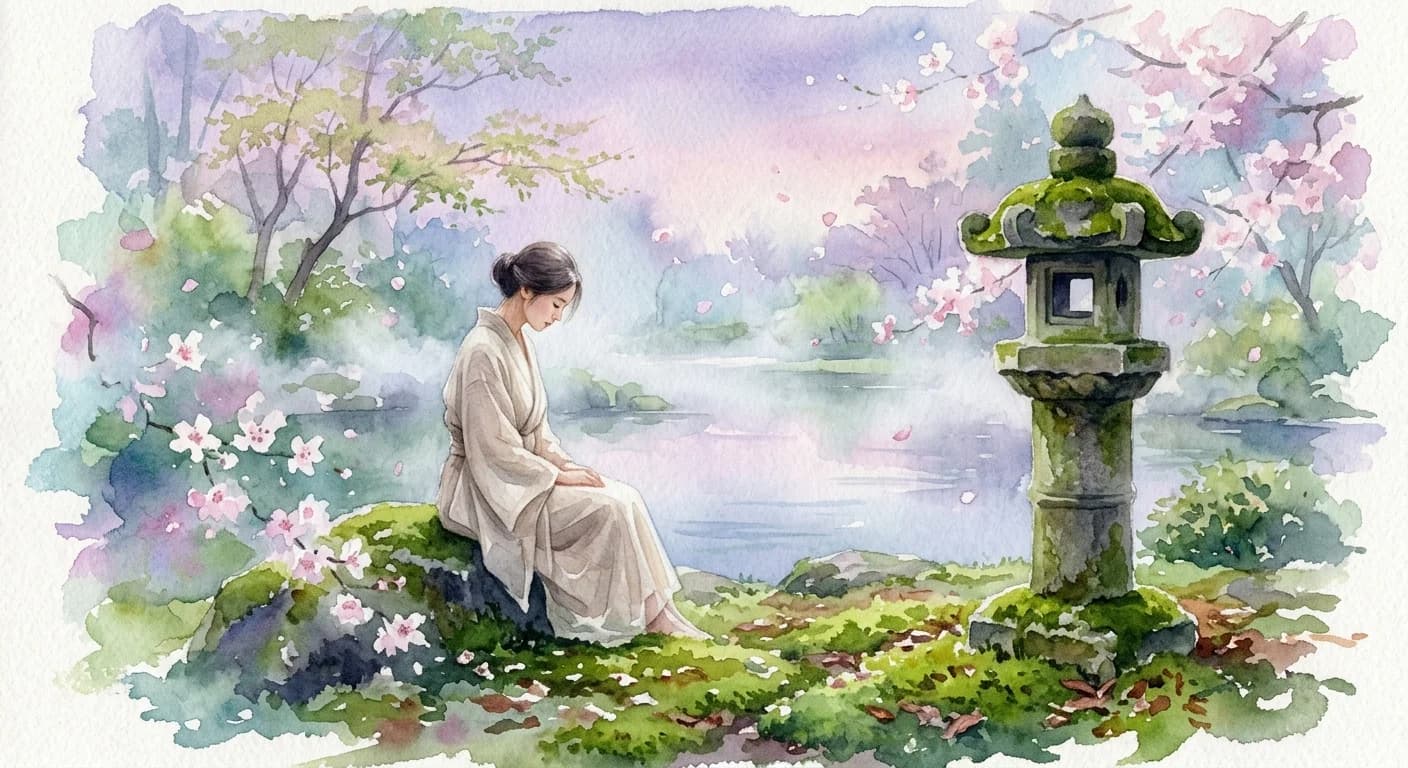
    Artistic representation of Datsuzoku
    Japanese•
    🇯🇵Japan

    Datsuzoku

    /DAHT-soo-zoh-koo/

    Meaning

    Datsuzoku embodies a profound liberation from the shackles of the mundane, the routine, and societal expectations. It's the exhilarating sensation of stepping outside the ordinary flow of life, often through a moment of aesthetic appreciation or a deep connection with nature. This detachment fosters a unique clarity, allowing one to perceive the world with fresh eyes and experience a serene tranquility that transcends everyday worries, connecting to a more fundamental existence.

    Literal Translation

    Escape from the ordinary/convention

    The Story Behind the Word

    Datsuzoku is deeply rooted in Japanese aesthetics and philosophical traditions, particularly Zen Buddhism, which emphasizes detachment and the appreciation of the present moment. This concept reflects a worldview that values direct experience over intellectualization, and finding profound meaning in the simplicity of everyday life. It's evident in arts like tea ceremony (chado) and flower arrangement (ikebana), where the meticulous focus on the present moment and the beauty of natural elements allows participants to transcend worldly concerns. The pursuit of datsuzoku reveals a cultural inclination to seek spiritual and emotional freedom not through grand gestures, but through mindful engagement with the subtle beauty and impermanence of the world around them, offering a respite from the pressures of a highly structured society.

    Experience It

    Zen Garden Serenity

    Amidst the raked gravel and strategically placed rocks of a Zen garden, a salaryman pauses. The world's demands recede as he contemplates the minimalist landscape, feeling a sudden, profound release from his daily anxieties, experiencing datsuzoku.

    Mountain Vista Clarity

    Perched on a mountain peak, a hiker gazes at the expansive vista. The vastness of the landscape dwarfs her personal worries, and she feels a powerful sense of detachment from her everyday life, embracing a moment of pure datsuzoku.

    The Deeper Meaning

    Datsuzoku reveals a philosophy that human flourishing isn't solely found in accumulation or achievement, but in the ability to periodically disengage from these pursuits. It suggests that true freedom and profound insight emerge from a conscious detachment, allowing for a renewed appreciation of existence and a deeper connection to the elemental truths of life, free from the noise of convention.

    Did You Know?

    Datsuzoku is often considered one of the seven aesthetic principles of Zen, alongside concepts like wabi-sabi (impermanence and imperfection) and yūgen (profound grace and subtlety).

    How It's Used

    This term is often used in aesthetic and philosophical contexts, particularly in relation to art, Zen Buddhism, and everyday life experiences that offer a break from routine.

    Emotions
    contentment,peace,serenity,wonder
    Contexts
    art,nature,relaxation,solitude
    🇯🇵Japan

    by Annelise Dubois·Written Mar 14, 2026·Updated Apr 3, 2026

    Related Words

    Explore more
    HyggeDanish

    Hygge is more than mere coziness; it's a holistic embrace of comfort, warmth, and belonging that nourishes the soul. It describes the intentional creation of an intimate atmosphere where simple pleasures, genuine connection, and mindful presence converge, fostering a profound sense of contentment and well-being. It's about finding joy and peace in the small, everyday moments, often shared with loved ones.

    Dolce far nienteItalian

    Dolce far niente captures the profound joy and effortless pleasure derived from simply existing without obligation or purpose. It's the art of savoring moments of pure, unadulterated idleness – lying in the sun, watching the clouds drift, or enjoying a leisurely coffee – not as a break from work, but as a valuable state in itself. This 'sweetness of doing nothing' is a conscious embrace of stillness and contentment, allowing the soul to breathe and the senses to fully engage with the present.

    Wabi-sabiJapanese

    Wabi-sabi is the profound appreciation for the ephemeral, the imperfect, and the incomplete aspects of existence. It is about discovering beauty in the subtle textures of age, the unique character of flaws, and the gentle decay that marks the passage of time. This philosophy encourages a quiet acceptance of impermanence and a mindful connection to the natural world, finding elegance in simplicity and authenticity.

    IkigaiJapanese

    Ikigai is more than just a reason to get out of bed; it's a deeply personal and evolving sense of purpose that brings genuine fulfillment and joy to one's life. It represents the sweet spot where your passions, talents, needs of the world, and what you can be paid for beautifully converge. Discovering your ikigai often leads to a life lived with intentionality, resilience, and a profound connection to one's contributions. It's the intrinsic motivation that fuels a meaningful existence, regardless of external circumstances.

    Featured in 1 collection

    🎨Creative Soul