U.
HomeRegionsLanguagesEmotionsCollections
Find Your Word

“The limits of my language mean the limits of my world.”

— Ludwig Wittgenstein, Philosopher

Untranslatable

A curated collection of the world's most beautiful expressions—words that remind us language is humanity's greatest invention.

  • Home
  • Collections
  • Regions
  • Countries
  • Emotions
  • Tags
  • Contexts
  • Finder
  • Europe
  • Asia
  • Americas
  • Africa
  • Middle East
  • About
  • Contact
  • Privacy Policy
  • Terms of Service

2026 © Untranslatable. All rights reserved.

    /
    /
    1. Home
    2. /
    3. Americas
    4. /
    5. Farpotshket
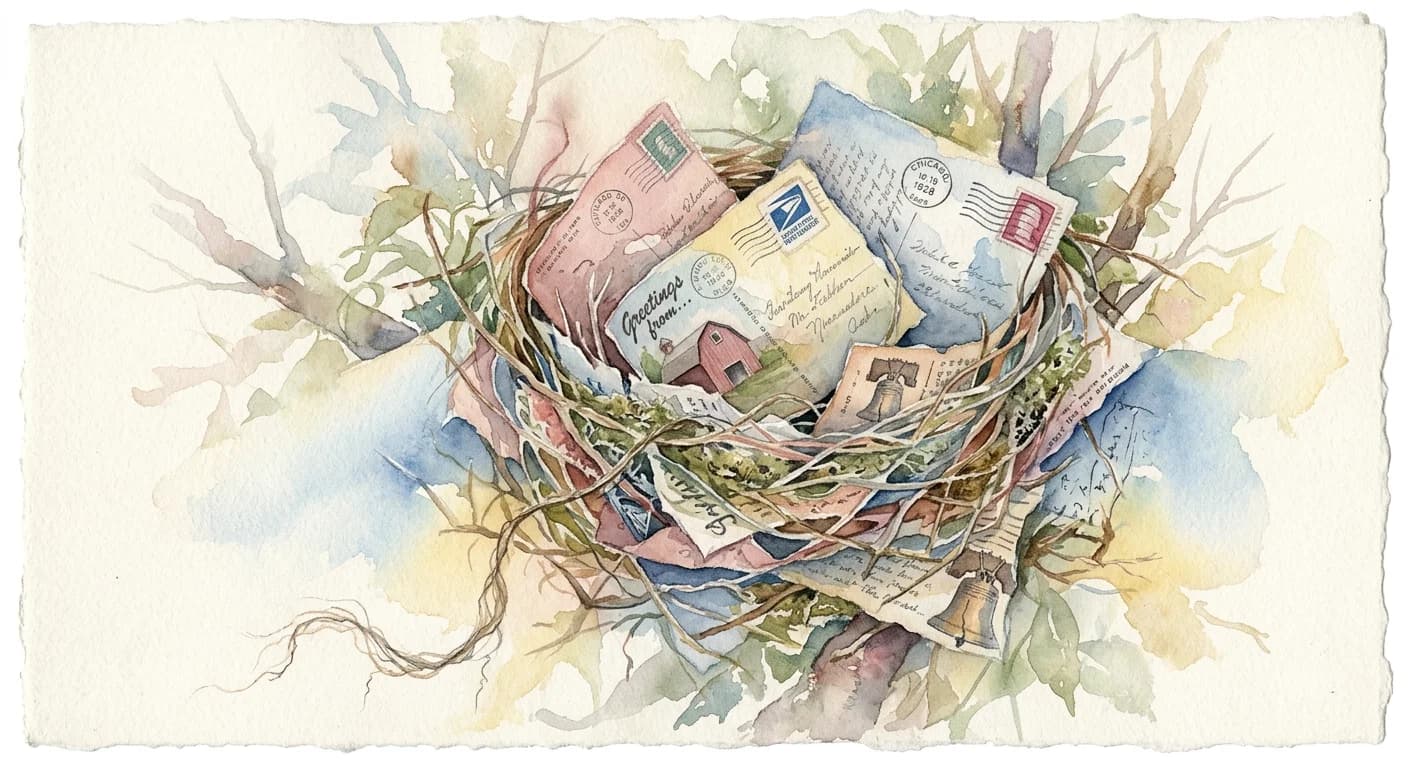
    Artistic representation of Farpotshket
    Yiddish•
    🇧🇾Belarus🇮🇱Israel🇱🇹Lithuania🇵🇱Poland🇷🇺Russia🇺🇦Ukraine🇺🇸United States

    Farpotshket

    /far-POTCH-ket/

    Meaning

    Farpotshket describes a situation, object, or system that has been so thoroughly botched, messed up, or over-engineered with good intentions that it has become utterly dysfunctional. It's not just a simple mistake, but a monumental, almost artistic failure where every attempt to fix or improve only compounds the problem, leading to a state of exasperated, often darkly humorous, resignation. The word captures the precise moment when something transitions from merely flawed to irretrievably, ridiculously broken.

    Literal Translation

    from potshket (to botch, to ruin)

    The Story Behind the Word

    The word "Farpotshket" resonates deeply within Yiddish culture, reflecting a worldview often characterized by resilience, gallows humor, and a keen eye for human folly amidst hardship. Originating from a community that frequently faced external pressures and systemic challenges, there was a shared understanding that efforts to control one's destiny could often backfire spectacularly, or that well-intentioned interventions from authority figures might only worsen a situation. This word encapsulates the feeling of being at the mercy of convoluted systems or incompetent individuals, fostering a collective sigh of knowing exasperation. It embodies a philosophical acceptance of life's inherent messiness and the absurdities of human endeavor, often finding humor as a coping mechanism.

    Experience It

    The Plumbing Saga

    After three different plumbers tried to fix the leaky faucet, each adding more pipes and valves, the entire bathroom now floods every time someone flushes the toilet. It's completely farpotshket.

    Overly Complex Project

    The new software update was supposed to streamline our workflow, but after endless patches and 'improvements' from the IT department, no one can even log in anymore. The whole system is farpotshket.

    The Deeper Meaning

    Farpotshket offers a philosophical commentary on the limits of human control and the often-unintended consequences of intervention. It suggests that sometimes, the very act of trying to 'fix' or 'improve' something can lead to a more profound and irreversible state of disarray. It's a recognition of the absurd, the futile, and the darkly humorous aspects of existence, where good intentions pave the road to utter chaos.

    Did You Know?

    While often used colloquially, "farpotshket" has even appeared in legal and technical contexts in the US to describe products or systems that are hopelessly compromised or defectively designed.

    How It's Used

    Used to describe a situation, object, or plan that has been ruined through incompetence, excessive meddling, or a series of unfortunate events.

    Emotions
    acceptance,anger,joy,melancholy
    Contexts
    daily life,family,work
    🇧🇾Belarus🇮🇱Israel🇱🇹Lithuania🇵🇱Poland🇷🇺Russia🇺🇦Ukraine🇺🇸United States

    by Dr. Kenji Tanaka·Written Mar 14, 2026·Updated Apr 3, 2026

    Related Words

    Explore more
    SaudadePortuguese

    Saudade encapsulates a profound, melancholic longing for something or someone cherished that is absent, often with the bittersweet knowledge that it may never return. It's a deep emotional state tinged with nostalgia, evoking a sense of loss for past experiences, places, or people, yet also holding a tender appreciation for the beauty of what once was. This yearning is not merely sadness, but a complex tapestry of desire, memory, and a poignant acceptance of absence, holding the beloved in a warm, persistent embrace within the heart.

    Wabi-sabiJapanese

    Wabi-sabi is the profound appreciation for the ephemeral, the imperfect, and the incomplete aspects of existence. It is about discovering beauty in the subtle textures of age, the unique character of flaws, and the gentle decay that marks the passage of time. This philosophy encourages a quiet acceptance of impermanence and a mindful connection to the natural world, finding elegance in simplicity and authenticity.

    Pura vidaSpanish

    More than just 'pure life,' "Pura vida" encapsulates a profound philosophy of embracing the present moment with unwavering optimism and gratitude. It's a daily commitment to finding joy in simple pleasures, accepting life's challenges with a positive spirit, and prioritizing well-being over material possessions. This ubiquitous phrase reflects a national identity built on resilience, community, and an deep appreciation for nature's bounty.

    JayusIndonesian

    Jayus describes that peculiar moment when a joke is so utterly devoid of humor, so poorly delivered, or so nonsensical that its very ineptitude triggers an involuntary, almost sympathetic burst of laughter. It's not laughter at the joke itself, but rather a reaction to the sheer awkwardness and the unexpected, delightful absurdity of someone failing so spectacularly to be funny. The humor stems from the meta-experience of witnessing a comedic train wreck, transforming discomfort into a shared moment of mirth.