Hanyauku
/hah-nyow-koo/
Meaning
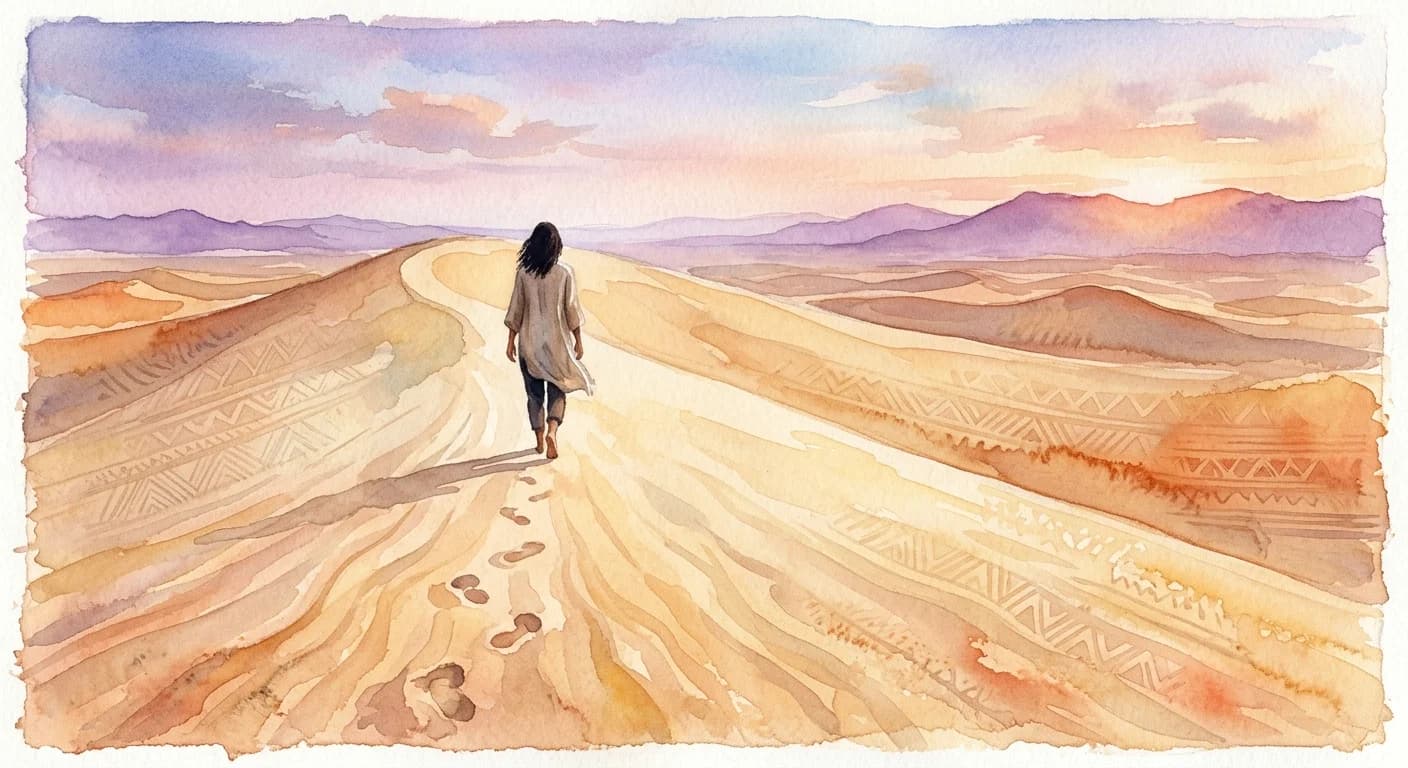
Hanyauku describes the profound act of walking barefoot, especially across the yielding, warm sands of the Kalahari. It's an intimate dance with the earth, where every step is a sensory dialogue with the ground's texture, temperature, and subtle shifts. This practice embodies a deep-seated connection to the natural world, reflecting a life lived in harmony with the environment and its unhurried rhythms. More than just locomotion, hanyauku signifies a feeling of belonging, freedom, and an unmediated connection to the ancestral land.
Literal Translation
to walk barefoot
The Story Behind the Word
Hanyauku is deeply embedded in the traditional lifestyle of the Rukwangali-speaking communities in Namibia, particularly those living near or within the Kalahari region. For generations, walking barefoot was not merely a choice but a necessity, fostering an intimate knowledge of the terrain, its flora, and fauna. This practice reflects a philosophy of humility and respect for nature; by removing barriers between foot and earth, one acknowledges a foundational dependence on the land. It symbolizes an unadorned existence, free from artificial constructs, and a constant, tactile reminder of one's place within the ecosystem. The ability to navigate the landscape barefoot also speaks to resilience and adaptation, crucial traits in a challenging environment.
Experience It
Morning Water Journey
As the sun began to warm the red Kalahari sand, old Mama Kativa started her walk to the communal well. Her feet, toughened by years of hanyauku, gracefully glided over the soft, cool earth, reading every ripple and stone as she went, a silent communion with the awakening land.
Children's Play
The children laughed as they chased a stray goat, their small feet performing a joyful hanyauku across the dusty village path. The ground was their playground, a familiar, ever-present companion in their uninhibited games, connecting them to generations who had played there before.
Hunter's Silent Stride
The hunter moved with deliberate, silent steps through the bush. His hanyauku was not just about stealth; it was about feeling the subtle vibrations of the earth, understanding the direction of the wind through the sand, becoming one with the landscape to anticipate his quarry.
The Deeper Meaning
Hanyauku offers a profound philosophical insight into the Rukwangali worldview: that true connection and understanding come from direct, unmediated experience with the natural world. It champions a humility that recognizes humanity as part of, not separate from, nature. This practice fosters a sense of being grounded, present, and deeply attuned to the rhythms and wisdom of the earth, advocating for a life lived in respectful symbiosis with one's environment.
Did You Know?
Experienced practitioners of hanyauku can discern subtle changes in the sand's temperature or texture, allowing them to detect distant animal movements or even predict weather changes.
How It's Used
Used to describe the action of walking barefoot, often in natural settings.