U.
HomeRegionsLanguagesEmotionsCollections
Find Your Word

“The limits of my language mean the limits of my world.”

— Ludwig Wittgenstein, Philosopher

Untranslatable

A curated collection of the world's most beautiful expressions—words that remind us language is humanity's greatest invention.

  • Home
  • Collections
  • Regions
  • Countries
  • Emotions
  • Tags
  • Contexts
  • Finder
  • Europe
  • Asia
  • Americas
  • Africa
  • Middle East
  • About
  • Contact
  • Privacy Policy
  • Terms of Service

2026 © Untranslatable. All rights reserved.

    /
    /
    1. Home
    2. /
    3. Middle East
    4. /
    5. Temura
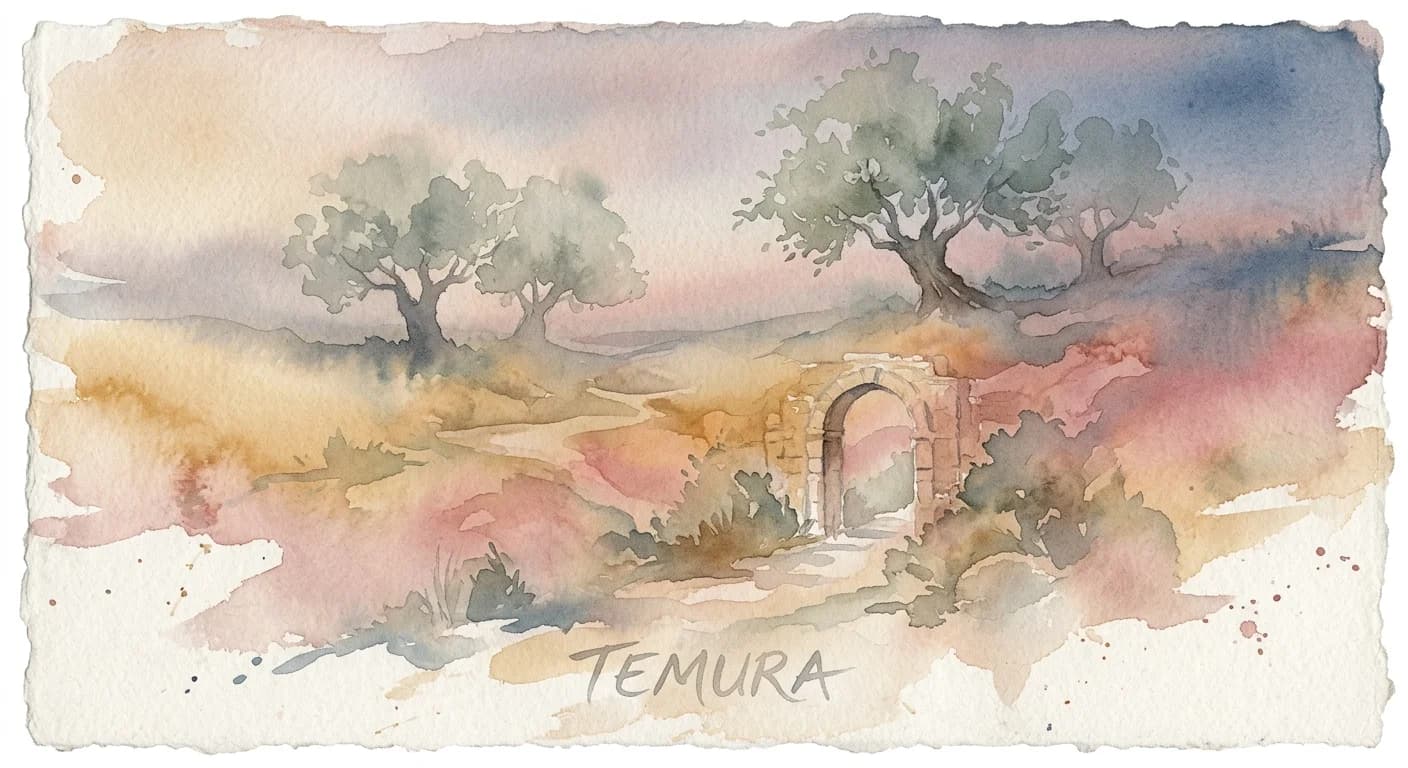
    Artistic representation of Temura
    Hebrew•
    🇮🇱Israel

    Temura

    /teh-moo-RAH/

    Meaning

    Temura signifies a profound, almost spiritual yearning for a lost homeland, deeply embedded in the Jewish historical consciousness. It's far more than mere nostalgia; it embodies the collective ache of generations of exile, the vivid memory of a cherished, often idealized past in Zion, and an unwavering hope for eventual return. This complex emotional state weaves together pain, resilience, and a deep, melancholic connection to ancestral lands, even for those who have never personally set foot there.

    Literal Translation

    Change, exchange (from the root 'm-r-r')

    The Story Behind the Word

    Temura's existence is deeply rooted in nearly two millennia of Jewish diaspora, following the destruction of the Second Temple and subsequent exile from the Land of Israel. For generations, "next year in Jerusalem" wasn't just a phrase; it was a prayer, a lament, and a defiant statement of identity against assimilation. This word encapsulates the resilience required to maintain a distinct cultural and religious identity across diverse lands, fueled by an unwavering spiritual connection to a geographical and historical center. Temura reveals a culture that views its history as cyclical, always anticipating return, and sees belonging not just as a physical state but as a spiritual inheritance. It highlights the profound role of collective memory and hope in sustaining a people through adversity, shaping their festivals, prayers, and literature with this enduring longing.

    Experience It

    A Grandfather's Dream

    Old Mendel, living in Brooklyn, would often gaze at a faded map of Mandate Palestine. He'd tell his grandchildren stories of Jerusalem, a place he'd never seen, his eyes filled with a deep 'temura' for a home he only knew through scripture and tradition, passing on the longing across generations.

    Diaspora Artist's Canvas

    The artist, born in Argentina, painted sprawling, evocative landscapes of olive groves and ancient stone walls, places she'd only visited in her imagination. Her work was a visual expression of 'temura', a poignant yearning for an ancestral land that resonated deeply within her soul.

    The Deeper Meaning

    Temura reveals a profound philosophical understanding of home as more than a physical location; it's a spiritual anchor, a historical narrative, and a collective destiny. It posits that identity can be deeply tied to an ancestral land, even across vast distances and generations, suggesting that memory and hope are powerful forces capable of shaping individual and collective consciousness beyond immediate experience.

    Did You Know?

    The literal Hebrew root of 'temura' (m-r-r) means 'change' or 'exchange,' ironically reflecting the constant state of flux and displacement that fueled this deep yearning for stability and return.

    How It's Used

    Temura is used to describe the emotional state of longing for Zion (Jerusalem/Israel) experienced by Jews throughout the diaspora, especially before the establishment of the modern state of Israel. It can also be used more broadly to describe a deep yearning for a lost home or a sense of belonging.

    Emotions
    hope,longing,melancholy,nostalgia
    Contexts
    family,farewell,travel
    🇮🇱Israel

    by Anya Petrova·Written Mar 14, 2026·Updated Apr 3, 2026

    Related Words

    Explore more
    SaudadePortuguese

    Saudade encapsulates a profound, melancholic longing for something or someone cherished that is absent, often with the bittersweet knowledge that it may never return. It's a deep emotional state tinged with nostalgia, evoking a sense of loss for past experiences, places, or people, yet also holding a tender appreciation for the beauty of what once was. This yearning is not merely sadness, but a complex tapestry of desire, memory, and a poignant acceptance of absence, holding the beloved in a warm, persistent embrace within the heart.

    MamihlapinatapaiYaghan

    Mamihlapinatapai encapsulates that profound, unspoken moment when two individuals lock eyes, each silently acknowledging a mutual desire or intention, yet both hesitate to be the first to act upon it. It's a delicate dance of anticipation, a shared gaze brimming with common understanding and a quiet longing for the other to break the ice. This intricate look carries the weight of a shared, uninitiated potential, a silent conversation where both parties are perfectly aware of what could happen, but neither makes the first move.

    TarofPersian

    Tarof is a deeply ingrained Iranian social custom, a delicate dance of politeness and deference where individuals engage in an elaborate exchange of offers and refusals. It's a performative humility, a way of showing respect and avoiding imposing, often involving multiple cycles of insistence and polite decline before a genuine acceptance or refusal is reached. This intricate ritual governs interactions from sharing food to paying bills, creating a nuanced social ballet.

    TarabArabic

    Tarab is far more than mere enjoyment; it's a profound, almost spiritual communion with music, where the performer and audience become one in a shared emotional journey. It signifies a state of ecstatic enchantment, a deep emotional surrender that transcends the self, leading to a transformative experience. This intense connection often manifests as spontaneous vocalizations, tears, or even physical swaying, as the music penetrates the soul and evokes a powerful release of feeling. It's a moment of pure, unadulterated musical rapture.