U.
HomeRegionsLanguagesEmotionsCollections
Find Your Word

“The limits of my language mean the limits of my world.”

— Ludwig Wittgenstein, Philosopher

Untranslatable

A curated collection of the world's most beautiful expressions—words that remind us language is humanity's greatest invention.

  • Home
  • Collections
  • Regions
  • Countries
  • Emotions
  • Tags
  • Contexts
  • Finder
  • Europe
  • Asia
  • Americas
  • Africa
  • Middle East
  • About
  • Contact
  • Privacy Policy
  • Terms of Service

2026 © Untranslatable. All rights reserved.

    /
    /
    1. Home
    2. /
    3. Asia
    4. /
    5. Viraag
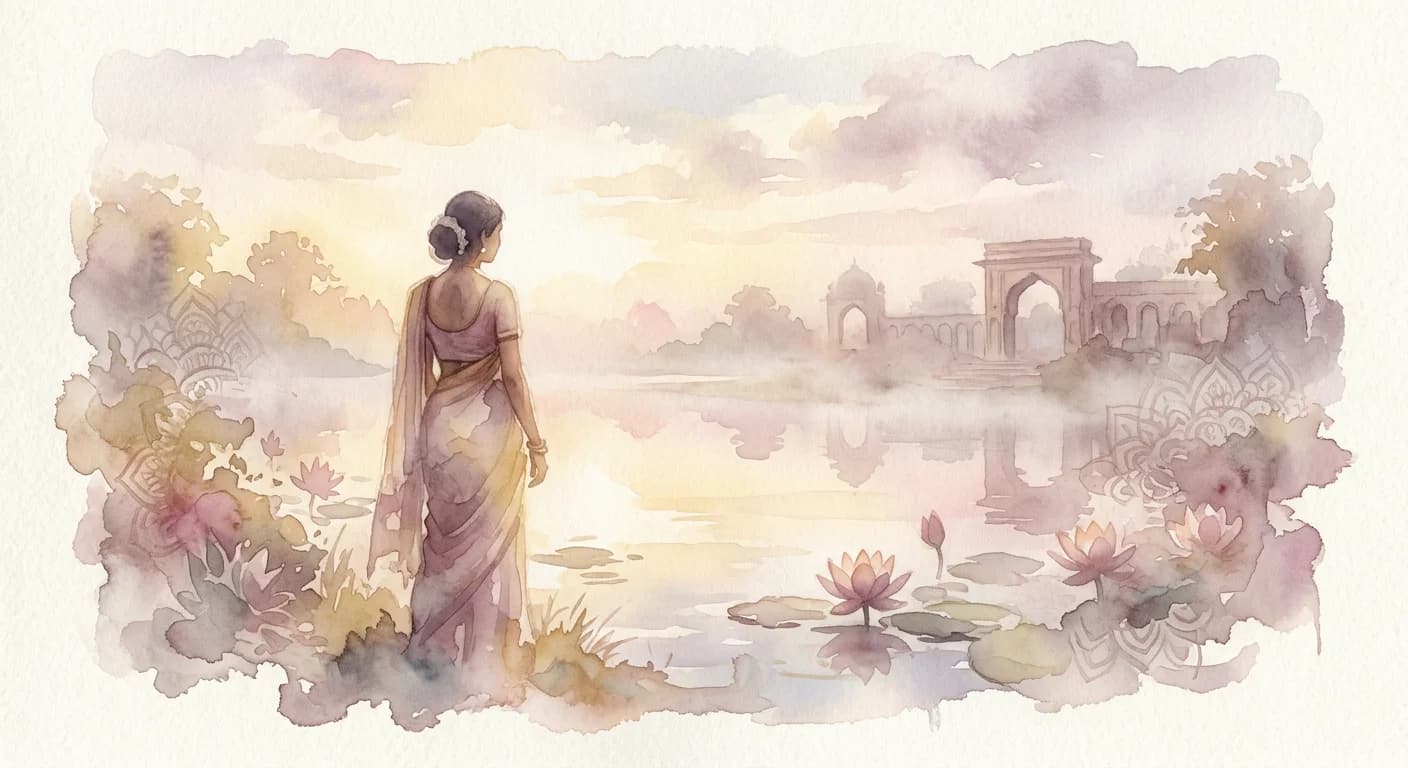
    Artistic representation of Viraag
    Hindi•
    🇮🇳India

    Viraag

    /vee-RAAG/

    Meaning

    Viraag encapsulates a profound, transformative state of dispassion that emerges not from indifference, but from a conscious, often spiritual, journey beyond intense emotional and material attachments. It signifies a serene acceptance of life's inherent impermanence, a quiet liberation from the relentless pull of worldly desires and affections. This state allows for a clear, objective perspective, fostering an inner equilibrium where one can engage with life without being consumed by its fleeting joys and sorrows, ultimately leading to a deeper sense of peace and freedom.

    Literal Translation

    Detachment, dispassion, aversion

    The Story Behind the Word

    The concept of Viraag is deeply embedded in the spiritual and philosophical fabric of India, particularly within Hinduism, Buddhism, and Jainism. It is not merely a psychological state but a cultivated virtue, central to the path of liberation (moksha) and self-realization. Ancient texts like the Bhagavad Gita and the Yoga Sutras frequently extol the virtues of Viraag, presenting it as a prerequisite for true wisdom and inner peace. Its existence underscores a cultural worldview that prioritizes spiritual growth over material accumulation, recognizing the ephemeral nature of worldly existence. This word reveals a societal understanding that true happiness and freedom are found not in acquisition, but in the release from attachment, a profound insight into the human condition's relationship with desire and suffering.

    Experience It

    The Ascetic's Renunciation

    After decades of worldly success, a renowned merchant felt an inexplicable emptiness. He gradually shed his possessions, relinquished his business, and retreated to a quiet ashram. This conscious shedding, born not of failure but of a deep understanding of life's transient nature, was his Viraag.

    Loss and Acceptance

    A woman experienced immense grief after losing her beloved partner. Over time, through meditation and self-reflection, she moved beyond the crushing sorrow to a place of quiet acceptance. Her ability to cherish memories without being consumed by longing, finding peace in the impermanence of life, exemplified Viraag.

    The Deeper Meaning

    Viraag is a cornerstone of several Indian philosophical schools, reflecting a worldview that posits suffering arises from attachment (dukha). By cultivating Viraag, one systematically dismantles the illusion of permanence and the ego's grip on external outcomes. It champions the idea that true freedom (moksha) is an internal state, attainable through wisdom and dispassion, rather than external circumstances or material possessions.

    Did You Know?

    Viraag is often considered a higher, more evolved state than 'tyaag' (renunciation), as it implies an internal emotional release rather than just an external act.

    How It's Used

    Viraag is often used in spiritual and philosophical contexts, particularly within Hindu traditions, to describe the state of a renunciate or someone who has achieved detachment from material possessions and emotional entanglements.

    Emotions
    acceptance,peace,serenity
    Contexts
    personal growth,solitude,spirituality
    🇮🇳India

    by Annelise Dubois·Written Mar 14, 2026·Updated Apr 3, 2026

    Related Words

    Explore more
    Dolce far nienteItalian

    Dolce far niente captures the profound joy and effortless pleasure derived from simply existing without obligation or purpose. It's the art of savoring moments of pure, unadulterated idleness – lying in the sun, watching the clouds drift, or enjoying a leisurely coffee – not as a break from work, but as a valuable state in itself. This 'sweetness of doing nothing' is a conscious embrace of stillness and contentment, allowing the soul to breathe and the senses to fully engage with the present.

    Wabi-sabiJapanese

    Wabi-sabi is the profound appreciation for the ephemeral, the imperfect, and the incomplete aspects of existence. It is about discovering beauty in the subtle textures of age, the unique character of flaws, and the gentle decay that marks the passage of time. This philosophy encourages a quiet acceptance of impermanence and a mindful connection to the natural world, finding elegance in simplicity and authenticity.

    IkigaiJapanese

    Ikigai is more than just a reason to get out of bed; it's a deeply personal and evolving sense of purpose that brings genuine fulfillment and joy to one's life. It represents the sweet spot where your passions, talents, needs of the world, and what you can be paid for beautifully converge. Discovering your ikigai often leads to a life lived with intentionality, resilience, and a profound connection to one's contributions. It's the intrinsic motivation that fuels a meaningful existence, regardless of external circumstances.

    NunchiKorean

    Nunchi is the sophisticated, almost telepathic, ability to instantly grasp the unspoken dynamics of any social situation, anticipating others' thoughts and feelings, and then responding with impeccable grace and timing. It's an acute form of social intuition, allowing one to navigate complex interpersonal landscapes by reading subtle cues like body language, tone, and context. Possessing good nunchi means effortlessly understanding the underlying emotional currents and adjusting one's behavior to maintain harmony and effectiveness, often without a single word exchanged.