U.
HomeRegionsLanguagesEmotionsCollections
Find Your Word

“The limits of my language mean the limits of my world.”

— Ludwig Wittgenstein, Philosopher

Untranslatable

A curated collection of the world's most beautiful expressions—words that remind us language is humanity's greatest invention.

  • Home
  • Collections
  • Regions
  • Countries
  • Emotions
  • Tags
  • Contexts
  • Finder
  • Europe
  • Asia
  • Americas
  • Africa
  • Middle East
  • About
  • Contact
  • Privacy Policy
  • Terms of Service

2026 © Untranslatable. All rights reserved.

    /
    /
    1. Home
    2. /
    3. Asia
    4. /
    5. Ibasho
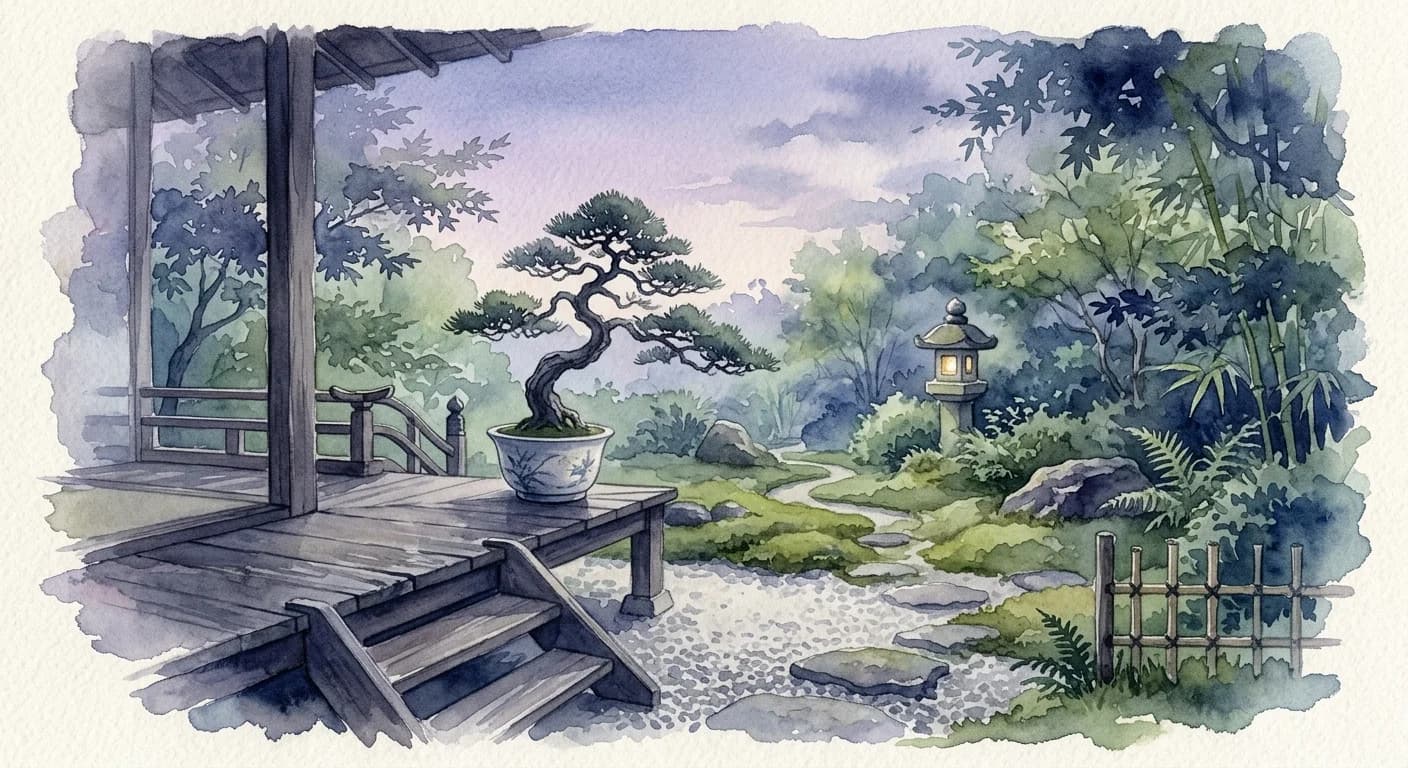
    Artistic representation of Ibasho
    Japanese•
    🇯🇵Japan

    Ibasho

    /ee-BAH-show/

    Meaning

    Ibasho transcends a mere physical location, embodying a cherished sanctuary where one feels profoundly at ease, genuinely accepted, and utterly oneself. It is an emotional anchor, a personal haven that resonates with one's deepest identity, offering comfort, security, and a vital sense of belonging. This intimate space provides a respite from societal pressures, allowing authentic self-expression and fostering a profound sense of rootedness and peace. It's where one's spirit can truly settle and flourish.

    Literal Translation

    place/location (場所) + state/condition (居)

    The Story Behind the Word

    The concept of "ibasho" is deeply interwoven with Japanese cultural values emphasizing harmony (wa), belonging, and the importance of one's place within a group or community. In a society that often prioritizes collective identity and social roles, having an "ibasho" becomes crucial for individual well-being and mental health. It acknowledges the human need for a personal refuge, a counterpoint to the demands of social conformity. It reflects a nuanced understanding that while external harmony is vital, internal peace and authentic self-expression are equally necessary for a fulfilling life, often found in spaces beyond the public gaze. The word's existence highlights a cultural recognition of psychological safety.

    Experience It

    Grandmother's Cozy Nook

    After a long, stressful week at work, Kenji always found his ibasho in his grandmother's small, cluttered living room. Surrounded by her familiar scent and gentle chatter, he could shed his professional persona, sip warm tea, and simply be himself, feeling completely at peace.

    Online Gaming Community

    Mai, a naturally shy person, struggled to connect in large social gatherings. However, within her tight-knit online gaming guild, she discovered her ibasho. Here, she could openly share her strategies, laugh freely, and feel understood and valued by her teammates, regardless of her real-world anxieties.

    The Deeper Meaning

    Ibasho speaks to a fundamental human yearning for authentic existence and psychological safety. It suggests that true well-being isn't solely derived from external achievements or social status, but from cultivating internal spaces and relationships where one's true self can thrive without judgment. It underscores the profound connection between environment, identity, and inner peace, advocating for the creation of conditions that allow individuals to feel genuinely 'at home' in the world.

    Did You Know?

    The concept of 'ibasho' is increasingly recognized in Japanese urban planning and social welfare, with initiatives aiming to create more community spaces where people, especially the elderly or marginalized, can find a sense of belonging and purpose.

    How It's Used

    Used to describe a personal space, a favorite spot, or a community where one feels a deep sense of belonging and comfort.

    Emotions
    belonging,comfort,peace,serenity
    Contexts
    family,relaxation,solitude,work
    🇯🇵Japan

    by Annelise Dubois·Written Mar 14, 2026·Updated Apr 3, 2026

    Related Words

    Explore more
    Dolce far nienteItalian

    Dolce far niente captures the profound joy and effortless pleasure derived from simply existing without obligation or purpose. It's the art of savoring moments of pure, unadulterated idleness – lying in the sun, watching the clouds drift, or enjoying a leisurely coffee – not as a break from work, but as a valuable state in itself. This 'sweetness of doing nothing' is a conscious embrace of stillness and contentment, allowing the soul to breathe and the senses to fully engage with the present.

    SobremesaSpanish

    Sobremesa is the cherished, often extended period immediately following a meal, particularly lunch or dinner, where diners remain seated at the table to enjoy conversation, coffee, and digest not just the food, but the company itself. It’s a dedicated time for unhurried social bonding, storytelling, and shared laughter, transforming a simple meal into a profound communal experience. Far from just clearing the dishes, sobremesa is an integral part of Spanish social life, often lasting for hours.

    Wabi-sabiJapanese

    Wabi-sabi is the profound appreciation for the ephemeral, the imperfect, and the incomplete aspects of existence. It is about discovering beauty in the subtle textures of age, the unique character of flaws, and the gentle decay that marks the passage of time. This philosophy encourages a quiet acceptance of impermanence and a mindful connection to the natural world, finding elegance in simplicity and authenticity.

    IkigaiJapanese

    Ikigai is more than just a reason to get out of bed; it's a deeply personal and evolving sense of purpose that brings genuine fulfillment and joy to one's life. It represents the sweet spot where your passions, talents, needs of the world, and what you can be paid for beautifully converge. Discovering your ikigai often leads to a life lived with intentionality, resilience, and a profound connection to one's contributions. It's the intrinsic motivation that fuels a meaningful existence, regardless of external circumstances.