U.
HomeRegionsLanguagesEmotionsCollections
Find Your Word

“The limits of my language mean the limits of my world.”

— Ludwig Wittgenstein, Philosopher

Untranslatable

A curated collection of the world's most beautiful expressions—words that remind us language is humanity's greatest invention.

  • Home
  • Collections
  • Regions
  • Countries
  • Emotions
  • Tags
  • Contexts
  • Finder
  • Europe
  • Asia
  • Americas
  • Africa
  • Middle East
  • About
  • Contact
  • Privacy Policy
  • Terms of Service

2026 © Untranslatable. All rights reserved.

    /
    /
    1. Home
    2. /
    3. Asia
    4. /
    5. Kokoro
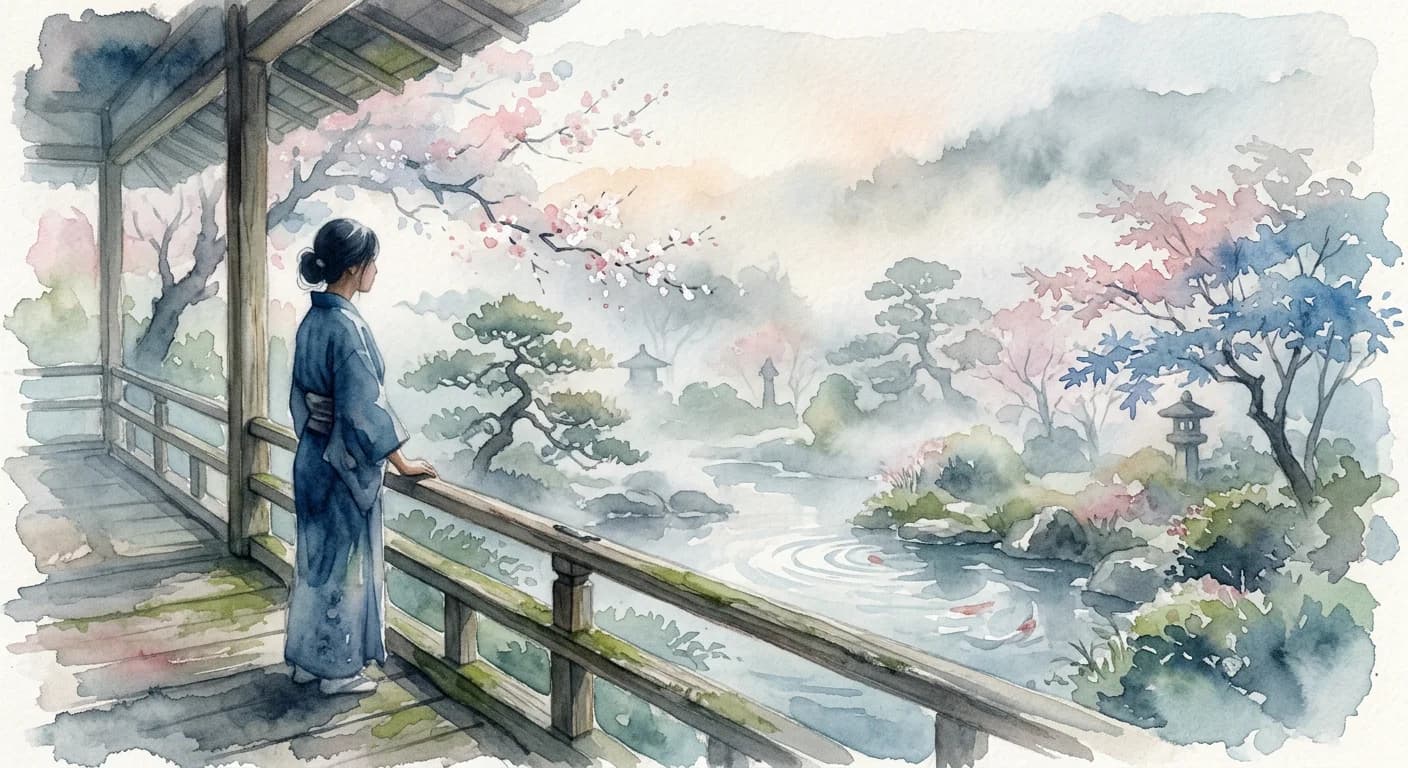
    Artistic representation of Kokoro
    Japanese•
    🇯🇵Japan

    Kokoro

    /koh-koh-roh/

    Meaning

    Kokoro is the vibrant wellspring of human existence, an indivisible trinity of heart, mind, and spirit. It's the core essence that animates us, encompassing not just intellect or emotion, but the profound interconnectedness of our inner landscape. This holistic concept suggests that our thoughts, feelings, and spiritual inclinations are not distinct compartments, but rather a unified flow that shapes our perception of the world and dictates the authenticity of our being.

    Literal Translation

    Heart/Mind/Spirit

    The Story Behind the Word

    The concept of 'kokoro' is deeply embedded in Japanese philosophy and culture, reflecting a long-standing emphasis on harmony and holism. Dating back to classical literature and Buddhist thought, it emerged from a worldview that perceives existence as interconnected, where the internal state profoundly influences external reality. Unlike Western dualisms separating mind and body, 'kokoro' bridges these, emphasizing an integrated self where intuition, reason, and spiritual awareness coalesce. This word reveals a culture that values sincerity, emotional depth, and a profound sense of self-awareness, believing that a well-cultivated 'kokoro' is essential for ethical action, artistic expression, and meaningful relationships.

    Experience It

    Chef's Dedicated Kokoro

    Chef Hiroshi meticulously prepared each dish, his movements precise and infused with care. His 'kokoro' was poured into the meal, a dedication not just to technique, but to nurturing his guests' senses and well-being through his culinary art.

    Artist's True Kokoro

    The calligrapher paused, brush poised over paper, seeking the perfect balance. She wasn't just drawing characters; she was channeling her inner 'kokoro' – her spirit, emotion, and understanding – into each stroke, making the artwork a direct expression of her soul.

    The Deeper Meaning

    Kokoro unveils a philosophical perspective that rejects simplistic dualities, positing that true human experience arises from an undivided self. It champions the idea that genuine understanding and authentic action stem from a deep internal coherence, where intellectual thought is balanced by emotional intelligence and spiritual resonance. This concept underscores the Japanese emphasis on sincerity (magokoro) and the belief that one's inner state profoundly impacts their interactions with the world.

    Did You Know?

    In ancient Japan, 'kokoro' was sometimes believed to reside in the stomach or intestines, not just the chest, highlighting its deep connection to physical sensation and gut feelings.

    How It's Used

    Used to refer to the inner self, the seat of emotions and consciousness, and the core of one's being.

    Emotions
    belonging,longing,love,peace,warmth
    Contexts
    family,friendship,romance,solitude
    🇯🇵Japan

    by Dr. Kenji Tanaka·Written Mar 14, 2026·Updated Apr 3, 2026

    Related Words

    Explore more
    GezelligDutch

    Gezellig encapsulates a profound sense of warmth, belonging, and convivial comfort, extending beyond mere coziness to embrace the social and emotional atmosphere. It's the feeling of being truly at ease, surrounded by good company, laughter, and a shared sense of contentment. This untranslatable term describes not just a physical space, but a holistic experience where time seems to slow down, fostering genuine connection and a deep sense of well-being.

    Dolce far nienteItalian

    Dolce far niente captures the profound joy and effortless pleasure derived from simply existing without obligation or purpose. It's the art of savoring moments of pure, unadulterated idleness – lying in the sun, watching the clouds drift, or enjoying a leisurely coffee – not as a break from work, but as a valuable state in itself. This 'sweetness of doing nothing' is a conscious embrace of stillness and contentment, allowing the soul to breathe and the senses to fully engage with the present.

    SobremesaSpanish

    Sobremesa is the cherished, often extended period immediately following a meal, particularly lunch or dinner, where diners remain seated at the table to enjoy conversation, coffee, and digest not just the food, but the company itself. It’s a dedicated time for unhurried social bonding, storytelling, and shared laughter, transforming a simple meal into a profound communal experience. Far from just clearing the dishes, sobremesa is an integral part of Spanish social life, often lasting for hours.

    Wabi-sabiJapanese

    Wabi-sabi is the profound appreciation for the ephemeral, the imperfect, and the incomplete aspects of existence. It is about discovering beauty in the subtle textures of age, the unique character of flaws, and the gentle decay that marks the passage of time. This philosophy encourages a quiet acceptance of impermanence and a mindful connection to the natural world, finding elegance in simplicity and authenticity.