U.
HomeRegionsLanguagesEmotionsCollections
Find Your Word

“The limits of my language mean the limits of my world.”

— Ludwig Wittgenstein, Philosopher

Untranslatable

A curated collection of the world's most beautiful expressions—words that remind us language is humanity's greatest invention.

  • Home
  • Collections
  • Regions
  • Countries
  • Emotions
  • Tags
  • Contexts
  • Finder
  • Europe
  • Asia
  • Americas
  • Africa
  • Middle East
  • About
  • Contact
  • Privacy Policy
  • Terms of Service

2026 © Untranslatable. All rights reserved.

    /
    /
    1. Home
    2. /
    3. Asia
    4. /
    5. Shoshin
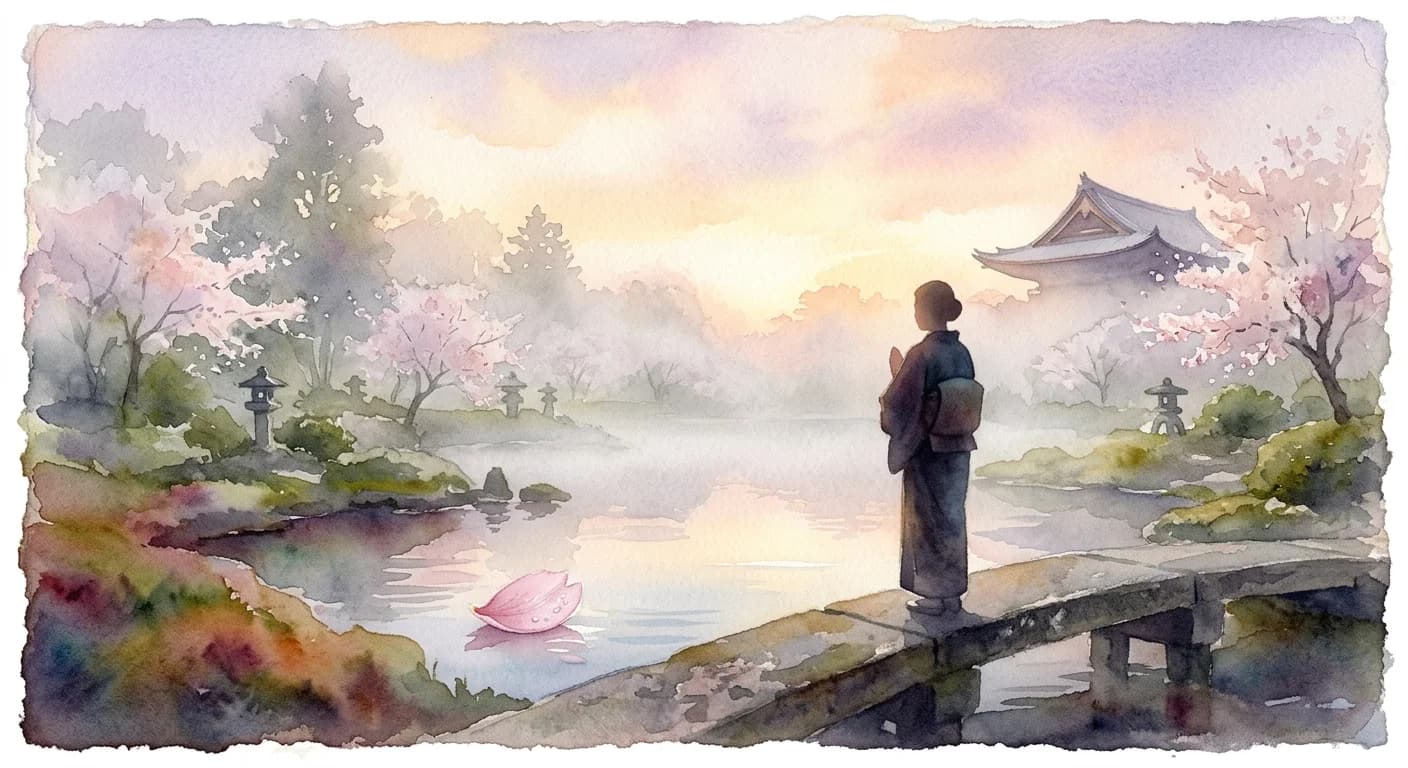
    Artistic representation of Shoshin
    Japanese•
    🇯🇵Japan

    Shoshin

    /SHO-shin/

    Meaning

    Shoshin, the 'beginner's mind,' is a profound Zen Buddhist tenet urging us to approach every experience with the fresh eyes, open heart, and eager curiosity of a novice, regardless of our actual skill or knowledge. It’s about consciously shedding the weight of preconceptions, expert arrogance, and past failures to embrace the present moment with humility and wonder. This mindset unlocks deeper understanding, fosters continuous growth, and transforms routine into a pathway for discovery, ensuring that even the most familiar tasks remain vibrant and full of potential.

    Literal Translation

    beginner's mind

    The Story Behind the Word

    The concept of Shoshin is deeply embedded in Zen Buddhism, which arrived in Japan from China, emphasizing direct experience and enlightenment through meditation and mindful practice. It reflects a core Japanese cultural value: the lifelong pursuit of mastery, not as an end state, but as a continuous journey of refinement and learning. Shoshin is vital in traditional arts (like tea ceremony, calligraphy, martial arts), where even grand masters are expected to maintain an open, teachable spirit. It reveals a worldview that prizes humility over hubris, process over outcome, and recognizes that true wisdom lies not in accumulating knowledge, but in perpetually questioning and rediscovering the essence of things, thus fostering innovation and adaptation even within highly structured traditions.

    Experience It

    Martial Arts Master

    A seasoned Kendo master, after decades of practice, approaches a new kata as if it were his very first. He watches his instructor with intense focus, his mind clear of any 'I know this already' thoughts, allowing for subtle nuances and alternative interpretations to emerge, deepening his understanding of even fundamental movements.

    Everyday Task

    A seasoned chef, preparing a dish she has made thousands of times, consciously practices Shoshin. Instead of rushing, she meticulously tastes each ingredient, observes the texture, and listens to the sizzle, discovering a slightly different flavor profile or an improved technique in her familiar routine, making the process fresh again.

    The Deeper Meaning

    Shoshin embodies a profound philosophy that challenges the conventional Western notion of expertise as a definitive endpoint. It suggests that true mastery isn't about reaching a summit, but about maintaining an eternal ascent. This perspective prioritizes the journey of learning, the process of engagement, and the constant renewal of perception over the static accumulation of knowledge or status, promoting a life of continuous growth and mindful presence.

    Did You Know?

    The phrase 'In the beginner's mind there are many possibilities, but in the expert's mind there are few' is a famous quote from Zen master Shunryu Suzuki, perfectly encapsulating Shoshin.

    How It's Used

    Shoshin is often invoked in martial arts, meditation, and any learning endeavor, reminding practitioners to maintain humility and openness regardless of their skill level or experience.

    Emotions
    gratitude,hope,peace,wonder
    Contexts
    education,relaxation,travel,work
    🇯🇵Japan

    by Dr. Kenji Tanaka·Written Mar 14, 2026·Updated Apr 3, 2026

    Related Words

    Explore more
    Dolce far nienteItalian

    Dolce far niente captures the profound joy and effortless pleasure derived from simply existing without obligation or purpose. It's the art of savoring moments of pure, unadulterated idleness – lying in the sun, watching the clouds drift, or enjoying a leisurely coffee – not as a break from work, but as a valuable state in itself. This 'sweetness of doing nothing' is a conscious embrace of stillness and contentment, allowing the soul to breathe and the senses to fully engage with the present.

    Wabi-sabiJapanese

    Wabi-sabi is the profound appreciation for the ephemeral, the imperfect, and the incomplete aspects of existence. It is about discovering beauty in the subtle textures of age, the unique character of flaws, and the gentle decay that marks the passage of time. This philosophy encourages a quiet acceptance of impermanence and a mindful connection to the natural world, finding elegance in simplicity and authenticity.

    IkigaiJapanese

    Ikigai is more than just a reason to get out of bed; it's a deeply personal and evolving sense of purpose that brings genuine fulfillment and joy to one's life. It represents the sweet spot where your passions, talents, needs of the world, and what you can be paid for beautifully converge. Discovering your ikigai often leads to a life lived with intentionality, resilience, and a profound connection to one's contributions. It's the intrinsic motivation that fuels a meaningful existence, regardless of external circumstances.

    NunchiKorean

    Nunchi is the sophisticated, almost telepathic, ability to instantly grasp the unspoken dynamics of any social situation, anticipating others' thoughts and feelings, and then responding with impeccable grace and timing. It's an acute form of social intuition, allowing one to navigate complex interpersonal landscapes by reading subtle cues like body language, tone, and context. Possessing good nunchi means effortlessly understanding the underlying emotional currents and adjusting one's behavior to maintain harmony and effectiveness, often without a single word exchanged.