U.
HomeRegionsLanguagesEmotionsCollections
Find Your Word

“The limits of my language mean the limits of my world.”

— Ludwig Wittgenstein, Philosopher

Untranslatable

A curated collection of the world's most beautiful expressions—words that remind us language is humanity's greatest invention.

  • Home
  • Collections
  • Regions
  • Countries
  • Emotions
  • Tags
  • Contexts
  • Finder
  • Europe
  • Asia
  • Americas
  • Africa
  • Middle East
  • About
  • Contact
  • Privacy Policy
  • Terms of Service

2026 © Untranslatable. All rights reserved.

    /
    /
    1. Home
    2. /
    3. Africa
    4. /
    5. Umoja
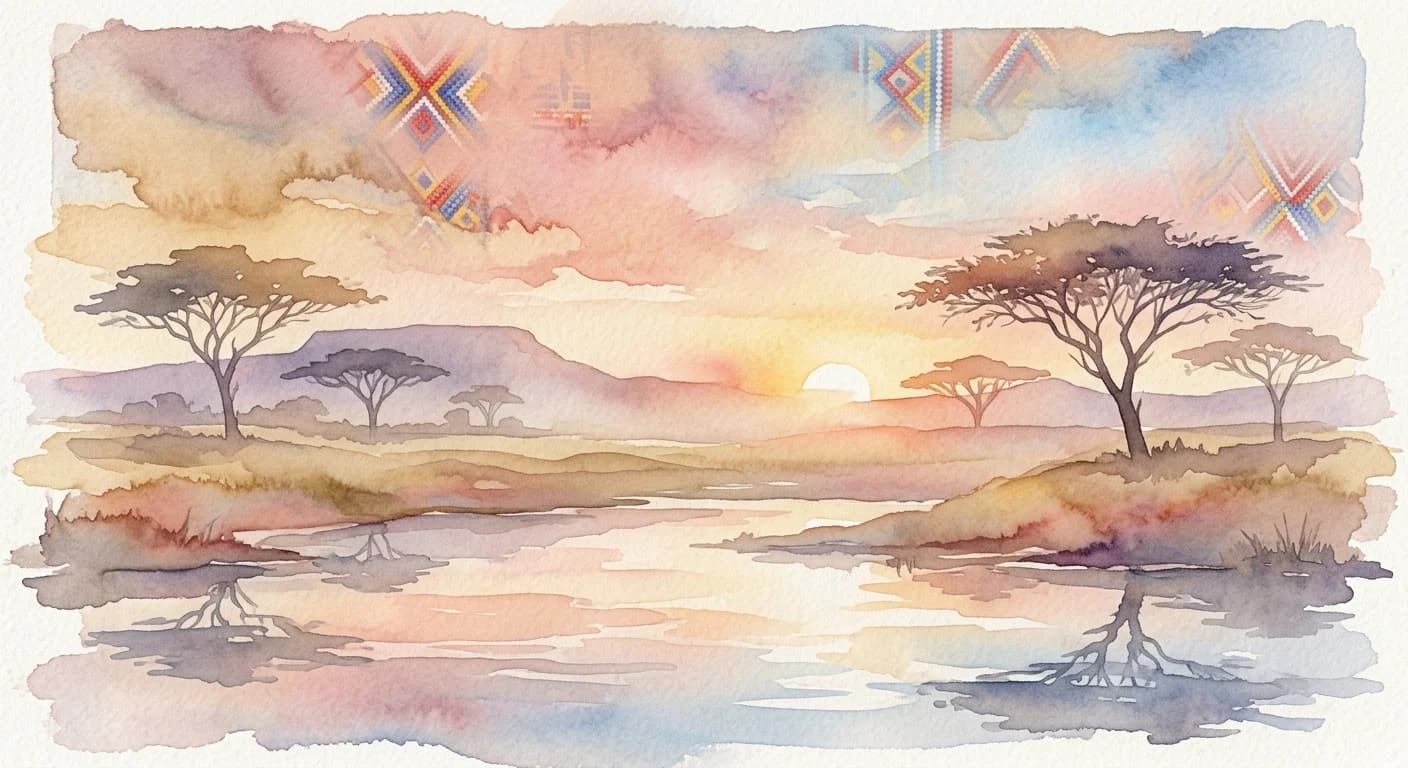
    Artistic representation of Umoja
    Swahili•
    🇧🇮Burundi🇰🇲Comoros🇨🇩Democratic Republic of the Congo🇰🇪Kenya🇲🇼Malawi🇲🇿Mozambique🇷🇼Rwanda🇸🇨Seychelles🇸🇴Somalia🇹🇿Tanzania🇺🇬Uganda

    Umoja

    /oo-MOH-jah/

    Meaning

    Umoja transcends the simple act of coming together; it embodies a profound, almost spiritual, sense of collective identity and shared existence. It is the understanding that individual well-being is inextricably linked to the prosperity of the community, fostering a deep commitment to harmony, solidarity, and mutual support. This powerful ethos underpins social cohesion, urging individuals to recognize their interdependence and work collaboratively towards common goals, thereby strengthening the fabric of society and ensuring collective progress.

    Literal Translation

    Unity

    The Story Behind the Word

    The concept of Umoja is deeply woven into the historical and philosophical tapestry of East African societies, particularly in Kenya and Tanzania. Its roots can be traced to traditional communal living structures, where survival and prosperity depended entirely on collaboration and mutual aid. In a land often challenged by environmental factors and the need for collective defense, the individual was always seen as part of a larger whole. Post-independence, leaders like Jomo Kenyatta in Kenya utilized 'Harambee' (pulling together) and 'Umoja' as foundational pillars for nation-building, emphasizing unity among diverse tribes to forge a single national identity. This reveals a worldview where relationality precedes individuality, and where the strength of the collective is paramount, not just for survival, but for thriving.

    Experience It

    Village Well Project

    After a prolonged drought, the village elders called for a community meeting. Instead of waiting for external aid, everyone, from the youngest able-bodied person to the oldest, contributed their time and effort to dig a new well, embodying Umoja in their shared labor and hope for water.

    National Election Unity

    During a tense national election, community leaders across different ethnic lines came together to promote peaceful dialogue and mutual respect. Their message of Umoja helped de-escalate tensions, reminding citizens that their shared national identity was more important than political divisions.

    The Deeper Meaning

    Umoja articulates a philosophical stance that challenges Western individualism, positing that true strength and identity are found within the collective. It suggests that human flourishing is not achieved in isolation but through interconnectedness and shared responsibility. This worldview prioritizes communal harmony and the well-being of the group over individualistic pursuits, seeing the person as fundamentally relational and embedded within a social matrix.

    Did You Know?

    Umoja is the first principle of Kwanzaa, an African-American and Pan-African holiday, emphasizing unity in family, community, nation, and race, highlighting its universal resonance.

    How It's Used

    Umoja is used in various contexts, from political slogans advocating for national unity to everyday conversations emphasizing community spirit and cooperation. It's a foundational concept in many East African cultures.

    Emotions
    belonging,gratitude,peace
    Contexts
    celebration,family,friendship
    🇧🇮Burundi🇰🇲Comoros🇨🇩Democratic Republic of the Congo🇰🇪Kenya🇲🇼Malawi🇲🇿Mozambique🇷🇼Rwanda🇸🇨Seychelles🇸🇴Somalia🇹🇿Tanzania🇺🇬Uganda

    by Dr. Kenji Tanaka·Written Mar 14, 2026·Updated Apr 3, 2026

    Related Words

    Explore more
    Dolce far nienteItalian

    Dolce far niente captures the profound joy and effortless pleasure derived from simply existing without obligation or purpose. It's the art of savoring moments of pure, unadulterated idleness – lying in the sun, watching the clouds drift, or enjoying a leisurely coffee – not as a break from work, but as a valuable state in itself. This 'sweetness of doing nothing' is a conscious embrace of stillness and contentment, allowing the soul to breathe and the senses to fully engage with the present.

    SobremesaSpanish

    Sobremesa is the cherished, often extended period immediately following a meal, particularly lunch or dinner, where diners remain seated at the table to enjoy conversation, coffee, and digest not just the food, but the company itself. It’s a dedicated time for unhurried social bonding, storytelling, and shared laughter, transforming a simple meal into a profound communal experience. Far from just clearing the dishes, sobremesa is an integral part of Spanish social life, often lasting for hours.

    Pura vidaSpanish

    More than just 'pure life,' "Pura vida" encapsulates a profound philosophy of embracing the present moment with unwavering optimism and gratitude. It's a daily commitment to finding joy in simple pleasures, accepting life's challenges with a positive spirit, and prioritizing well-being over material possessions. This ubiquitous phrase reflects a national identity built on resilience, community, and an deep appreciation for nature's bounty.

    UbuntuZulu/Xhosa

    Ubuntu is a profound African philosophy that translates to 'I am because we are,' signifying that an individual's humanity is inextricably linked to the humanity of others. It embodies the belief that our existence and well-being are deeply intertwined with the community. This concept emphasizes compassion, reciprocity, dignity, and the understanding that true fulfillment is found not in isolation, but through collective flourishing and mutual support. It's a call to recognize and affirm the humanity in everyone, fostering a sense of interconnectedness.