U.
HomeRegionsLanguagesEmotionsCollections
Find Your Word

“The limits of my language mean the limits of my world.”

— Ludwig Wittgenstein, Philosopher

Untranslatable

A curated collection of the world's most beautiful expressions—words that remind us language is humanity's greatest invention.

  • Home
  • Collections
  • Regions
  • Countries
  • Emotions
  • Tags
  • Contexts
  • Finder
  • Europe
  • Asia
  • Americas
  • Africa
  • Middle East
  • About
  • Contact
  • Privacy Policy
  • Terms of Service

2026 © Untranslatable. All rights reserved.

    /
    /
    1. Home
    2. /
    3. Middle East
    4. /
    5. Baraka
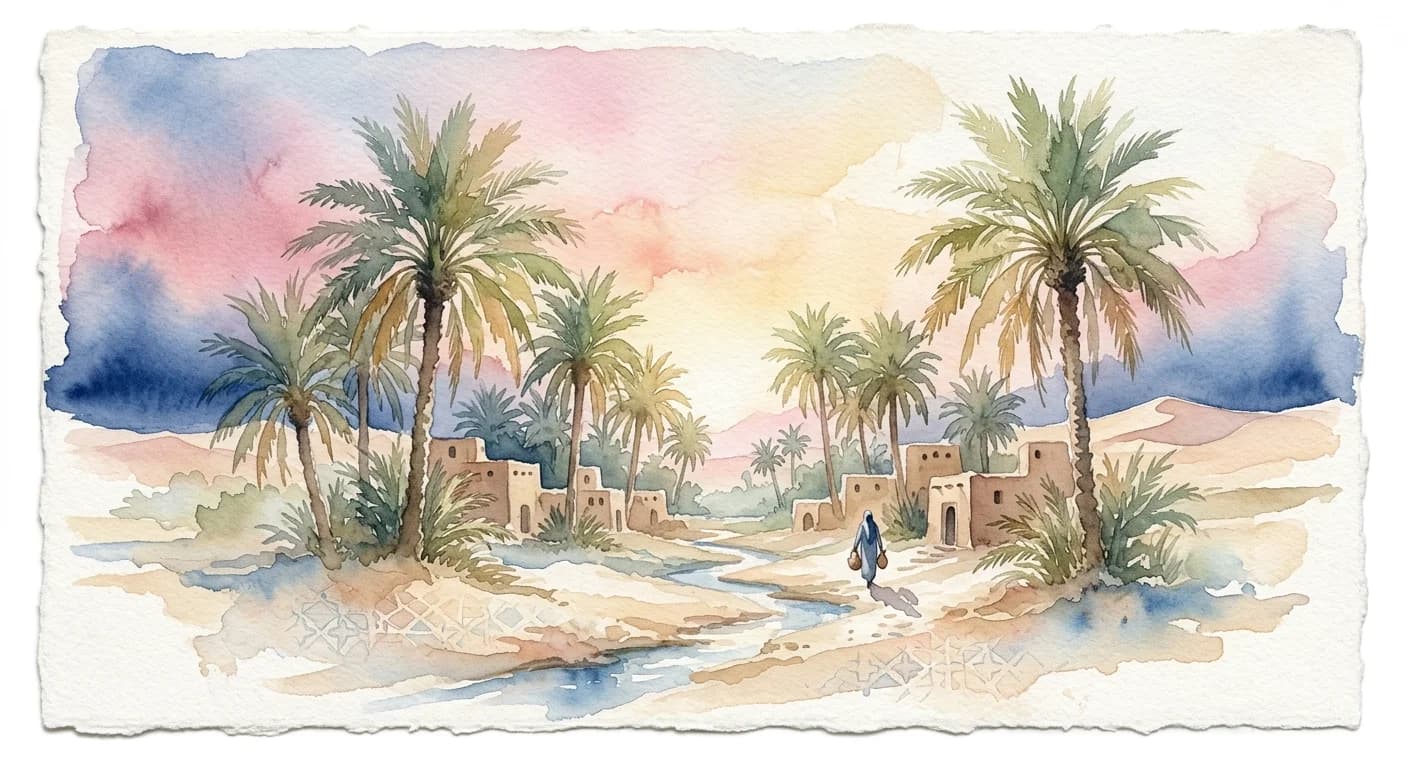
    Artistic representation of Baraka
    Arabic•
    🇩🇿Algeria🇪🇬Egypt🇲🇦Morocco🇹🇳Tunisia

    Baraka

    /bah-RAH-kah/

    Meaning

    Baraka is more than mere luck; it is a profound divine blessing, a palpable spiritual energy that emanates directly from God. This sacred grace can imbue individuals, places, or even objects, often stemming from holy figures or revered sites, fostering a deep sense of spiritual abundance. It permeates daily existence, guiding interactions and shaping the pursuit of divine favor, offering a connection to the sacred that far transcends material prosperity.

    Literal Translation

    Blessing, grace

    The Story Behind the Word

    The concept of Baraka is deeply interwoven with Islamic mysticism and folk religiosity across North Africa, particularly in Algeria. It reflects a worldview where the divine is not distant but actively present, manifesting through chosen individuals (like Sufi saints or marabouts) or sacred spaces. This belief provides a spiritual framework for understanding fortune, misfortune, and the efficacy of prayers and rituals. It explains why people seek blessings from respected elders, visit shrines, or believe certain objects possess a benevolent influence. Baraka underscores a communal spiritual economy, where blessings can be shared, transferred, and sought, reinforcing social bonds and a collective sense of divine connection and intervention in everyday life.

    Experience It

    Seeking a Saint's Blessing

    A young couple, struggling to conceive, travels to a revered marabout's shrine. They offer prayers and touch the saint's tomb, hoping to absorb some of the Baraka believed to reside there, trusting it will aid their desire for a child.

    The Grandfather's Touch

    Before an important exam, a student visits his grandfather. The elder places his hand on the student's head, whispering a prayer, imparting his Baraka for wisdom and success, a common gesture of blessing and good fortune.

    The Deeper Meaning

    Baraka encapsulates a worldview where the sacred is not separate from the mundane but infused within it. It highlights a participatory spirituality where humans can actively seek, receive, and even transmit divine grace. This concept fosters a sense of interconnectedness between the divine, humanity, and the natural world, suggesting that spiritual well-being is a tangible force that shapes destiny and offers solace.

    Did You Know?

    The word 'Baraka' is the root of the Spanish word 'albaricoque' and Portuguese 'albricoque', both meaning apricot. This likely stems from the fruit's perceived health benefits and auspicious nature.

    How It's Used

    Used to describe a divine blessing, good fortune, or spiritual power believed to be bestowed by God. It can be invoked in relation to people, places, or objects, often in contexts of religious belief or seeking divine favor.

    Emotions
    gratitude,hope,peace,wonder
    Contexts
    celebration,family,greeting,religion
    🇩🇿Algeria🇪🇬Egypt🇲🇦Morocco🇹🇳Tunisia

    by Sofia Rossi·Written Mar 14, 2026·Updated Apr 3, 2026

    Related Words

    Explore more
    Dolce far nienteItalian

    Dolce far niente captures the profound joy and effortless pleasure derived from simply existing without obligation or purpose. It's the art of savoring moments of pure, unadulterated idleness – lying in the sun, watching the clouds drift, or enjoying a leisurely coffee – not as a break from work, but as a valuable state in itself. This 'sweetness of doing nothing' is a conscious embrace of stillness and contentment, allowing the soul to breathe and the senses to fully engage with the present.

    Pura vidaSpanish

    More than just 'pure life,' "Pura vida" encapsulates a profound philosophy of embracing the present moment with unwavering optimism and gratitude. It's a daily commitment to finding joy in simple pleasures, accepting life's challenges with a positive spirit, and prioritizing well-being over material possessions. This ubiquitous phrase reflects a national identity built on resilience, community, and an deep appreciation for nature's bounty.

    TarofPersian

    Tarof is a deeply ingrained Iranian social custom, a delicate dance of politeness and deference where individuals engage in an elaborate exchange of offers and refusals. It's a performative humility, a way of showing respect and avoiding imposing, often involving multiple cycles of insistence and polite decline before a genuine acceptance or refusal is reached. This intricate ritual governs interactions from sharing food to paying bills, creating a nuanced social ballet.

    TarabArabic

    Tarab is far more than mere enjoyment; it's a profound, almost spiritual communion with music, where the performer and audience become one in a shared emotional journey. It signifies a state of ecstatic enchantment, a deep emotional surrender that transcends the self, leading to a transformative experience. This intense connection often manifests as spontaneous vocalizations, tears, or even physical swaying, as the music penetrates the soul and evokes a powerful release of feeling. It's a moment of pure, unadulterated musical rapture.