Afkham
/AF-khahm/
Meaning
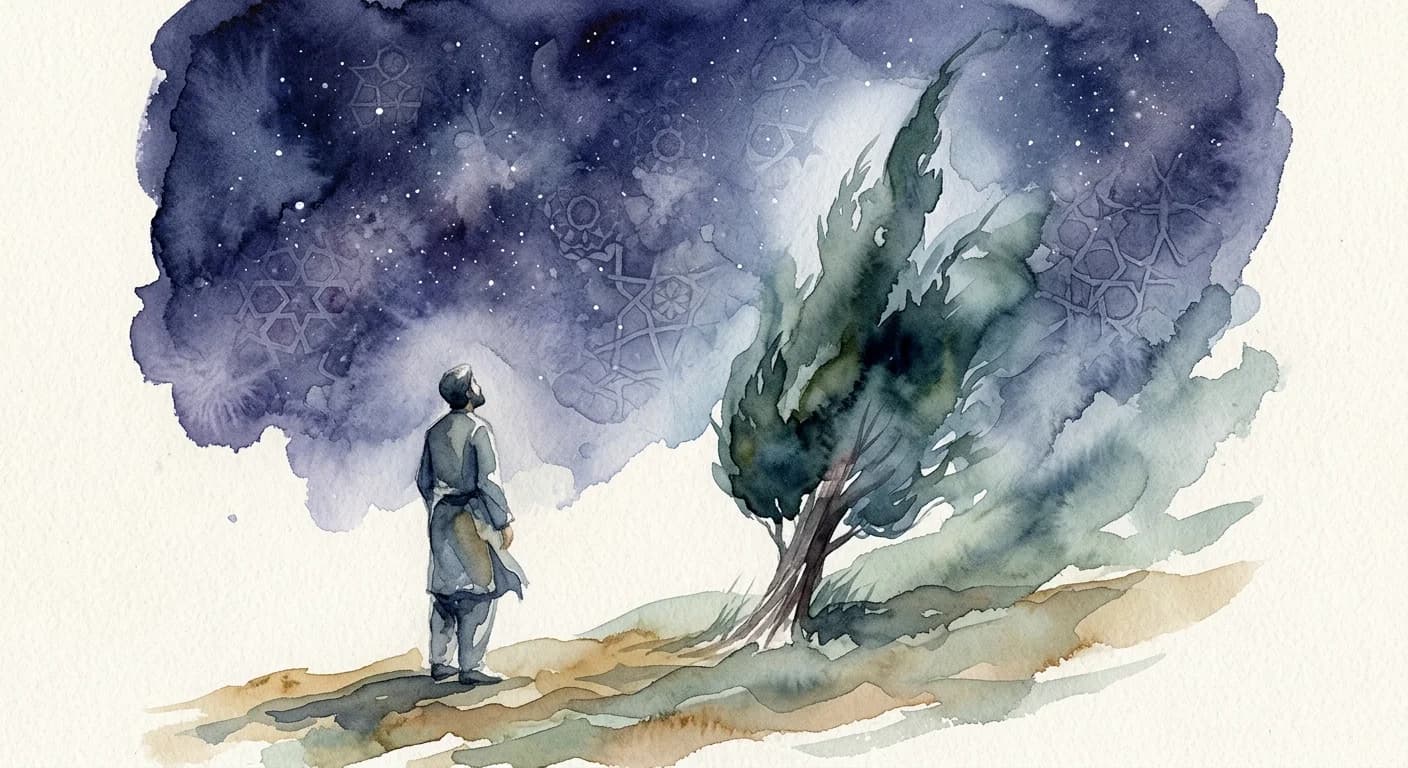
Afkham describes a profound, almost spiritual sense of awe and admiration, a deep reverence that transcends mere impressiveness. It's the silent, absorbed contemplation experienced when encountering something truly sublime – be it the monumental beauty of Isfahan's mosques, the wisdom in a revered poet's verse, or an act of extraordinary moral courage. This feeling momentarily stills the mind, overwhelming ordinary thoughts and emotions with the sheer magnificence of the subject, leaving one deeply moved and humbled.
Literal Translation
There isn't a direct literal translation, but it relates to concepts of grandeur and magnificence.
The Story Behind the Word
The concept of 'Afkham' is deeply rooted in Persian culture's historical appreciation for grandeur, beauty, and spiritual profundity. From the intricate artistry of Persian miniatures and architecture to the philosophical depth of Sufi poetry, there's a long tradition of seeking and celebrating the sublime. This word reflects a cultural sensibility that values not just aesthetic pleasure but a deeper, almost mystical connection to beauty and moral excellence. It encapsulates a worldview where true magnificence evokes a sense of humility and a recognition of something greater than oneself, often linking earthly beauty to divine perfection, echoing themes found in Rumi and Hafez.
Experience It
Desert Sunset Revelation
Standing before the vast, silent expanse of the Iranian desert as the sun dipped below the horizon, painting the sky in fiery hues, she felt a profound 'Afkham'. The sheer scale and untouched beauty of nature silenced her thoughts, leaving only a deep, reverent awe.
Master Poet's Wisdom
As the old man recited a complex poem by Hafez, his voice resonating with centuries of wisdom, the young student felt 'Afkham'. The profound insights and exquisite language of the verse stirred his soul, inspiring a silent, deep admiration for the poet's genius.
The Deeper Meaning
This word reveals a philosophical inclination within Persian culture to perceive beauty and moral excellence not merely as superficial qualities but as manifestations of a deeper, often divine, order. 'Afkham' suggests that true sublimity has the power to transcend the mundane, momentarily elevating the human spirit and fostering a sense of interconnectedness with the grander tapestry of existence or creation.
Did You Know?
The root of 'Afkham' is related to 'fakhr' (pride/glory), suggesting that true glory or magnificence naturally inspires this profound, almost reverent awe, rather than just simple admiration.
How It's Used
Used to express deep admiration and awe when encountering something or someone exceptionally impressive, beautiful, or morally significant.