U.
HomeRegionsLanguagesEmotionsCollections
Find Your Word

“The limits of my language mean the limits of my world.”

— Ludwig Wittgenstein, Philosopher

Untranslatable

A curated collection of the world's most beautiful expressions—words that remind us language is humanity's greatest invention.

  • Home
  • Collections
  • Regions
  • Countries
  • Emotions
  • Tags
  • Contexts
  • Finder
  • Europe
  • Asia
  • Americas
  • Africa
  • Middle East
  • About
  • Contact
  • Privacy Policy
  • Terms of Service

2026 © Untranslatable. All rights reserved.

    /
    /
    1. Home
    2. /
    3. Asia
    4. /
    5. Ahimsa
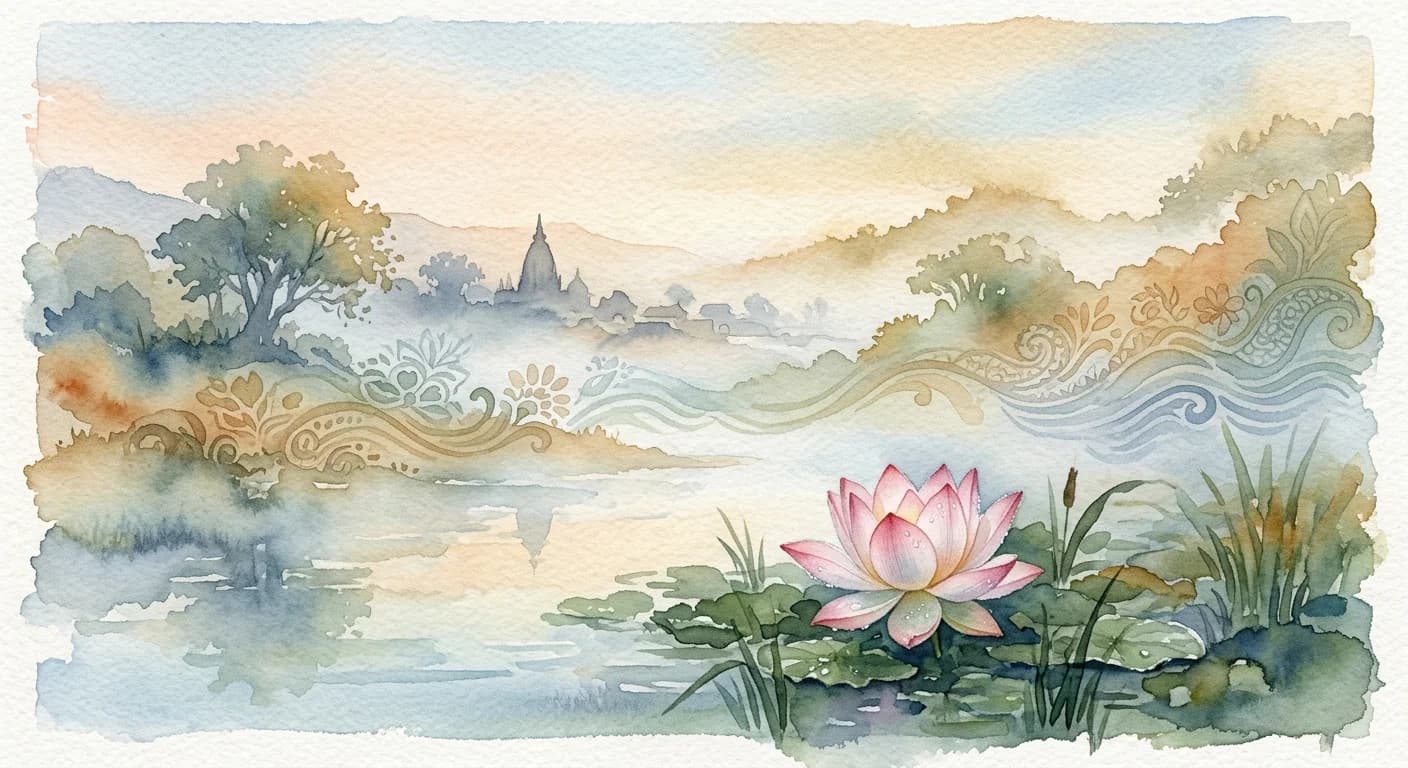
    Artistic representation of Ahimsa
    Sanskrit•
    🇮🇳India

    Ahimsa

    /uh-HIM-sah/

    Meaning

    Ahimsa transcends mere non-violence; it is a profound spiritual discipline rooted in the active cultivation of compassion, empathy, and reverence for all forms of life. It embodies a conscious commitment to cause no harm, whether through physical action, spoken word, or even fleeting thought. This principle beckons individuals towards a holistic way of being, fostering inner peace and contributing to the harmony of the universe by recognizing the inherent divinity and interconnectedness of every living entity.

    Literal Translation

    non-violence

    The Story Behind the Word

    Ahimsa is a cornerstone of Indian spiritual traditions, predating even the Vedic period, and is deeply embedded in Hinduism, Jainism, and Buddhism. Its existence reflects a worldview where the sacred permeates all life, and karma dictates that actions, even thoughts, have profound repercussions. For Jains, Ahimsa is the supreme dharma, extending to the most minute organisms and influencing strict dietary and lifestyle choices. In Hinduism, it's a cardinal virtue (yama) guiding ethical conduct. The concept reveals a society that historically valued spiritual liberation and recognized the profound impact of individual conduct on cosmic order, urging a compassionate engagement with the world rather than domination.

    Experience It

    Dietary Choice

    A young Hindu woman, influenced by Ahimsa, chooses a vegetarian diet not just for health, but out of deep respect for animal life. She believes consuming meat contributes to unnecessary suffering, and her choice aligns her actions with her compassionate values, fostering a sense of inner peace.

    Conflict Resolution

    During a community dispute, an elder steeped in the principles of Ahimsa advocates for dialogue and understanding over punitive measures. He emphasizes finding common ground and fostering reconciliation, believing that true justice lies in restoring harmony rather than perpetuating animosity.

    The Deeper Meaning

    Ahimsa reveals a worldview where all life is interconnected and sacred, emphasizing that true spiritual progress requires transcending ego-driven desires to actively foster universal well-being. It posits that inner purity and outer peace are inseparable, and that genuine liberation (moksha or nirvana) is attained not through conquest, but through the cultivation of boundless compassion and a conscious refusal to inflict suffering on any being.

    Did You Know?

    Mahatma Gandhi's philosophy of Satyagraha, or 'truth-force,' was directly built upon the principle of Ahimsa, transforming it into a powerful tool for nonviolent political resistance against oppression, inspiring civil rights movements globally.

    How It's Used

    Ahimsa is used as a philosophical and ethical concept, often invoked in discussions of spirituality, ethics, and social justice. It's a core tenet that influences personal behavior, dietary choices (vegetarianism), and approaches to conflict resolution. It is also famously associated with Mahatma Gandhi's philosophy of nonviolent resistance.

    Emotions
    compassion,gratitude,peace,serenity
    Contexts
    daily life,philosophy,social interaction,spirituality
    🇮🇳India

    by Annelise Dubois·Written Mar 14, 2026·Updated Apr 3, 2026

    Related Words

    Explore more
    Dolce far nienteItalian

    Dolce far niente captures the profound joy and effortless pleasure derived from simply existing without obligation or purpose. It's the art of savoring moments of pure, unadulterated idleness – lying in the sun, watching the clouds drift, or enjoying a leisurely coffee – not as a break from work, but as a valuable state in itself. This 'sweetness of doing nothing' is a conscious embrace of stillness and contentment, allowing the soul to breathe and the senses to fully engage with the present.

    Wabi-sabiJapanese

    Wabi-sabi is the profound appreciation for the ephemeral, the imperfect, and the incomplete aspects of existence. It is about discovering beauty in the subtle textures of age, the unique character of flaws, and the gentle decay that marks the passage of time. This philosophy encourages a quiet acceptance of impermanence and a mindful connection to the natural world, finding elegance in simplicity and authenticity.

    IkigaiJapanese

    Ikigai is more than just a reason to get out of bed; it's a deeply personal and evolving sense of purpose that brings genuine fulfillment and joy to one's life. It represents the sweet spot where your passions, talents, needs of the world, and what you can be paid for beautifully converge. Discovering your ikigai often leads to a life lived with intentionality, resilience, and a profound connection to one's contributions. It's the intrinsic motivation that fuels a meaningful existence, regardless of external circumstances.

    NunchiKorean

    Nunchi is the sophisticated, almost telepathic, ability to instantly grasp the unspoken dynamics of any social situation, anticipating others' thoughts and feelings, and then responding with impeccable grace and timing. It's an acute form of social intuition, allowing one to navigate complex interpersonal landscapes by reading subtle cues like body language, tone, and context. Possessing good nunchi means effortlessly understanding the underlying emotional currents and adjusting one's behavior to maintain harmony and effectiveness, often without a single word exchanged.