U.
HomeRegionsLanguagesEmotionsCollections
Find Your Word

“The limits of my language mean the limits of my world.”

— Ludwig Wittgenstein, Philosopher

Untranslatable

A curated collection of the world's most beautiful expressions—words that remind us language is humanity's greatest invention.

  • Home
  • Collections
  • Regions
  • Countries
  • Emotions
  • Tags
  • Contexts
  • Finder
  • Europe
  • Asia
  • Americas
  • Africa
  • Middle East
  • About
  • Contact
  • Privacy Policy
  • Terms of Service

2026 © Untranslatable. All rights reserved.

    /
    /
    1. Home
    2. /
    3. Asia
    4. /
    5. Harawata
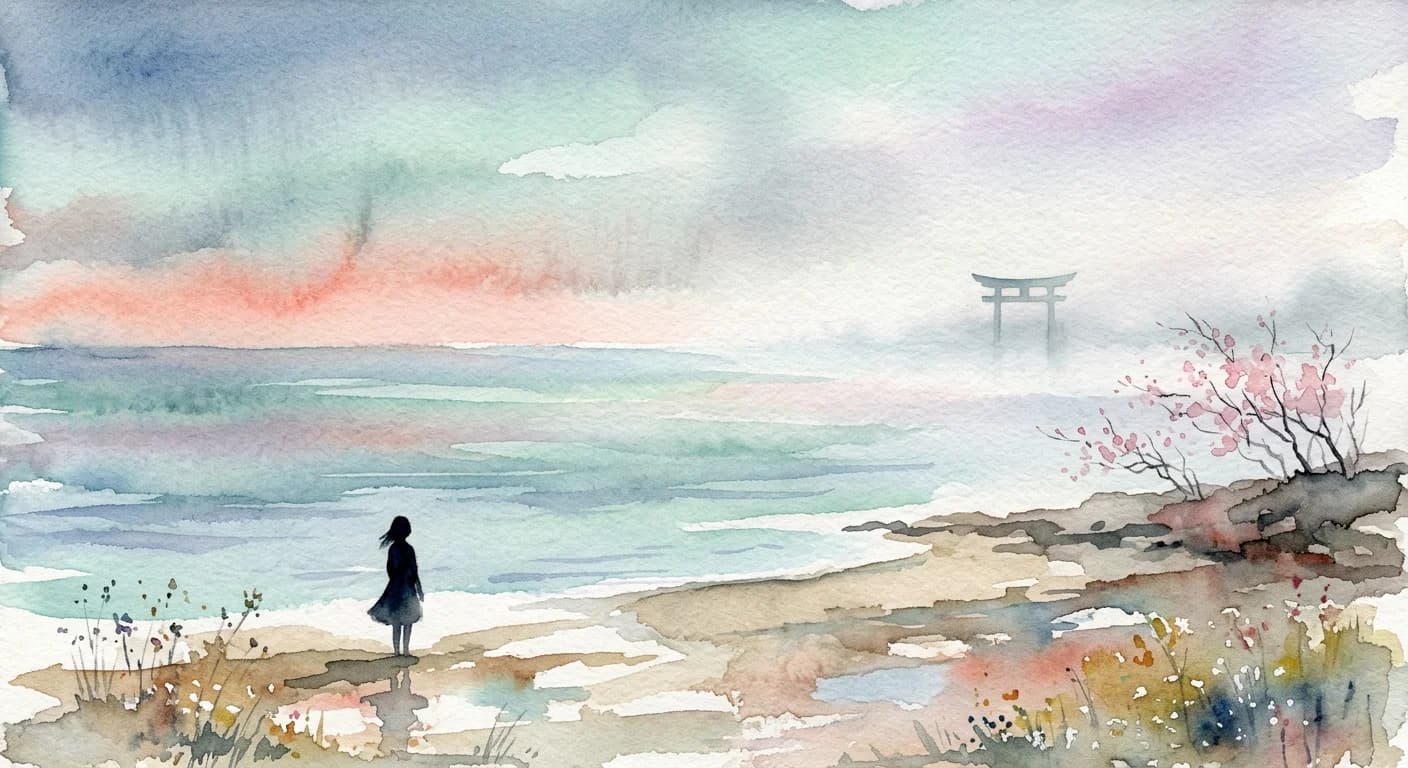
    Artistic representation of Harawata
    Japanese•
    🇯🇵Japan

    Harawata

    /HAH-rah-WAH-tah/

    Meaning

    Harawata encapsulates the visceral, almost spiritual communion one feels when gazing upon the boundless ocean, especially where its vastness merges with the distant horizon. It's more than mere aesthetic appreciation; it's a profound internal resonance, a humbling surrender to nature's immense and mysterious power. This deep connection evokes a unique blend of tranquil wonder and contemplative awe, fostering a sense of interconnectedness with the infinite.

    Literal Translation

    This term does not have a direct literal translation and is more of a conceptual descriptor.

    The Story Behind the Word

    The existence of "Harawata" in Japanese culture stems from Japan's profound historical and geographical relationship with the sea. As an island nation, the ocean has shaped every aspect of life – from sustenance and defense to spiritual beliefs and artistic expression. Shintoism, Japan's indigenous religion, emphasizes the sacredness of nature, and the vast, powerful ocean often features as a kami (deity or spirit). This perspective fosters a deep respect and reverence for natural forces rather than a desire to conquer them. "Harawata" thus reflects a worldview where humanity is inextricably linked to, and humbly situated within, the grandeur of the natural world, particularly the ocean, seen as both a source of life and an embodiment of the sublime.

    Experience It

    Sunrise Over the Pacific

    Standing on the cliff edge as dawn broke, the endless Pacific stretched before her, painted in hues of orange and purple. A profound silence settled, and she felt the harawata, a deep sense of belonging and insignificance all at once, as the world awakened around the vast, breathing sea.

    Fisherman's Contemplation

    After a long day at sea, the old fisherman sat on the pier, watching the waves roll in under the moonlight. The rhythmic ebb and flow, the sheer scale of the water, stirred the harawata within him, connecting him to generations past who had also sought solace and wisdom from the ocean's embrace.

    The Deeper Meaning

    This term reveals a distinctly Japanese philosophical stance of harmonious coexistence with nature, rather than dominion over it. It underscores the concept of 'mono no aware' (the pathos of things) and 'yugen' (a profound, mysterious sense of the beauty of the universe), where transient beauty and immense power evoke a deep emotional response and a recognition of one's place in the cosmic order.

    Did You Know?

    While "harawata" literally translates to 'guts' or 'intestines' in some contexts, its use for this oceanic feeling highlights how deeply and viscerally this connection is felt within the body.

    How It's Used

    This term is used to describe the specific emotional and psychological state experienced when contemplating the ocean, especially from a coastal vantage point.

    Emotions
    melancholy,peace,serenity,wonder
    Contexts
    nature,seasons,solitude
    🇯🇵Japan

    by Annelise Dubois·Written Mar 14, 2026·Updated Apr 3, 2026

    Related Words

    Explore more
    SaudadePortuguese

    Saudade encapsulates a profound, melancholic longing for something or someone cherished that is absent, often with the bittersweet knowledge that it may never return. It's a deep emotional state tinged with nostalgia, evoking a sense of loss for past experiences, places, or people, yet also holding a tender appreciation for the beauty of what once was. This yearning is not merely sadness, but a complex tapestry of desire, memory, and a poignant acceptance of absence, holding the beloved in a warm, persistent embrace within the heart.

    Dolce far nienteItalian

    Dolce far niente captures the profound joy and effortless pleasure derived from simply existing without obligation or purpose. It's the art of savoring moments of pure, unadulterated idleness – lying in the sun, watching the clouds drift, or enjoying a leisurely coffee – not as a break from work, but as a valuable state in itself. This 'sweetness of doing nothing' is a conscious embrace of stillness and contentment, allowing the soul to breathe and the senses to fully engage with the present.

    Wabi-sabiJapanese

    Wabi-sabi is the profound appreciation for the ephemeral, the imperfect, and the incomplete aspects of existence. It is about discovering beauty in the subtle textures of age, the unique character of flaws, and the gentle decay that marks the passage of time. This philosophy encourages a quiet acceptance of impermanence and a mindful connection to the natural world, finding elegance in simplicity and authenticity.

    IkigaiJapanese

    Ikigai is more than just a reason to get out of bed; it's a deeply personal and evolving sense of purpose that brings genuine fulfillment and joy to one's life. It represents the sweet spot where your passions, talents, needs of the world, and what you can be paid for beautifully converge. Discovering your ikigai often leads to a life lived with intentionality, resilience, and a profound connection to one's contributions. It's the intrinsic motivation that fuels a meaningful existence, regardless of external circumstances.