U.
HomeRegionsLanguagesEmotionsCollections
Find Your Word

“The limits of my language mean the limits of my world.”

— Ludwig Wittgenstein, Philosopher

Untranslatable

A curated collection of the world's most beautiful expressions—words that remind us language is humanity's greatest invention.

  • Home
  • Collections
  • Regions
  • Countries
  • Emotions
  • Tags
  • Contexts
  • Finder
  • Europe
  • Asia
  • Americas
  • Africa
  • Middle East
  • About
  • Contact
  • Privacy Policy
  • Terms of Service

2026 © Untranslatable. All rights reserved.

    /
    /
    1. Home
    2. /
    3. Asia
    4. /
    5. Nagomi
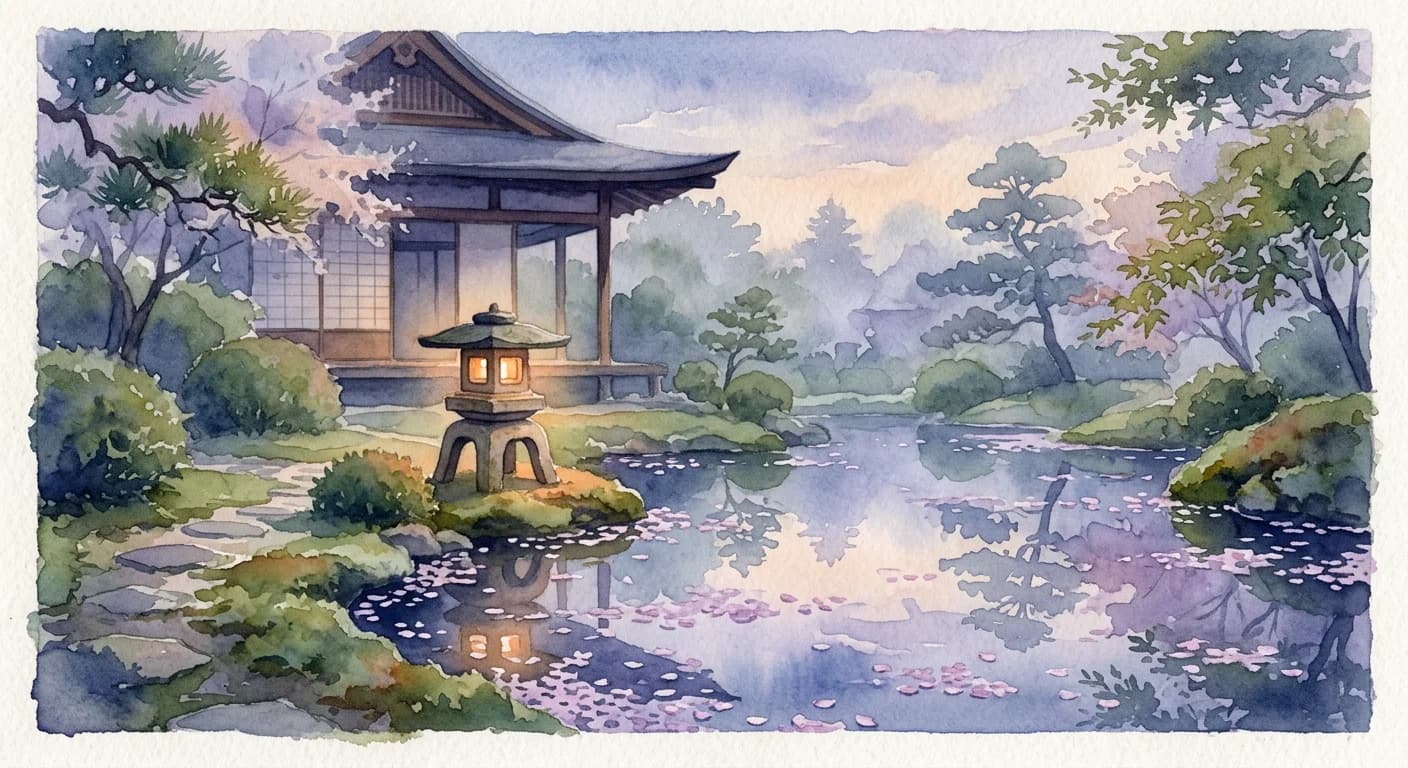
    Artistic representation of Nagomi
    Japanese•
    🇯🇵Japan

    Nagomi

    /nah-GOH-mee/

    Meaning

    Nagomi transcends mere relaxation, embodying a profound sense of gentle calm, equilibrium, and harmonious integration with one's surroundings and inner self. It's a subtle, deeply satisfying feeling of being perfectly at ease, often cultivated through appreciating simple, everyday comforts and meaningful connections. This state encourages a mindful immersion in the present moment, fostering a quiet, unpretentious contentment that gracefully resists the relentless rush of modern life. It signifies a belonging where everything feels intrinsically right, a serene balance achieved without overt effort.

    Literal Translation

    harmony, calm, balance

    The Story Behind the Word

    The concept of nagomi is deeply rooted in Japan's aesthetic and philosophical traditions, particularly influenced by Shintoism's reverence for nature and the interconnectedness of all things, and Buddhism's emphasis on mindfulness and inner peace. It reflects a cultural predisposition towards finding beauty and balance in imperfection (wabi-sabi) and appreciating the transient nature of existence. This word exists because Japanese culture highly values social harmony (wa) and personal tranquility, seeing them as essential for a well-ordered society and a fulfilling individual life. It reveals a worldview that prioritizes subtle emotional states, communal well-being, and a gentle, accepting approach to life's rhythms, rather than aggressive striving or overt display.

    Experience It

    Evening Tea Nagomi

    After a long day, a woman sips green tea in her quiet living room. The soft glow of a lantern, the gentle warmth of the ceramic cup in her hands, and the subtle fragrance of the tea create a perfect moment of nagomi, washing away the day's stresses.

    Garden Nagomi

    An old man tends to his small, meticulously arranged garden. The rustling leaves, the earthy scent, and the simple act of pruning bring him a profound sense of nagomi, a feeling of being completely at one with nature and his task.

    The Deeper Meaning

    Nagomi embodies a philosophy of quiet presence and acceptance, suggesting that true well-being isn't found in grand achievements but in the harmonious integration of self with the immediate environment. It encourages a shift from external validation to internal equilibrium, emphasizing the beauty and sufficiency of the present moment. This reflects a worldview where balance and subtle harmony are considered the highest forms of aesthetic and emotional experience, guiding one towards a life of gentle contentment.

    Did You Know?

    Nagomi is often associated with traditional Japanese arts like ikebana (flower arranging) and sado (tea ceremony), where the pursuit of balance and understated beauty cultivates this very feeling.

    How It's Used

    Used to describe a feeling of well-being, a state of balance, or a harmonious atmosphere. It can refer to a person's inner peace or the pleasant ambiance of a place or gathering.

    Emotions
    belonging,comfort,contentment,peace,serenity
    Contexts
    dining,family,friendship,relaxation
    🇯🇵Japan

    by Annelise Dubois·Written Mar 14, 2026·Updated Apr 3, 2026

    Related Words

    Explore more
    HyggeDanish

    Hygge is more than mere coziness; it's a holistic embrace of comfort, warmth, and belonging that nourishes the soul. It describes the intentional creation of an intimate atmosphere where simple pleasures, genuine connection, and mindful presence converge, fostering a profound sense of contentment and well-being. It's about finding joy and peace in the small, everyday moments, often shared with loved ones.

    Dolce far nienteItalian

    Dolce far niente captures the profound joy and effortless pleasure derived from simply existing without obligation or purpose. It's the art of savoring moments of pure, unadulterated idleness – lying in the sun, watching the clouds drift, or enjoying a leisurely coffee – not as a break from work, but as a valuable state in itself. This 'sweetness of doing nothing' is a conscious embrace of stillness and contentment, allowing the soul to breathe and the senses to fully engage with the present.

    SobremesaSpanish

    Sobremesa is the cherished, often extended period immediately following a meal, particularly lunch or dinner, where diners remain seated at the table to enjoy conversation, coffee, and digest not just the food, but the company itself. It’s a dedicated time for unhurried social bonding, storytelling, and shared laughter, transforming a simple meal into a profound communal experience. Far from just clearing the dishes, sobremesa is an integral part of Spanish social life, often lasting for hours.

    Wabi-sabiJapanese

    Wabi-sabi is the profound appreciation for the ephemeral, the imperfect, and the incomplete aspects of existence. It is about discovering beauty in the subtle textures of age, the unique character of flaws, and the gentle decay that marks the passage of time. This philosophy encourages a quiet acceptance of impermanence and a mindful connection to the natural world, finding elegance in simplicity and authenticity.