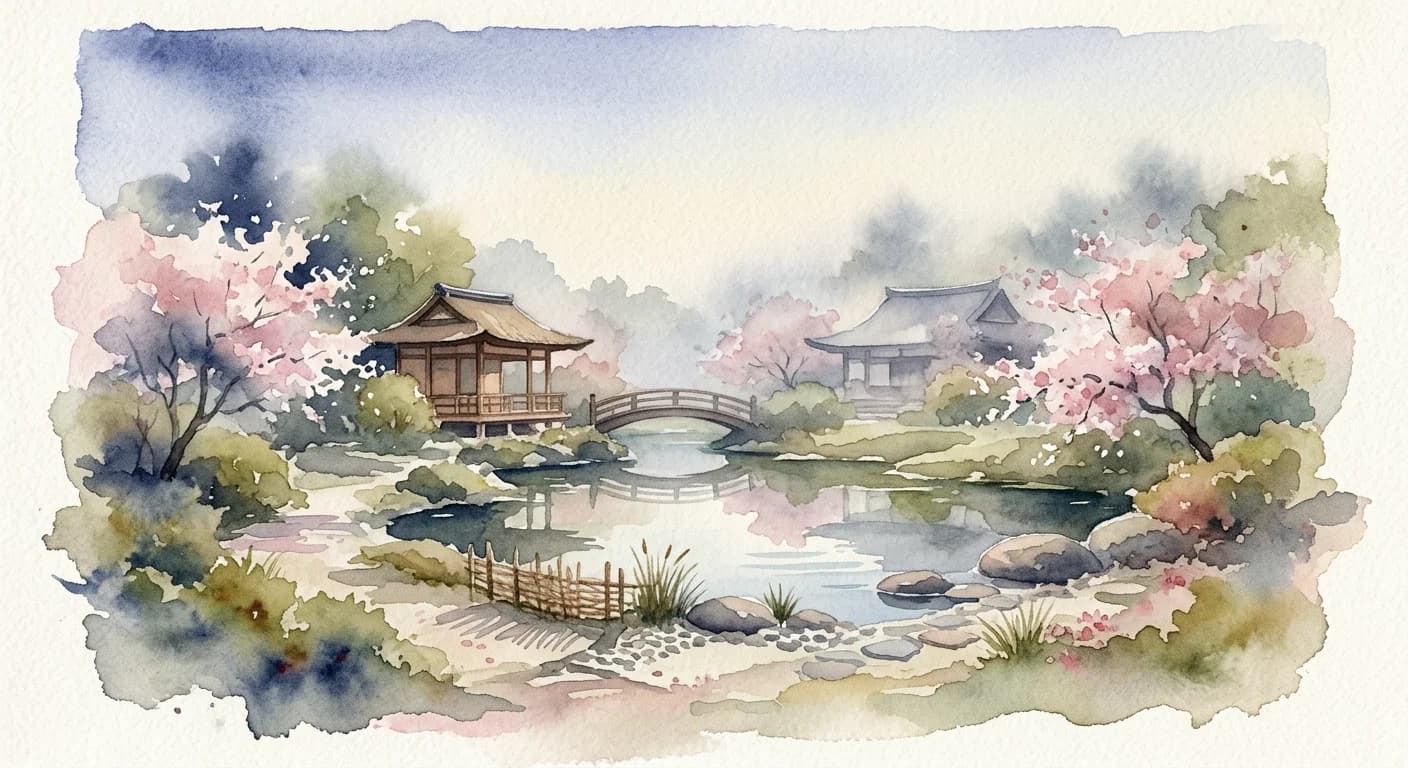
Nemmawashi
/NEM-mah-wah-shee/
Meaning
Nenmawashi is the subtle art of cultivating consensus and preparing the ground before any formal decision-making in Japanese business and social spheres. Like carefully tending to a tree's roots, it involves discreet, informal consultations with key stakeholders, gathering their input, addressing concerns, and securing buy-in behind the scenes. This meticulous groundwork ensures that when a proposal is officially presented, it flows smoothly, having already absorbed potential objections and garnered widespread, albeit often unspoken, support. It's a testament to the value placed on harmony, collective responsibility, and avoiding direct confrontation.
Literal Translation
Root-binding (根回し)
The Story Behind the Word
The existence of "Nenmawashi" is deeply rooted in Japan's cultural emphasis on group harmony (wa), indirect communication, and long-term relationships. Historically, in a society where direct refusal or disagreement could lead to loss of face (mentsu) for either party and disrupt the collective, a system evolved to pre-empt such situations. This practice reflects a worldview where decisions are not top-down decrees but rather organic outcomes of a shared understanding, meticulously nurtured through informal channels. It reveals a society that values process as much as outcome, believing that a well-prepared foundation leads to more stable and accepted decisions. The agricultural metaphor of 'root-binding' itself speaks to a patient, holistic approach to growth and stability, mirroring the careful cultivation of social and professional relationships.
Experience It
New Project Approval
Before the quarterly board meeting, Mr. Tanaka spent weeks having one-on-one lunches and casual chats with department heads. He subtly introduced his innovative project idea, listened to their initial reactions, incorporated their suggestions, and addressed potential budget concerns. By the time the project was formally presented, it sailed through with unanimous approval, appearing as if everyone had been on board from the start.
Office Relocation Discussion
The HR manager, Ms. Sato, knew the decision to relocate the office would be sensitive. Instead of announcing it directly, she first spoke individually with team leaders and long-term employees, explaining the benefits, acknowledging potential inconveniences, and gathering their feedback. This pre-discussion ensured that when the official announcement was made, the workforce was already largely prepared and understanding, minimizing resistance and fostering a smoother transition.
The Deeper Meaning
Nenmawashi embodies a profound philosophy of collective responsibility and the pursuit of harmonious outcomes over individual triumph. It suggests that true leadership isn't about issuing directives, but about skillfully weaving a tapestry of shared understanding and consent. This practice prioritizes the long-term stability and cohesion of the group, reflecting a deep-seated belief that well-prepared, collectively-owned decisions are inherently more resilient and effective than those imposed from above.
Did You Know?
The term "Nenmawashi" literally translates to "root-binding," a horticultural technique used to prepare a tree for transplanting by carefully pruning and binding its roots to encourage new growth and ensure a successful move.
How It's Used
Used primarily in business and organizational settings in Japan to describe the informal process of consulting stakeholders and building consensus before a formal meeting or decision.