Pleyt
/PLAYT/
Meaning
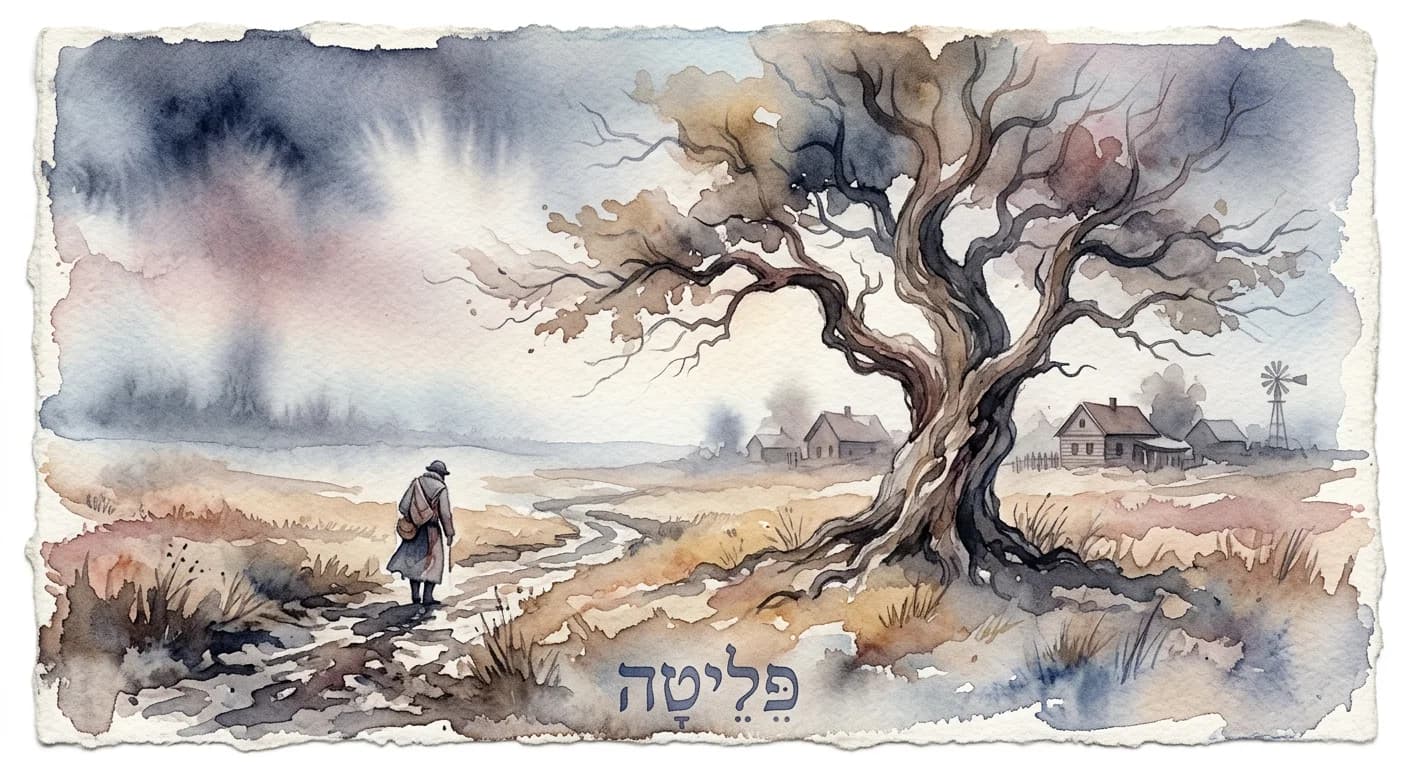
A "pleyt" transcends a mere song; it is a poignant Yiddish melody, often steeped in melancholy or tender sentimentality, that serves as a living chronicle of Ashkenazi Jewish life. These lyrical narratives weave tales of everyday struggles, profound love, aching loss, and an enduring yearning for a homeland, both literal and spiritual. More than just notes and words, a pleyt is a vessel for collective memory and emotion, preserving a rich cultural heritage and an untranslatable emotional landscape, typically shared in intimate gatherings or communal celebrations.
Literal Translation
Song, tune
The Story Behind the Word
The word "pleyt" emerged from the crucible of Eastern European Jewish life, a world marked by both vibrant community and persistent precarity. In a culture where formal institutions were often fleeting, oral traditions like the pleyt became vital conduits for transmitting history, values, and emotional experiences across generations. It reflects a worldview that embraced both joy and sorrow as intrinsic parts of existence, finding beauty and meaning even in hardship. The pleyt often served as a communal emotional outlet, allowing individuals to process shared traumas, celebrate resilience, and maintain a spiritual connection to their past and their people, particularly poignant for immigrants in America longing for the "old country."
Experience It
A Grandmother's Lullaby
Sarah sat by her granddaughter's bedside, humming a soft pleyt her own bubbe used to sing. The melody, brimming with a gentle sadness and hope, spoke of journeys and resilience, weaving a thread of family history through the quiet night, connecting generations across continents.
Klezmer Band's Lament
At a community gathering, the klezmer band struck up a familiar pleyt. The clarinet wailed a soulful tune, evoking tears from some of the older attendees who remembered their parents singing it, while younger generations listened, feeling the weight and beauty of their shared heritage.
The Deeper Meaning
The pleyt embodies a philosophy of emotional resilience and the power of memory. It suggests that even in displacement or sorrow, there is profound strength in collective storytelling and shared lament. It affirms that culture is not just preserved in texts, but lives and breathes through the very act of singing and remembering, turning personal experience into communal solace and enduring heritage.
Did You Know?
Many pleytn were originally performed without written music, passed down orally, allowing for subtle variations and personal interpretations that imbued each rendition with unique emotional depth.
How It's Used
Used to refer to a specific genre of Yiddish folk song or ballad.