U.
HomeRegionsLanguagesEmotionsCollections
Find Your Word

“The limits of my language mean the limits of my world.”

— Ludwig Wittgenstein, Philosopher

Untranslatable

A curated collection of the world's most beautiful expressions—words that remind us language is humanity's greatest invention.

  • Home
  • Collections
  • Regions
  • Countries
  • Emotions
  • Tags
  • Contexts
  • Finder
  • Europe
  • Asia
  • Americas
  • Africa
  • Middle East
  • About
  • Contact
  • Privacy Policy
  • Terms of Service

2026 © Untranslatable. All rights reserved.

    /
    /
    1. Home
    2. /
    3. Asia
    4. /
    5. Shikataganai
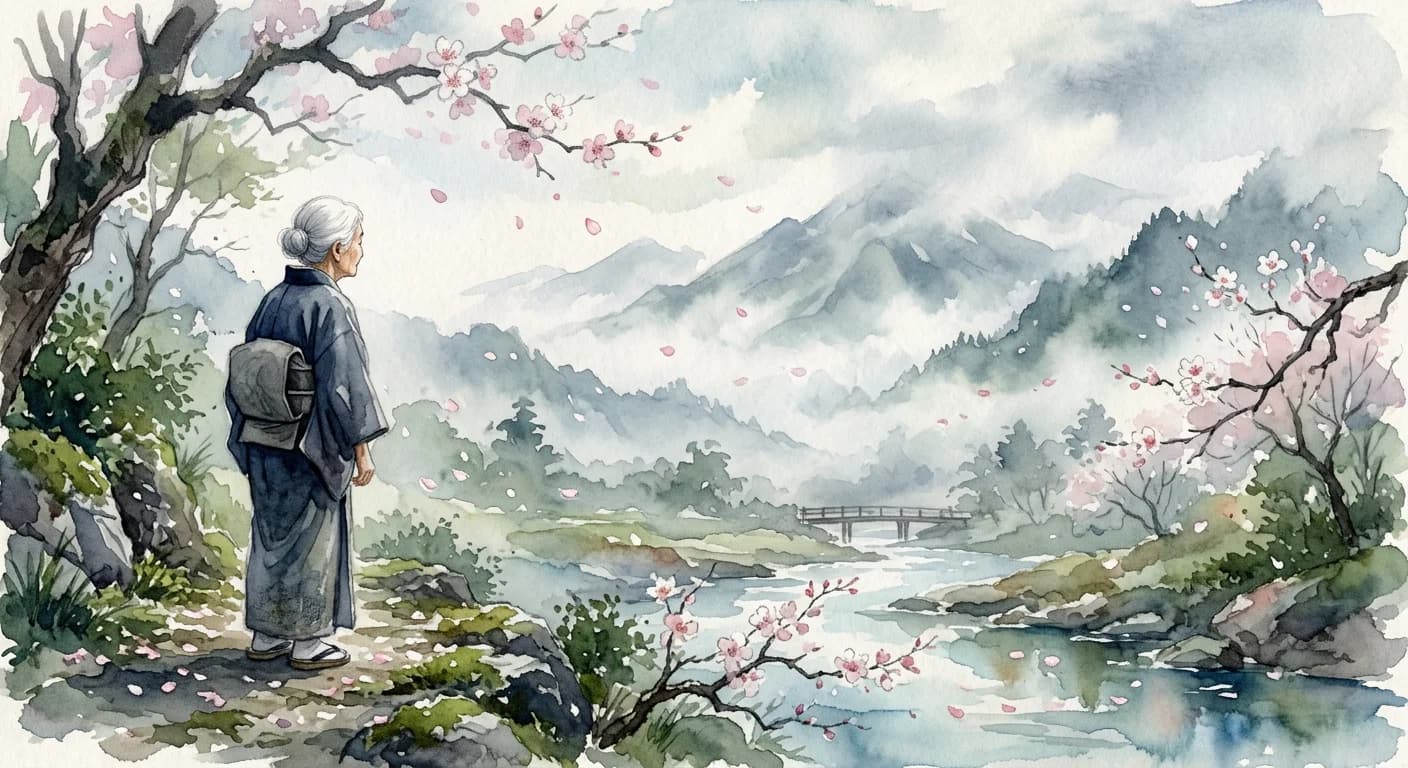
    Artistic representation of Shikataganai
    Japanese•
    🇯🇵Japan

    Shikataganai

    /SHEE-kah-tah-gah-nai/

    Meaning

    Shikataganai embodies a profound, almost spiritual, acceptance of life's unalterable currents. It's a philosophical anchor, acknowledging that while human effort is valuable, there are boundaries to our control. This concept isn't about passive surrender, but a proactive release of frustration, allowing one to pivot from what cannot be changed to what can, fostering an inner tranquility amidst life's inevitable setbacks. It empowers individuals to move forward with grace, unburdened by futile resistance or regret.

    Literal Translation

    It cannot be helped

    The Story Behind the Word

    The concept of shikataganai is deeply rooted in Japanese Buddhist philosophy and the historical experience of a nation frequently subjected to natural disasters like earthquakes and tsunamis. This constant confrontation with forces beyond human control fostered a collective mindset of resilience and acceptance. It reflects a cultural emphasis on harmony (wa) and endurance (gaman), where personal desires often yield to the greater good or the unyielding realities of existence. This worldview prioritizes adapting to circumstances rather than futilely fighting them, enabling psychological survival and societal cohesion in the face of adversity. It underscores a pragmatic approach to life, valuing inner peace over external control.

    Experience It

    Missed Opportunity

    After a grueling application process, Kenji didn't get his dream job. He felt a pang of disappointment, but after a moment, he sighed and thought, 'Shikataganai.' He then focused on refining his skills for the next opportunity, understanding some things are simply not meant to be, despite best efforts.

    Sudden Rainstorm

    A family picnic was meticulously planned, but an unexpected downpour ruined the outdoor fun. Instead of lamenting, the grandmother calmly suggested moving the festivities indoors. 'Shikataganai,' she murmured, reminding everyone that while the weather was beyond their control, their enjoyment wasn't.

    The Deeper Meaning

    Shikataganai represents a cornerstone of Japanese stoicism, revealing a worldview that values equanimity and adaptability over a relentless pursuit of control. It suggests that true strength lies not in overcoming every obstacle, but in wisely discerning what can be changed versus what must be accepted. This philosophy encourages a profound inner peace derived from aligning one's will with the flow of existence, rather than constantly battling against it.

    Did You Know?

    While often perceived as passive, shikataganai can be a powerful psychological tool, preventing burnout and fostering mental resilience by allowing individuals to disengage from unresolvable struggles.

    How It's Used

    Used to express acceptance of a situation that cannot be helped or changed, often in the face of hardship, bad luck, or unavoidable circumstances.

    Emotions
    acceptance,peace,serenity
    Contexts
    family,nature,seasons,work
    🇯🇵Japan

    by Annelise Dubois·Written Mar 14, 2026·Updated Apr 3, 2026

    Related Words

    Explore more
    Dolce far nienteItalian

    Dolce far niente captures the profound joy and effortless pleasure derived from simply existing without obligation or purpose. It's the art of savoring moments of pure, unadulterated idleness – lying in the sun, watching the clouds drift, or enjoying a leisurely coffee – not as a break from work, but as a valuable state in itself. This 'sweetness of doing nothing' is a conscious embrace of stillness and contentment, allowing the soul to breathe and the senses to fully engage with the present.

    Wabi-sabiJapanese

    Wabi-sabi is the profound appreciation for the ephemeral, the imperfect, and the incomplete aspects of existence. It is about discovering beauty in the subtle textures of age, the unique character of flaws, and the gentle decay that marks the passage of time. This philosophy encourages a quiet acceptance of impermanence and a mindful connection to the natural world, finding elegance in simplicity and authenticity.

    IkigaiJapanese

    Ikigai is more than just a reason to get out of bed; it's a deeply personal and evolving sense of purpose that brings genuine fulfillment and joy to one's life. It represents the sweet spot where your passions, talents, needs of the world, and what you can be paid for beautifully converge. Discovering your ikigai often leads to a life lived with intentionality, resilience, and a profound connection to one's contributions. It's the intrinsic motivation that fuels a meaningful existence, regardless of external circumstances.

    NunchiKorean

    Nunchi is the sophisticated, almost telepathic, ability to instantly grasp the unspoken dynamics of any social situation, anticipating others' thoughts and feelings, and then responding with impeccable grace and timing. It's an acute form of social intuition, allowing one to navigate complex interpersonal landscapes by reading subtle cues like body language, tone, and context. Possessing good nunchi means effortlessly understanding the underlying emotional currents and adjusting one's behavior to maintain harmony and effectiveness, often without a single word exchanged.