U.
HomeRegionsLanguagesEmotionsCollections
Find Your Word

“The limits of my language mean the limits of my world.”

— Ludwig Wittgenstein, Philosopher

Untranslatable

A curated collection of the world's most beautiful expressions—words that remind us language is humanity's greatest invention.

  • Home
  • Collections
  • Regions
  • Countries
  • Emotions
  • Tags
  • Contexts
  • Finder
  • Europe
  • Asia
  • Americas
  • Africa
  • Middle East
  • About
  • Contact
  • Privacy Policy
  • Terms of Service

2026 © Untranslatable. All rights reserved.

    /
    /
    1. Home
    2. /
    3. Asia
    4. /
    5. Tjilirra
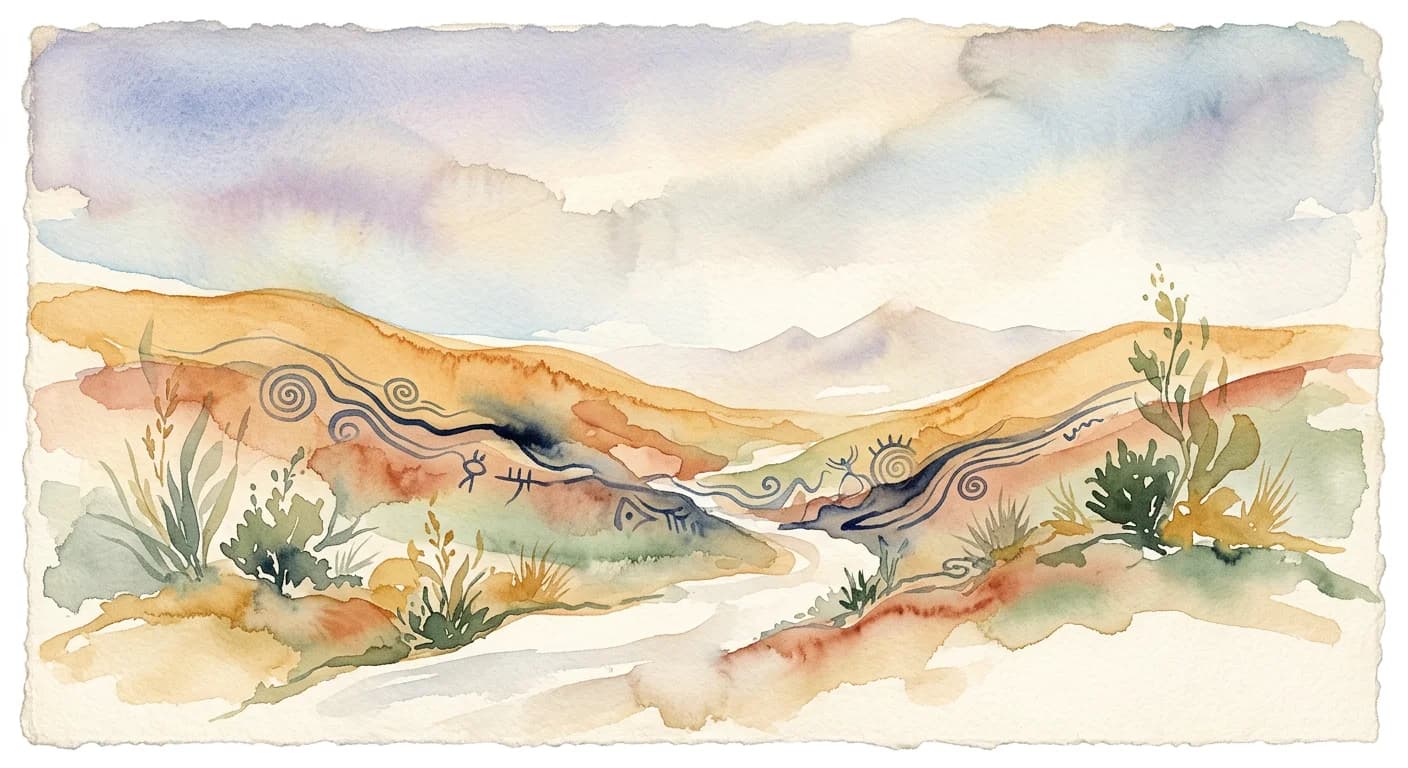
    Artistic representation of Tjilirra
    Pitjantjatjara•
    🇦🇺Australia

    Tjilirra

    /CHIL-irr-ah/

    Meaning

    Tjilirra encapsulates the profound, almost visceral sensation of an unbreakable spiritual and physical bond with one's ancestral lands. It signifies a deep belonging, where one's very essence is intertwined with the country's ancient landscapes, its sacred sites, and the Dreaming stories that animate every rock and waterhole. This intrinsic connection is not merely emotional but a foundational aspect of identity and well-being, implying a reciprocal relationship where the land sustains its people, and the people, in turn, are its custodians.

    Literal Translation

    Connection to land / Country

    The Story Behind the Word

    Tjilirra is fundamental to the Pitjantjatjara worldview, emerging from millennia of unbroken connection to country. It exists because Indigenous Australians perceive the land not as property or a resource, but as a living entity, an extension of self and kin. This concept underpins their entire social, spiritual, and legal frameworks, where responsibilities to care for country are inherited and paramount. It reveals a cosmology where ancestors, land, and living generations are in constant dialogue, a continuum of existence rooted in specific geographical locations. The word embodies the philosophy that identity is geographically anchored, and well-being is inseparable from the health and recognition of one's ancestral domain.

    Experience It

    Return to Ancestral Lands

    After years away, an Elder returns to her homelands. As her feet touch the red earth, a deep sense of peace washes over her, a feeling of Tjilirra, knowing she is precisely where she belongs, connected to generations past and future.

    Caring for Country

    A young Pitjantjatjara man participates in a cultural burn. As the smoke rises, he feels Tjilirra intensely, understanding his role in maintaining the health of the land, just as his ancestors did, ensuring its vitality for all.

    The Deeper Meaning

    Tjilirra reveals a philosophy of interconnectedness where human identity is not individualistic but communal and ecological. It posits that true selfhood is not found in isolation but through an intimate, reciprocal relationship with the natural world, demonstrating that land is not merely an environment but a sentient, spiritual being with whom humanity coexists and co-creates meaning.

    Did You Know?

    The feeling of Tjilirra is so integral that for many Indigenous Australians, being removed from ancestral lands can lead to a profound sense of loss, akin to losing a part of oneself.

    How It's Used

    Used within Pitjantjatjara communities to describe the spiritual and physical connection to ancestral lands.

    Emotions
    belonging,gratitude,peace,serenity
    Contexts
    family,nature,travel
    🇦🇺Australia

    by Anya Petrova·Written Mar 14, 2026·Updated Apr 3, 2026

    Related Words

    Explore more
    Dolce far nienteItalian

    Dolce far niente captures the profound joy and effortless pleasure derived from simply existing without obligation or purpose. It's the art of savoring moments of pure, unadulterated idleness – lying in the sun, watching the clouds drift, or enjoying a leisurely coffee – not as a break from work, but as a valuable state in itself. This 'sweetness of doing nothing' is a conscious embrace of stillness and contentment, allowing the soul to breathe and the senses to fully engage with the present.

    SobremesaSpanish

    Sobremesa is the cherished, often extended period immediately following a meal, particularly lunch or dinner, where diners remain seated at the table to enjoy conversation, coffee, and digest not just the food, but the company itself. It’s a dedicated time for unhurried social bonding, storytelling, and shared laughter, transforming a simple meal into a profound communal experience. Far from just clearing the dishes, sobremesa is an integral part of Spanish social life, often lasting for hours.

    Wabi-sabiJapanese

    Wabi-sabi is the profound appreciation for the ephemeral, the imperfect, and the incomplete aspects of existence. It is about discovering beauty in the subtle textures of age, the unique character of flaws, and the gentle decay that marks the passage of time. This philosophy encourages a quiet acceptance of impermanence and a mindful connection to the natural world, finding elegance in simplicity and authenticity.

    IkigaiJapanese

    Ikigai is more than just a reason to get out of bed; it's a deeply personal and evolving sense of purpose that brings genuine fulfillment and joy to one's life. It represents the sweet spot where your passions, talents, needs of the world, and what you can be paid for beautifully converge. Discovering your ikigai often leads to a life lived with intentionality, resilience, and a profound connection to one's contributions. It's the intrinsic motivation that fuels a meaningful existence, regardless of external circumstances.