U.
HomeRegionsLanguagesEmotionsCollections
Find Your Word

“The limits of my language mean the limits of my world.”

— Ludwig Wittgenstein, Philosopher

Untranslatable

A curated collection of the world's most beautiful expressions—words that remind us language is humanity's greatest invention.

  • Home
  • Collections
  • Regions
  • Countries
  • Emotions
  • Tags
  • Contexts
  • Finder
  • Europe
  • Asia
  • Americas
  • Africa
  • Middle East
  • About
  • Contact
  • Privacy Policy
  • Terms of Service

2026 © Untranslatable. All rights reserved.

    /
    /
    1. Home
    2. /
    3. Asia
    4. /
    5. Amadare
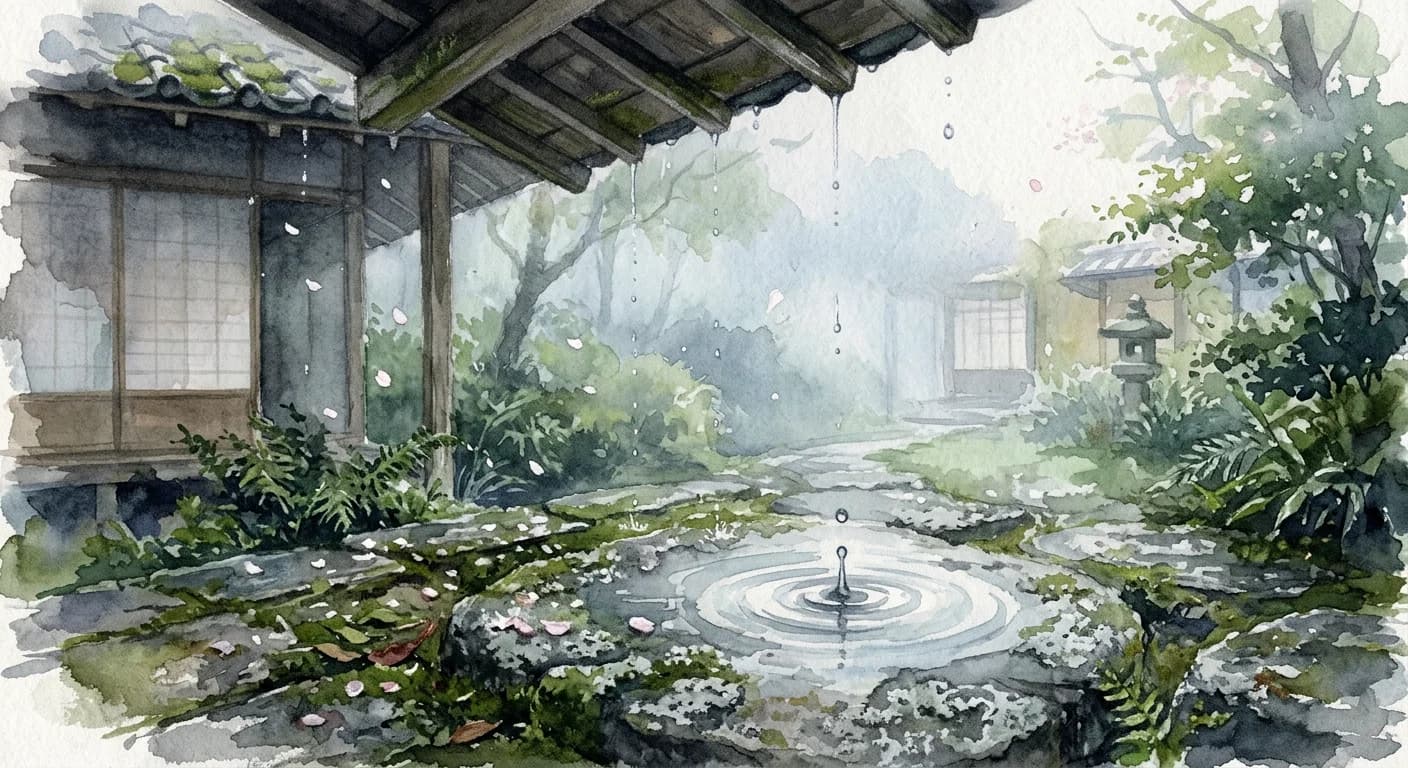
    Artistic representation of Amadare
    Japanese•
    🇯🇵Japan

    Amadare

    /AH-mah-dah-reh/

    Meaning

    Amadare captures the specific, often fleeting, sensation of raindrops falling from the eaves of a building, particularly a traditional Japanese house. It evokes a gentle, almost meditative sound and visual of water droplets creating ripples or splashing onto the ground below. This word is deeply connected to the appreciation of subtle natural phenomena and the quiet moments of observation, often experienced during or after a rain shower, highlighting a cultural sensitivity to the nuances of weather and its impact on the environment.

    Literal Translation

    Rain from eaves

    How It's Used

    This word is used to describe the phenomenon of raindrops falling from the eaves of a house or temple, often during or after a rain shower. It's a term used in literature, poetry, and everyday conversation when appreciating the subtle sounds and sights of nature.

    Emotions
    melancholy,peace,serenity,wonder
    Contexts
    nature,relaxation,seasons,weather
    🇯🇵Japan

    by Sofia Rossi·Written Mar 14, 2026·Updated Apr 3, 2026

    Related Words

    Explore more
    SaudadePortuguese

    Saudade encapsulates a profound, melancholic longing for something or someone cherished that is absent, often with the bittersweet knowledge that it may never return. It's a deep emotional state tinged with nostalgia, evoking a sense of loss for past experiences, places, or people, yet also holding a tender appreciation for the beauty of what once was. This yearning is not merely sadness, but a complex tapestry of desire, memory, and a poignant acceptance of absence, holding the beloved in a warm, persistent embrace within the heart.

    Dolce far nienteItalian

    Dolce far niente captures the profound joy and effortless pleasure derived from simply existing without obligation or purpose. It's the art of savoring moments of pure, unadulterated idleness – lying in the sun, watching the clouds drift, or enjoying a leisurely coffee – not as a break from work, but as a valuable state in itself. This 'sweetness of doing nothing' is a conscious embrace of stillness and contentment, allowing the soul to breathe and the senses to fully engage with the present.

    Wabi-sabiJapanese

    Wabi-sabi is the profound appreciation for the ephemeral, the imperfect, and the incomplete aspects of existence. It is about discovering beauty in the subtle textures of age, the unique character of flaws, and the gentle decay that marks the passage of time. This philosophy encourages a quiet acceptance of impermanence and a mindful connection to the natural world, finding elegance in simplicity and authenticity.

    IkigaiJapanese

    Ikigai is more than just a reason to get out of bed; it's a deeply personal and evolving sense of purpose that brings genuine fulfillment and joy to one's life. It represents the sweet spot where your passions, talents, needs of the world, and what you can be paid for beautifully converge. Discovering your ikigai often leads to a life lived with intentionality, resilience, and a profound connection to one's contributions. It's the intrinsic motivation that fuels a meaningful existence, regardless of external circumstances.