U.
HomeRegionsLanguagesEmotionsCollections
Find Your Word

“The limits of my language mean the limits of my world.”

— Ludwig Wittgenstein, Philosopher

Untranslatable

A curated collection of the world's most beautiful expressions—words that remind us language is humanity's greatest invention.

  • Home
  • Collections
  • Regions
  • Countries
  • Emotions
  • Tags
  • Contexts
  • Finder
  • Europe
  • Asia
  • Americas
  • Africa
  • Middle East
  • About
  • Contact
  • Privacy Policy
  • Terms of Service

2026 © Untranslatable. All rights reserved.

    /
    /
    1. Home
    2. /
    3. Asia
    4. /
    5. Bodhicitta
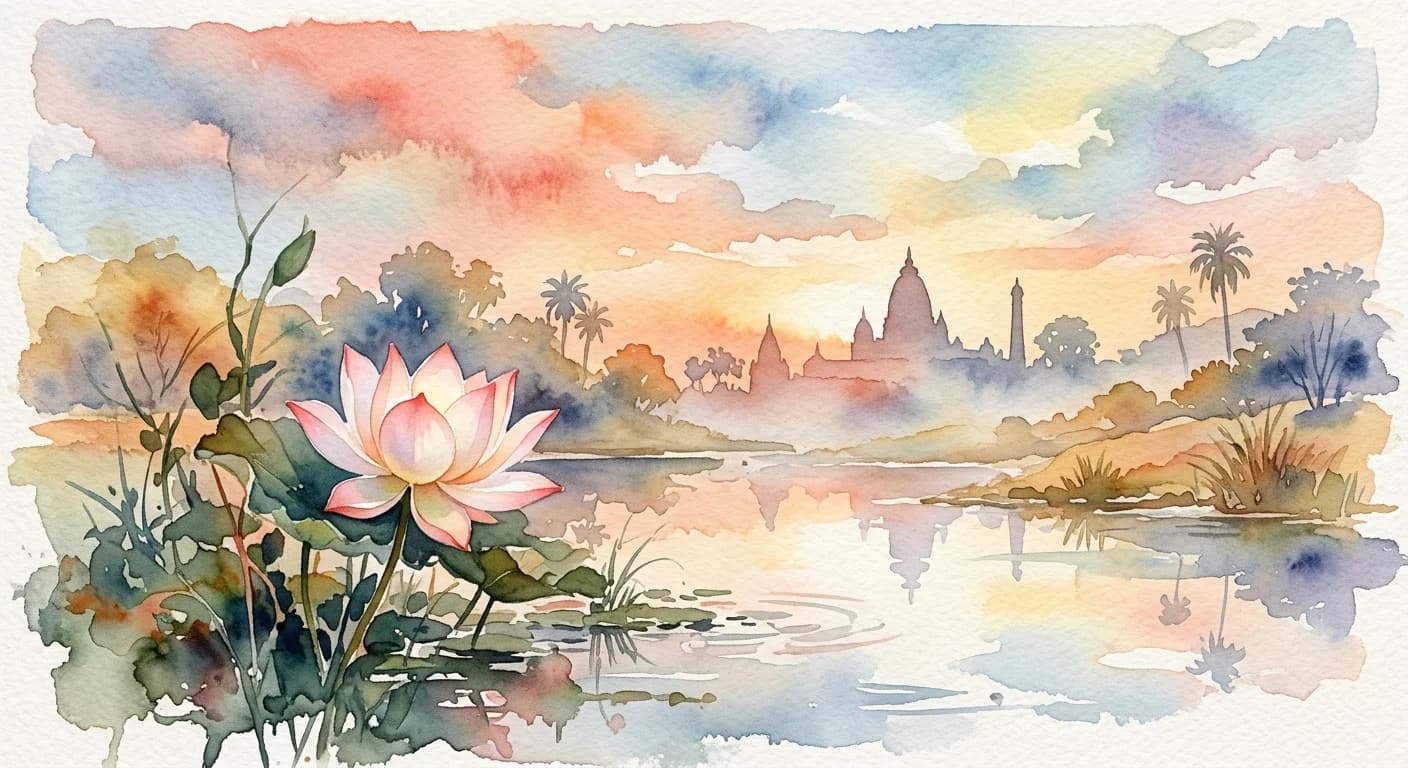
    Artistic representation of Bodhicitta
    Sanskrit•
    🇧🇹Bhutan🇨🇳China🇮🇳India🇯🇵Japan🇳🇵Nepal

    Bodhicitta

    /boh-dee-CHIT-tah/

    Meaning

    Bodhicitta is the profound, awakened heart-mind within Mahayana Buddhism, representing the spontaneous, compassionate wish to achieve full enlightenment for the benefit of all sentient beings. It's not merely an intellectual aspiration but a deeply felt, altruistic intention that fuels every spiritual endeavor. This transformative motivation unites profound wisdom, understanding the interconnectedness of all existence, with boundless compassion, an unwavering commitment to alleviate suffering across all realms. It is the very essence of the Bodhisattva path, a sacred vow to postpone one's own final liberation until all others are free.

    Literal Translation

    awakened mind

    The Story Behind the Word

    Bodhicitta is the cornerstone of Mahayana Buddhism, a branch that emerged in India around the 1st century BCE and spread across Asia. Unlike earlier forms of Buddhism that sometimes emphasized individual liberation (Arhatship), Mahayana (meaning 'Great Vehicle') champions the Bodhisattva ideal, where one vows to save all beings first. This concept reflects a profound cultural shift towards universal altruism and interconnectedness. It reveals a worldview where personal salvation is intrinsically linked to the well-being of the collective, emphasizing that true awakening is incomplete if others are left to suffer. The flourishing of Bodhicitta in Indian thought underscores a deep-seated philosophical tradition of compassion (karuna) and selfless action (karma yoga), elevating empathetic engagement with the world as the highest spiritual pursuit.

    Experience It

    The Aspiring Monk's Vow

    A young monk, meditating in a secluded cave, feels a surge of Bodhicitta. He realizes his practice isn't just for his own peace, but a commitment to develop the wisdom and compassion needed to guide countless others through their suffering, vowing to dedicate his life to this monumental task.

    Aiding a Stricken Community

    Witnessing a community ravaged by famine, a practitioner imbued with Bodhicitta doesn't just offer immediate aid. They dedicate themselves to understanding the root causes of suffering, aspiring to cultivate the inner qualities that could lead to systemic, lasting relief for all similar communities in the future.

    The Deeper Meaning

    Bodhicitta reveals a philosophy where individual liberation is inseparable from universal welfare. It challenges ego-centric notions of spiritual progress, positing that true wisdom blossoms only when motivated by boundless compassion for all beings. This concept underpins a radical interconnectedness, suggesting that no one is truly free until all are free, fundamentally reshaping the purpose and practice of spiritual development.

    Did You Know?

    The Dalai Lama often refers to Bodhicitta as the 'warm heart' of Buddhism, emphasizing its emotional and altruistic core over purely intellectual understanding.

    How It's Used

    Used in Buddhist philosophy and practice to describe the motivation for seeking enlightenment and the practice of compassion.

    Emotions
    compassion,gratitude,hope,serenity
    Contexts
    meditation,philosophy,spirituality
    🇧🇹Bhutan🇨🇳China🇮🇳India🇯🇵Japan🇳🇵Nepal

    by Dr. Kenji Tanaka·Written Mar 14, 2026·Updated Apr 3, 2026

    Related Words

    Explore more
    Wabi-sabiJapanese

    Wabi-sabi is the profound appreciation for the ephemeral, the imperfect, and the incomplete aspects of existence. It is about discovering beauty in the subtle textures of age, the unique character of flaws, and the gentle decay that marks the passage of time. This philosophy encourages a quiet acceptance of impermanence and a mindful connection to the natural world, finding elegance in simplicity and authenticity.

    IkigaiJapanese

    Ikigai is more than just a reason to get out of bed; it's a deeply personal and evolving sense of purpose that brings genuine fulfillment and joy to one's life. It represents the sweet spot where your passions, talents, needs of the world, and what you can be paid for beautifully converge. Discovering your ikigai often leads to a life lived with intentionality, resilience, and a profound connection to one's contributions. It's the intrinsic motivation that fuels a meaningful existence, regardless of external circumstances.

    NunchiKorean

    Nunchi is the sophisticated, almost telepathic, ability to instantly grasp the unspoken dynamics of any social situation, anticipating others' thoughts and feelings, and then responding with impeccable grace and timing. It's an acute form of social intuition, allowing one to navigate complex interpersonal landscapes by reading subtle cues like body language, tone, and context. Possessing good nunchi means effortlessly understanding the underlying emotional currents and adjusting one's behavior to maintain harmony and effectiveness, often without a single word exchanged.

    JugaadHindi

    Jugaad is more than just a quick fix; it embodies the spirit of resourceful, ingenious improvisation in the face of scarcity or systemic challenges. It's the art of bending rules, repurposing materials, and thinking outside the box to achieve a desired outcome, often with limited financial or technological resources. This approach celebrates clever workarounds and innovative adaptations, turning constraints into catalysts for creative problem-solving. It's about making do and making something work, brilliantly.

    Featured in 1 collection

    🎌Japanese Philosophy