Fukinsei
/foo-keen-say/
Meaning
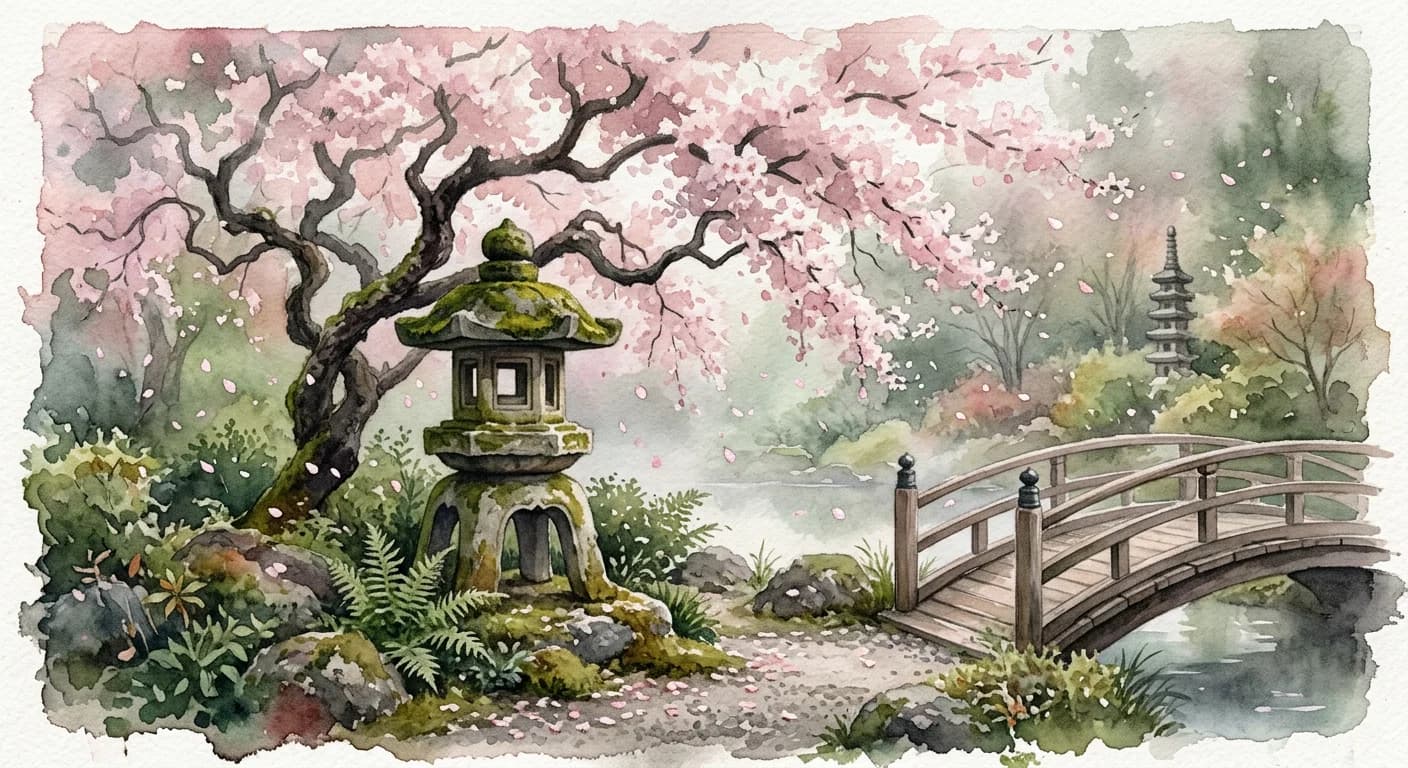
Fukinsei embodies the Japanese aesthetic principle that finds profound beauty in asymmetry, imbalance, and irregularity, consciously rejecting rigid perfection. It celebrates the unique charm of the imperfect, the unfinished, and the naturally evolved, encouraging an appreciation for the organic flow and dynamic tension inherent in existence. This concept suggests that true beauty often emerges from subtle imperfections and the dynamic interplay of elements, making an object or scene feel more alive and authentic than a perfectly symmetrical counterpart. It's an invitation to perceive the inherent beauty in the world's natural, unforced state.
Literal Translation
asymmetry, imbalance, irregularity
The Story Behind the Word
Fukinsei is deeply rooted in Zen Buddhist philosophy, particularly its emphasis on impermanence (mujō) and the acceptance of nature's cycles. Unlike Western ideals that often equate beauty with perfect geometric symmetry, Japanese aesthetics, influenced by Zen, found profundity in the transient and the unassuming. This principle evolved from a desire to reflect the natural world's inherent irregularities and the belief that absolute perfection is static and lifeless, whereas asymmetry denotes movement, change, and life. It reveals a cultural worldview that values humility, authenticity, and a deep connection to nature, seeing beauty not in what is controlled or complete, but in what is evolving and unique, thus fostering a profound appreciation for the wabi-sabi aesthetic.
Experience It
Zen Garden Arrangement
A landscape architect carefully places a cluster of three stones in a raked gravel garden. They are not perfectly aligned or identical in size, their arrangement subtly off-center, creating a sense of natural flow and quiet contemplation, embodying fukinsei.
Hand-Thrown Pottery
A tea master admires a newly crafted chawan (tea bowl). Its lip is slightly uneven, the glaze drips imperfectly down one side, and the foot is not perfectly round. These subtle irregularities, far from flaws, give the bowl a unique character and warmth, reflecting fukinsei.
The Deeper Meaning
Fukinsei reveals a profound philosophical stance that beauty is not an absolute, static ideal, but a dynamic, evolving quality found in the embrace of impermanence and natural processes. It encourages a shift from seeking human-imposed perfection to appreciating the inherent, often flawed, beauty of the organic world. This worldview fosters a sense of acceptance and humility, recognizing that true vitality lies in the unique imperfections that make something authentic and alive.
Did You Know?
Many traditional Japanese gardens deliberately incorporate fukinsei by avoiding straight lines and perfectly symmetrical layouts, creating a more natural and dynamic landscape that invites exploration.
How It's Used
Fukinsei is used in discussions about aesthetics, art, design, and philosophy, particularly within Japanese culture. It's applied to describe anything from a painting or a garden arrangement to the way an object has aged or developed naturally over time.